

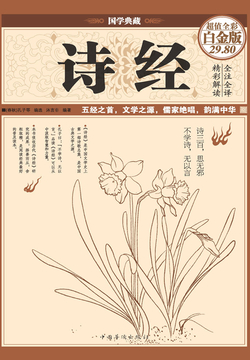
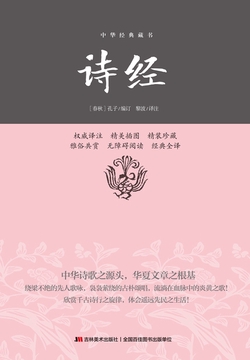
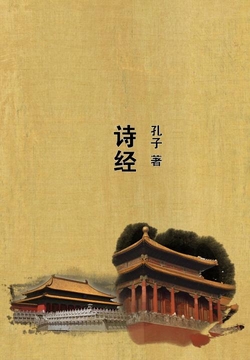
The Book of Songs
Tags
Summary
Editor's review
Who it's for
A good fit for
- General readers with a budding interest in pre-Qin literature and traditional culture
- Chinese teachers and students of the humanities who need reference material for teaching
- Lovers of classical poetry willing to read slowly and savor the details
- Readers who wish to learn about social life and customs in antiquity
Not a good fit for
- Specialist researchers seeking word-by-word scholarly analysis and textual collation
- Young children hoping for modern vernacular retellings of the poems
- Readers who want light, fast-paced reading and prefer to avoid archaic diction
Reading tips
- Choose a heavily annotated edition; begin with the short Guofeng poems, clarifying words and phrases sentence by sentence before reading aloud.
- Work through the Feng, Ya, and Song sections in groups, selecting several poems from each rather than trying to read too much at once.
- Reading aloud is more effective than silent reading; attend to rhyme and reduplicated characters to feel the rhythm of early poetry.
- Copy out famous lines and keep simple notes, recording how references to objects and creatures relate to the emotions expressed.
About the publisher
Public information about Multiple Publishers is limited, and the library currently holds only one book published by it, namely The Book of Songs. Judging from this representative title, the publisher's direction involves classical Chinese poetry and canonical texts, with attention to how the pre-Qin poetic tradition is transmitted to contemporary readers. The author of the collected Book of Songs is listed as Anonymous; it is a collective body of oral poetry, and the particular nature of this authorial resource means that such publishing relies more on textual collation, annotation, and introductory guidance than on the original work of a single author. Based on the available information, the publishing characteristics of Multiple Publishers cannot yet be fully summarized, but its selections reflect an emphasis on classical poetry and canonical works, and may serve as an initial clue to understanding its publishing orientation.
Contents
- 版权信息
- 诗经/国风·周南
- 关雎
- 葛覃
- 卷耳
- 樛木
- 螽斯
- 桃夭
- 兔罝
- 芣苢
- 汉广
- 汝坟
- 麟之趾
- 诗经/国风·召南
- 鹊巢
- 采蘩
- 草虫
- 采蘋
- 甘棠
- 行露
- 羔羊
- 殷其雷
- 摽有梅
- 小星
- 江有汜
- 野有死麕
- 何彼襛矣
- 驺虞
- 诗经/国风·邶风
- 柏舟
- 绿衣
- 燕燕
- 日月
- 终风
- 击鼓
- 凯风
- 雄雉
- 匏有苦叶
- 谷风
- 式微
- 旄丘
- 简兮
- 泉水
- 北门
- 北风
- 静女
- 新台
- 二子乘舟
- 诗经/国风·鄘风
- 柏舟
- 墙有茨
- 君子偕老
- 桑中
- 鹑之奔奔
- 定之方中
- 蝃蝀
- 相鼠
- 干旄
- 载驰
- 诗经/国风·卫风
- 淇奥
- 考槃
- 硕人
- 氓
- 竹竿
- 芄兰
- 河广
- 伯兮
- 有狐
- 木瓜
- 诗经/国风·王风
- 黍离
- 君子于役
- 君子阳阳
- 扬之水
- 中谷有蓷
- 兔爰
- 葛藟
- 采葛
- 大车
- 丘中有麻
- 诗经/国风·郑风
- 缁衣
- 将仲子
- 叔于田
- 大叔于田
- 清人
- 羔裘
- 遵大路
- 女曰鸡鸣
- 有女同车
- 山有扶苏
- 萚兮
- 狡童
- 褰裳
- 丰
- 东门之墠
- 风雨
- 子衿
- 扬之水
- 出其东门
- 野有蔓草
- 溱洧
- 诗经/国风·齐风
- 鸡鸣
- 还
- 著
- 东方之日
- 东方未明
- 南山
- 甫田
- 卢令
- 敝笱
- 载驱
- 猗嗟
- 诗经/国风·魏风
- 葛屦
- 汾沮洳
- 园有桃
- 陟岵
- 十亩之间
- 伐檀
- 硕鼠
- 诗经/国风·唐风
- 蟋蟀
- 山有枢
- 扬之水
- 椒聊
- 绸缪
- 杕杜
- 羔裘
- 鸨羽
- 无衣
- 有杕之杜
- 葛生
- 采苓
- 诗经/国风·秦风
- 车邻
- 驷驖
- 小戎
- 蒹葭
- 终南
- 黄鸟
- 晨风
- 无衣
- 渭阳
- 权舆
- 诗经/国风·陈风
- 宛丘
- 东门之枌
- 衡门
- 东门之池
- 东门之杨
- 墓门
- 防有鹊巢
- 月出
- 株林
- 泽陂
- 诗经/国风·桧风
- 羔裘
- 素冠
- 隰有苌楚
- 匪风
- 诗经/国风·曹风
- 蜉蝣
- 候人
- 鳲鸠
- 下泉
- 诗经/国风·豳风
- 七月
- 鸱鸮
- 东山
- 破斧
- 伐柯
- 九罭
- 狼跋
- 诗经/小雅·鹿鸣之什
- 鹿鸣
- 四牡
- 皇皇者华
- 常棣
- 伐木
- 天保
- 采薇
- 出车
- 杕杜
- 鱼丽
- 诗经/小雅·南有嘉鱼之什
- 南有嘉鱼
- 南山有台
- 蓼萧
- 湛露
- 彤弓
- 菁菁者莪
- 六月
- 采芑
- 车攻
- 吉日
- 诗经/小雅·鸿雁之什
- 鸿雁
- 庭燎
- 沔水
- 鹤鸣
- 祈父
- 白驹
- 黄鸟
- 我行其野
- 斯干
- 无羊
- 诗经/小雅·节南山之什
- 节南山
- 正月
- 十月之交
- 雨无正
- 小旻
- 小宛
- 小弁
- 巧言
- 何人斯
- 巷伯
- 诗经/小雅·谷风之什
- 谷风
- 蓼莪
- 大东
- 四月
- 北山
- 无将
- 小明
- 鼓钟
- 楚茨
- 信南山
- 诗经/小雅·甫田之什
- 甫田
- 大田
- 瞻彼洛矣
- 裳裳者华
- 桑扈
- 鸳鸯
- 頍弁
- 车舝(注)
- 青蝇
- 宾之初筵
- 诗经/小雅·鱼藻之什
- 鱼藻
- 采菽
- 角弓
- 菀柳
- 都人士
- 采绿
- 黍苗
- 隰桑
- 白华
- 绵蛮
- 瓠叶
- 渐渐之石
- 苕之华
- 何草不黄
- 诗经/大雅·文王之什
- 文王
- 大明
- 绵
- 棫朴
- 旱麓
- 思齐
- 皇矣
- 灵台
- 下武
- 文王有声
- 诗经/大雅·生民之什
- 生民
- 行苇
- 既醉
- 凫鹥
- 假乐
- 公刘
- 泂酌
- 卷阿
- 民劳
- 板
- 诗经/大雅·荡之什
- 荡
- 抑
- 桑柔
- 云汉
- 崧高
- 烝民
- 韩奕
- 江汉
- 常武
- 瞻卬
- 召旻
- 诗经/周颂·清庙之什
- 清庙
- 维天之命
- 维清
- 烈文
- 天作
- 昊天有成命
- 我将
- 时迈
- 执竞
- 思文
- 诗经/周颂·臣工之什
- 臣工
- 噫嘻
- 振鹭
- 丰年
- 有瞽
- 潜
- 雝
- 载见
- 有客
- 武
- 诗经/周颂·闵予小子之什
- 闵予小子
- 访落
- 敬之
- 小毖
- 载芟
- 良耜
- 丝衣
- 酌
- 桓
- 赉
- 般
- 诗经/鲁颂·駉之什
- 駉
- 有駜
- 泮水
- 閟宫
- 诗经/商颂
- 那
- 烈祖
- 玄鸟
- 长发
- 殷武
FAQ
Which is better to read first, the Book of Songs or Three Hundred Tang Poems?
Why is the Book of Songs also called the Shi Sanbai?
Do you have to know a lot about ancient objects and creatures to read the Book of Songs?
Related on WeRead


Comments
Find this book
This site is an index: you start “Search all sources” in your browser, and the entries it lists all point to third-party sites; please judge their availability yourself.
About the author
Anonymous is not a real personal name but a general Chinese designation for authors whose names are unknown, lost, or unsigned. Neither nationality nor dates of birth and death can be verified, and available public information is limited, so the works attributed to this name are the only basis for description. The collection holds 2,078 works under Anonymous, spanning medicine, classics, historical readings, ancient poetry, classical literature, and philosophy. Representative works include The Yellow Emperor's Inner Canon: Lingshu, Mencius, The Book of Documents, Nineteen Old Poems, Complete Song Ci, and The Peacock Flies Southeast. Most of these works took shape through long transmission and editing, emerging either from collective folk creation or from authors whose names were lost over time. In ancient China, the Book of Songs, the Great Learning, and many popular storybooks and plays were signed Anonymous because their authors could not be traced. Anonymous works cross the classics, histories, philosophical writings, medical texts, and poetry; their subjects are broad, and their styles vary from archaic simplicity to clear naturalness, making them important and influential sources for understanding ancient Chinese thought, medicine, and literature.
