

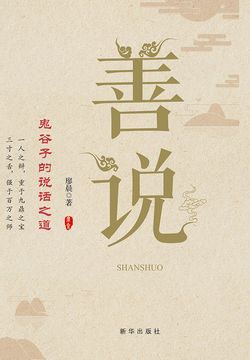
Skillful Speech
Tags
Summary
Editor's review
Who it's for
A good fit for
- Professionals who want to systematically improve their workplace communication and expression skills
- Personal-growth explorers who seek better relationships and deeper conversation
- People in sales, consulting, management, education, and other high-frequency communication roles
- Readers who feel their ideas are hard to convey clearly and want to break through expression bottlenecks
Not a good fit for
- Readers looking for an instant, immediately effective 'complete set of scripted talking points'
- People impatient with theoretical discussion and in-depth case analysis who prefer purely entertaining reading
Reading tips
- Read the whole book first to establish a framework, then use the reflection exercises at the end of each chapter for targeted practice
- While reading, compare the material with your own most recent important or unsuccessful communication experience
- Make the chapters on listening and asking questions a priority, as they are the cornerstone of good talk
About the publisher
Xinhua Publishing House is known for books on politics, journalism, biography and the social sciences. Its 519 titles in the catalog cover world history, social culture, history reading, military affairs, language and writing, and applied psychology. Representative books include Winston Churchill's multi-volume A History of the English-Speaking Peoples, John Dewey's Art as Experience, Wayne Booth's The Craft of Research, and The Chicago Guide to Writing About Research, as well as military history such as Defeat into Victory: The Decisive Campaign in Burma and India, 1942–1945. Its authors range from international figures such as Churchill, Dewey and Booth to Chinese writers including Wu Hao, Luo Dingzi, Li Xuehua and Zhao Hong, giving the press a distinctive profile that balances classic translation with practical writing and emphasizes both history and the social sciences.
Contents
- 版权信息
- 致谢
- 前言
- 第一章 立形:树立良好的沟通形象——成为沟通达人的必备要素
- 关系融洽,一句顶一万句
- 充满自信,告别“气短”
- 言行一致,咱有一说一
- 告别啰唆,我们的人生不需要解释
- 态度平静,泰山崩于前而色不变
- 尊重对方,做一个合格的听众
- 第二章 揣情:开口之前察言观色——鬼谷子的读心术
- 饭可以随便吃,话不能随便说
- 前后对比的方法——反覆
- 检验对方诚意的办法——捭阖
- 通过情绪了解对方——揣情
- 第三章 飞箝:这样说服就对了——说服的套路
- 满足对方需要,别人才会听你的
- 说服讲技巧,不能硬碰硬
- 事有“阴阳”之分,说话也要讲“阴阳”
- 做不出这道题,就别想说服别人
- 把握时机,让对方亮出底牌
- 激将法——谁说老虎屁股摸不得
- 飞箝——说服的最高技巧
- 逃情——你的黑锅我不背
- 第四章 合情:当众说话很简单——演说的要领
- 要——演说内容简明扼要
- 利——一开口就要抓住听众的心
- 辨——让对方明白我们到底在讲什么
- 势——来一场富有激情的演说
- 谦——高高在上的演说不是好演说
- 第五章 顺说:跟任何人都聊得来——闲聊的方法
- 投其所好,多聊对方擅长的话题
- 面对冷场,不妨提个问题
- 赞美对方,你不会后悔的
- 婉言相拒,别人是不会怪你的
- 说话,80%是倾听,20%是表达
- 第六章 慎言:说话不易,且说且珍惜——说话中的一些禁忌
- 人在江湖飘,哪能不挨刀——盘点职场中的说话陷阱
- 沉默是金,以不变应万变
- 言谈有度,不要触碰对方“逆鳞”
- 隐恶扬善,有话好好说
- 留有余地,话不说满
- 时机未到,多说无益
- 第七章 抵巇:留意说话中的陷阱——常见的说话谬误
- 说话不讲理,无处不在
- 大伙都这么说——“诉诸公众”的谬误
- 专家说的都是对的——“诉诸权威”的谬误
- 能穿多少穿多少——避免使用歧义语句
- 你行你上——“诉诸公平”的谬误
- 谁敢比我惨——“诉诸怜悯”的谬误
- 不是好人,就一定是坏人——“非黑即白”的谬误
- 不听话我就揍你——“诉诸强力”的谬误
- 谬误也可为我所用——“抵巇”的方法
FAQ
What are the main differences between this book and other communication books on the market?
Is this book suitable for complete beginners with very weak communication foundations?
Are the methods in the book difficult to apply in real life?
Related on WeRead




Comments
Find this book
This site is an index: you start “Search all sources” in your browser, and the entries it lists all point to third-party sites; please judge their availability yourself.
About the author
Liao Chen: publicly available information is currently limited, and it is not possible to confirm personal details such as nationality, dates of birth and death, or educational background. What can be established is that one work by this author has entered the Chinese book market. The work held in the collection is Shanshuo (Good Talk), classified under inspirational growth. Judging from the title and category, the book likely deals with expression, communication and persuasion, addressing the art of speech in everyday interpersonal interaction. The author's choice of this subject suggests an interest in practical speaking skills and self-improvement for ordinary readers rather than in abstruse linguistic theory. Given only one work and very limited author information, it is difficult to summarize a consistent writing style or overall creative trajectory, and no assessment can be made of the book's market reception or reader reviews. This introduction is based solely on the facts in the collection and should be expanded when more works or reliable information become available.
