

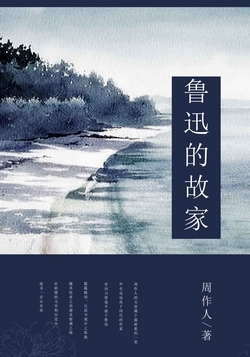
Lu Xun's Old Home
Tags
Summary
Editor's review
Who it's for
A good fit for
- Lu Xun scholars and students of modern Chinese literature seeking details of his early life
- Readers interested in Jiangnan customs and family life in the late Qing and early Republican era
- Readers who enjoy plain memoir writing and prose without strong plotting
- Those who want to understand Lu Xun's youth from a firsthand perspective
Not a good fit for
- Readers seeking commentary or intellectual analysis of Lu Xun's works
- Readers expecting a complete biographical narrative with a clear timeline
- Readers with no interest in the Zhou brothers' relationship and narrative stance
Reading tips
- Start with the "Baicao Yuan" section to build an overall impression of Lu Xun's early living environment, then read the appendices.
- While reading, note details about late Qing and early Republican customs as background material for understanding Lu Xun's works.
- Remain cautious about Zhou Zuoren's narrative; when encountering discrepancies with Lu Xun's own accounts or other sources, read them in comparison.
- Read in installments of about ten essays at a time to avoid losing the thread amid the fragmentary pieces.
About the publisher
Xianzhi Xianxing is a book imprint used by Beijing Mingtianyuanhang Cultural Transmission Co., Ltd. (Beijing Mingtian Culture) rather than an independently established publishing house. Under the name "Beijing Mingtian Culture (Xianzhi Xianxing)" it publishes general-interest titles, with an emphasis on psychology and self-help, social-science general knowledge, and traditional culture. Public information is limited; the titles in our catalogue point mainly to essays and miscellaneous writings, Eastern philosophy, folk literature, and classic works. Representative books include Zhou Zuoren's Lu Xun's Old Home, Bitter Tea Essays, Bitter Bamboo Miscellany, Wind and Rain Talks, and Talks by Candlelight, Sun Yirang's Mozi Jiangu, and Gan Bao's Sou Shen Ji. Its authors are chiefly modern scholars such as Zhou Zuoren and Sun Yirang and collators of classical texts such as Gan Bao, reflecting a sustained interest in traditional classics and essay collections. E-books are the main form of distribution.
Contents
- 版权信息
- 总序
- 第一分 百草园
- 关于百草园
- 一 从园说起
- 二 东昌坊口
- 三 新台门
- 四 后园
- 五 园里的植物
- 六 园里的动物
- 七 园里的动物二
- 八 菜蔬
- 九 晒谷
- 一〇 园门口
- 一一 灶头
- 一二 厨房的大事件
- 一三 祭灶
- 一四 蓝门
- 一五 橘子屋读书
- 一六 橘子屋读书二
- 一七 立房的三代
- 一八 白光
- 一九 子京的末路
- 二〇 兴房的住屋
- 二一 吃饭间
- 二二 曾祖母
- 二三 房间的摆饰
- 二四 诚房的房客
- 二五 漫画与画谱
- 二六 烟与酒
- 二七 两个明堂
- 二八 两个明堂二
- 二九 廊下与堂前
- 三〇 伯宜公
- 三一 介孚公
- 三二 介孚公二
- 三三 王府庄
- 三四 荡寇志的绣像
- 三五 娱园
- 三六 鲁家
- 三七 三味书屋
- 三八 老寿先生
- 三九 广思堂
- 四〇 贺家武秀才
- 四一 沈家山羊
- 四二 童话
- 四三 祖母
- 四四 祖母二
- 四五 关于穿衣服
- 四六 阿长的结局
- 四七 阿长的结局二
- 四八 山海经
- 四九 山海经二
- 五〇 仁房的大概
- 五一 玉田
- 五二 藏书
- 五三 抄书
- 五四 椒生
- 五五 监督
- 五六 监督二
- 五七 轶事
- 五八 墓碑
- 五九 讲西游记
- 六〇 伯升
- 六一 恒训
- 六二 病
- 六三 大书房
- 六四 礼房的人们
- 六五 四七
- 六六 四七与五十
- 六七 五十在诚房
- 六八 诚房之余
- 六九 桐生
- 七〇 桐生二
- 七一 月如与日如
- 七二 兰星
- 七三 阿有与阿桂
- 七四 单妈妈
- 七五 四百年前
- 七六 台门的败落
- 七七 祭祀值年
- 七八 做忌日
- 七九 忌日酒
- 八〇 风俗异同
- 八一 扫墓
- 八二 祝文
- 八三 山头的花木
- 八四 上坟船里
- 八五 祝福
- 八六 分岁
- 八七 祭书神
- 八八 茶水
- 八九 饭菜
- 九〇 蒸煮
- 九一 灯火
- 九二 灯火二
- 九三 寒暑
- 九四 园的最后
- 第二分 园的的内外
- 一 孔乙己的时代
- 二 咸亨的老板
- 三 小酒店里
- 四 泰山堂里的人
- 五 水果莲生
- 六 傅澄记米店
- 七 屠家小店
- 八 长庆寺
- 九 两种书房
- 一〇 秃先生是谁
- 一一 寿先生
- 一二 寿先生二
- 一三 马面鬼
- 一四 三个医生
- 一五 鲁老太太
- 一六 一幅画
- 一七 姑母的事情
- 一八 丁耀卿
- 一九 胡韵仙
- 二〇 秋瑾
- 二一 袁文薮与蒋抑卮
- 二二 蒋观云
- 二三 范爱农
- 二四 蒯若木
- 二五 周瘦鹃
- 二六 俟堂与陈师曾
- 二七 陈师曾的风俗画
- 二八 鲁迅在S会馆
- 二九 S会馆的来客
- 三〇 鲁迅与书店
- 三一 惜花诗
- 三二 笔述的诗文
- 三三 笔述的诗文二
- 第三分 鲁迅在东京
- 一 伏见馆
- 二 中越馆
- 三 中越馆二
- 四 中越馆三
- 五 伍舍
- 六 校对
- 七 青木堂
- 八 学俄文
- 九 民报社听讲
- 一〇 民报社听讲二
- 一一 民报案
- 一二 蒋抑卮
- 一三 眼睛石硬
- 一四 同乡学生
- 一五 日常生活
- 一六 旧书店
- 一七 服装
- 一八 落花生
- 一九 酒
- 二〇 矮脚书几
- 二一 劲草
- 二二 河南杂志
- 二三 新生
- 二四 吃茶
- 二五 看戏
- 二六 画谱
- 二七 花瓶
- 二八 咳嗽药
- 二九 维新号
- 三〇 诨名
- 三一 南江堂
- 三二 德文书
- 三三 补遗
- 三四 补遗二
- 三五 补遗三
- 第四分 补树书屋旧事
- 一 缘起
- 二 会馆
- 三 树
- 四 抄碑的房屋
- 五 抄碑的目的
- 六 抄碑的方法
- 七 猫
- 八 避辫子兵
- 九 金心异
- 一〇 新青年
- 一一 茶饭
- 一二 办公事
- 一三 益锠与和记
- 一四 老长班
- 一五 星期日
- 后记
FAQ
What period of Lu Xun's life does this book mainly cover?
Can the recollections in this book be taken entirely as historical fact?
How is the book structured?
Related on WeRead


Comments
Find this book
This site is an index: you start “Search all sources” in your browser, and the entries it lists all point to third-party sites; please judge their availability yourself.
About the author
Zhou Zuoren (1885–1967) was a native of Shaoxing, Zhejiang, and the younger brother of Lu Xun. A modern Chinese essayist, literary theorist and translator, he was a representative figure of the New Culture Movement. He taught at Peking University and took part in editing New Youth and Yusi. His essay collections include My Own Garden, Writings on a Rainy Day and Recollections of Zhitang, written in a plain, calm style that finds interest and insight in everyday matters. He long translated Japanese and Greek literature, notably The Pillow Book, the tragedies of Euripides and the comedies of Aristophanes. His essays, folk-literature studies and translations have had a lasting influence on modern Chinese writing and the reception of foreign literature.
