

The Logic of the Curriculum
Tags
Summary
Editor's review
The book's most distinctive value lies in the rigor of its logical structure: from the historical evolution of curriculum to the core propositions of modern curriculum theory, from the basic principles of curriculum design to implementation strategies, it reveals layer by layer the inner laws of curriculum as the core vehicle of education. In explaining classic theories such as the Tyler rationale and Schwab's practical model, the author maintains scholarly rigor while using vivid educational examples to make the text more readable. The discussion of the relationship between core competencies and curriculum reform offers important practical guidance for today's educators.
As a scholarly work, the book is not an easy or pleasurable read, but every chapter contains profound educational wisdom. Readers should engage with it thoughtfully and critically; the discussions of curriculum power distribution and curriculum standards, in particular, show the author's deep concern for educational equity and social justice. This perspective—examining curriculum in its social and cultural context—lifts the book beyond a mere technical manual to become an important intellectual resource for understanding the nature of educational change.
Notably, the sections on school-based curriculum development and the design of integrated practice activities, though presented theoretically, contain rich practical wisdom. Educational administrators and frontline teachers who read them in light of their own work will often find unexpected inspiration.
Who it's for
A good fit for
- Graduate students and early-career scholars in education, usable as a core reference for curriculum theory research
- Primary and secondary school curriculum administrators and teaching researchers who need a systematic understanding of curriculum design principles and reform directions
- Teacher educators at normal universities seeking to deepen their professional teaching of curriculum theory
- Researchers interested in education policy and curriculum reform, focusing on the inner logic of educational change
Not a good fit for
- Frontline teachers seeking only specific teaching techniques and classroom activity plans
- Readers with no grounding in educational theory and little patience for academic reading
Reading tips
- Start with the table of contents and chapter introductions to grasp the book's logical framework before reading in depth
- Read selected chapters in light of your own educational practice and keep notes for reflection
- For more theoretical chapters, slow down and consult relevant background materials
About the publisher
Adhering to the publishing purpose of "broad education," East China Normal University Press extends beyond its three main areas of textbooks, academic works and general-interest books, and its catalogue clearly reflects a vision that bridges Chinese and foreign humanities and social sciences. In foreign literature it offers classics such as Yasunari Kawabata's Snow Country and The Old Capital (translated by Chen Dewen), Jane Austen's Pride and Prejudice, and Rilke's annotated edition of The Notebooks of Malte Laurids Brigge (translated by Chen Zao); in architecture, Chen Congzhou's two-volume Appreciation Dictionary of Chinese Gardens; in social psychology, The Social Animal: 12th Edition; and it also includes philosophy titles, traditional-culture works such as the six-volume Paintings for the Protection of Life, and education books. Its authors include renowned Chinese and foreign writers and skilled translators, showing a publishing profile that balances classic translation, scholarly accumulation and public reading. Public information is limited; the above is based only on the books in the catalogue.
Contents
- 版权信息
- 总序 展望学校教育的变革
- 引言 寻求课程发展的逻辑
- 上编 创新课程文化
- 1 论学校课程改革的价值转型
- 2 课程改革:挑战与反思
- 3 课程发展的回归现象与非线性模式
- 4 “学校知识”与课程标准
- 5 概念重建与我国课程创新
- 6 新世纪学校课程的创造
- 7 探究学习与理科教学
- 8 研究性学习:“课程文化”的革命
- 9 综合实践活动课程:实质、潜力与问题
- 10 综合实践活动:含义、价值及其误区
- 下编 重建课堂教学
- 11 知识隐喻与教学转型
- 12 知识建构与教学创新
- 13 对话与文本:教学规范的转型
- 14 新课程背景下教学改革的价值取向及路径
- 15 教学活动理论的考察
- 16 “批判性思维”及其教学
- 17 “有效教学”研究的价值与展望
- 18 教材的概念与教材创新的课题
- 19 建构主义学习观与档案袋评价
- 20 课程人的社会责任何在
- 原出处一览
FAQ
How does this book differ from the curriculum chapters in general education textbooks?
Can readers without a background in education understand this book?
What reference value does this book have for the current new curriculum reform?
Related on WeRead
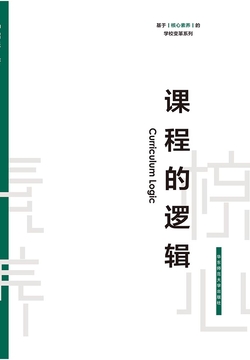 课程的逻辑
 课程的逻辑
 学校整体课程的文化逻辑
 突破大杂烩:有逻辑的学校课程变革
 批判性思维(原书第4版)
 十二校联合《教育学基础》(第3版)配套题库【名校考研真题(视频讲解)+课后习题+章节题库+模拟试题】
 十二校《教育学基础》(第2版)配套题库【名校考研真题(视频讲解)+课后习题+章节题库+模拟试题】
 批判性思维工具(原书第3版)
 王道俊《教育学》(第6版)配套题库【名校考研真题(视频讲解)+课后习题+章节题库+模拟试题】
Comments
Find this book
This site is an index: you start “Search all sources” in your browser, and the entries it lists all point to third-party sites; please judge their availability yourself.
About the author
Zhong Qiquan is a Chinese author of books on education, though public information about him is limited: his dates of birth and death, nationality, academic credentials, and professional positions are not clearly recorded. The library holds 10 of his works, spanning categories such as examinations, education, social culture, and literary appreciation. Representative titles include Research on Core Competencies, Class Management: Creating Creative Classes, Classroom Transformation, Teaching Innovation: Starting from Psychological Common Sense, Classroom Research, The Logic of Curriculum, the "Zhong Qiquan Trilogy of Classroom Research," and The Challenge of Education. These works center on curriculum theory, classroom teaching, class management, and core competencies. In style, they begin from educational theory and psychological common sense and connect them with classroom practice to discuss teaching innovation, addressing teachers and educational researchers. Overall, his writing focuses on curriculum and teaching reform in basic education and forms a fairly concentrated thematic thread in curriculum and classroom research.
