

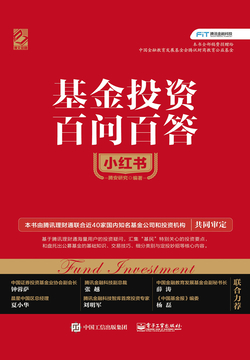
One Hundred Questions and One Hundred Answers
Tags
Summary
Only by understanding basic market theory and the fundamentals of investing can you handle personal or family asset allocation with greater ease.
Editor's review
Who it's for
A good fit for
- Beginning readers without a finance background who want a systematic grasp of investing basics
- Ordinary household investors who need knowledge to prepare for family asset allocation
- Young readers who enjoy comics and want an easy introduction to financial knowledge
- Readers looking for plain-language material to explain basic financial concepts to family
Not a good fit for
- Professionals with a finance background seeking in-depth analysis and modeling tools
- Readers hoping for specific investment recommendations or trading strategies
- Readers expecting a systematic textbook-style theoretical framework and rigorous academic training
Reading tips
- Read the 100 installments in order and, after each, restate one core concept in your own words.
- Compare the concepts in the comics with your own asset allocation and list the knowledge gaps to fill.
- Read several installments a week and take brief notes to avoid forgetting after a single quick read.
- After finishing, share the key points with family and use your explanation to test whether you truly understand them.
About the publisher
Northern Literature and Art Publishing House focuses on contemporary and modern literary and artistic works, literary theory, and translations of foreign literature, while also covering categories such as history, popular science, Eastern philosophy, and world classics. Its collection includes 737 titles, with representative publications ranging from traditional Chinese classics such as Records of the Grand Historian, The Exploitation of the Works of Nature, and The Analects to foreign literary works including the complete classic plays of Shakespeare, Balzac's Old Goriot and Eugénie Grandet (in celebrated translations by Fu Lei), and The Complete Sherlock Holmes. Its author resources span classical figures such as Sima Qian, Song Yingxing, and Confucius, foreign writers such as Shakespeare and Balzac, and translators such as Zhu Shenghao and Fu Lei. The press combines the transmission of classics with an orientation toward general reading, developing a distinctive profile in both the editing of traditional texts and the translation of foreign literature. Public information is limited, so the above emphasizes the publishing profile reflected in the books held in the collection.
Contents
- 版权信息
- 编委会
- 序言:给投资者的一封信
- 01 为什么有钱并不能让你快乐?
- 02 为什么钱会越来越毛?
- 03 为什么人均GDP10,000美金是鬼门关?
- 04 为什么中国经济怕冷不怕热?
- 05 信托的起源在哪里?
- 06 有趣的高晓松和无趣的吴彦祖你会选谁?
- 07 我少交税会不会被查到?
- 08 穷人和富人解决问题的过程有什么区别?
- 09 千金融一定要能喝酒吗?
- 10 为什么不要和趋势对抗?
- 11 为什么被割韭菜也是一种幸福?
- 12 为什么农民丰产不丰收?
- 13 为什么那么多人爱炒股?
- 14 家庭财富管理的起点是什么?
- 15 投资的时候该不该勤奋?
- 16 怎样才能钱多事少离家近,位高权重责任轻?
- 17 客户是不是上帝?
- 18 为什么要坚持投资中国市场?
- 19 为什么那么多的老板出来搞直播?
- 20 富贵一定要险中求吗?
- 21 为什么那么多有钱人喜欢赌?
- 22 什么样的人最喜欢在直播平台打赏?
- 23 为什么有百万房贷是件很开心的事?
- 24 钱和文化哪个重要?
- 25 是产品重要还是营销重要?
- 26 穷人还有没有阶层上升的机会?
- 27 家里只有5万块,还需要理财吗?
- 28 不裁员的企业是不是好企业?
- 29 85后和95后谁最惨烈?
- 30 为什么投资时机很重要?
- 31 国家为什么不允许保本产品存在?
- 32 风险承受能力和承受意愿有何差别?
- 33 有没有什么挣快钱的方法?
- 34 为什么很少有看空某个股票的研究报告?
- 35 现金和资产哪个重要?
- 36 为什么只能用常识去投资?
- 37 每年10%的回报高不高?
- 38 都是谁在投资科技行业?
- 39 投资要不要神佛保佑?
- 40 中国还算是一个年轻的国家吗?
- 41 未富先老有多严重?
- 42 如何选择就业的行业?
- 43 如何选择好的企业?
- 44 买彩票和投资的区别是什么?
- 45 如何找到对的投资经理(一)?
- 46 如何找到对的投资经理(二)?
- 47 为什么不要盯着GDP做投资?
- 48 为什么短视频这么火?
- 49 为什么不大愿意讲房产?
- 50 如何看待投资业绩不够理想的基金经理?
- 51 为什么通过基金进入股票市场?
- 52 如何看待蚂蚁金服?
- 53 什么是“72法则”?
- 54 为什么股票基金的最低仓位是80%?
- 55 股市的关系?
- 56 普通人如何才能翻身?
- 57 你见过最可爱的客户什么样?
- 58 什么是富人税?
- 59 QQ号能不能当遗产?
- 60 做错了要不要认赔?
- 61 干金融遇到烂人怎么办?
- 62 学历重不重要?
- 63 为什么一些成功人士加班比普通员工还严重?
- 64 公募基金好,还是私募基金好?
- 65 基金业绩和基金规模之间的关系大吗?
- 66 什么叫僵尸基金?
- 67 为什么我不喜欢高水位法?
- 68 我能不能去放高利贷?
- 69 为什么多学习专业知识?
- 70 投资的意见要不要听?
- 71 遇到白嫖的投资者怎么办?
- 72 投资的捷径有没有?
- 73 如何看待投资大师?
- 74 如何才能做到视金钱如粪土?
- 75 为什么不要美化投资行业?
- 76 为什么挣钱之后拿不住?
- 77 为什么客户赚了钱,他还不理我?
- 78 到底该不该接地气?
- 79 损失的痛苦有多苦?
- 80 为什么会去抢爆款产品?
- 81 为什么我的企业没有长大?
- 82 如何在金融行业生存?
- 83 儿子是废物,不敢让其继承家业怎么办?
- 84 为什么不要随便得罪一个人?
- 85 资本到底是坏的,还是好的?
- 86 穷是不是一种病?
- 87 为什么要强迫自己不断学习?
- 88 广告做的越好,产品卖的越多?
- 89 有没有一句话让你醍醐灌顶?
- 90 一个富人身边有多少人穷人?
- 91 有钱最大的风险是什么?
- 92 投资者需要教育吗?
- 93 什么东西是最贵的?
- 94 专家是不是都是纸上谈兵?
- 95 为什么越来越多的人买基金?
- 96 相信数据还是相信人?
- 97 买一个产品好,还是多个产品好?
- 98 为什么要坚守能力圈?
- 99 为什么P2P会成为历史?
- 100 完结撒花!
- 声明
- 公司概况
- 财富·梦想
- 企业文化
FAQ
Can this book directly tell me which financial products to buy?
Are the 100 comic installments connected, and should they be read in order?
Will someone with no finance knowledge find it hard to read?
Related on WeRead




Comments
Find this book
This site is an index: you start “Search all sources” in your browser, and the entries it lists all point to third-party sites; please judge their availability yourself.
About the author
Datang Wealth is the credited author of Chinese personal-finance books, though public information about it is limited. The library currently holds only one work under this name, Ba Wen Bai Da (One Hundred Questions, One Hundred Answers). Judging from the title and its personal-finance category, the book likely adopts a question-and-answer format, addressing financial concepts, asset allocation, and common investment questions in a itemized, accessible style that lays out basic knowledge for ordinary readers. The name "Datang Wealth" has a clear institutional flavor and may represent a writing team or a personal-finance content brand rather than a single author, though no public information confirms this. On the available evidence, what can be said is that its writing targets general readers new to personal finance, emphasizing the practicality and readability of a Q&A approach and suiting those who want a quick overview of financial basics. Because the author's background, writing career, and reception of the work are undocumented, any fuller assessment requires more material; this entry offers only a brief note based on the facts in the library.
