

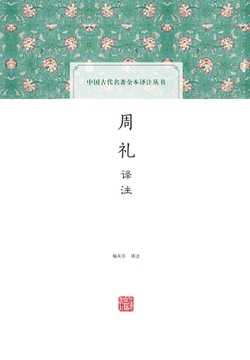
The Rites of Zhou: Translation and Notes
Tags
Summary
Editor's review
Who it's for
A good fit for
- Literature and history enthusiasts interested in ancient Chinese political institutions and bureaucratic systems
- Students and teachers in university departments of Chinese, history, philosophy, and related fields
- Readers wishing to systematically understand the Confucian classic Rites of Zhou and its historical influence
- Those engaged in popularizing traditional culture or teaching Chinese studies
Not a good fit for
- Readers seeking only light storytelling or quick, superficial understanding
- Complete beginners with no familiarity with pre-Qin texts or ancient institutions and no basic ability to read classical Chinese
Reading tips
- It is recommended to first read the lengthy Preface to build an overall understanding of the Rites of Zhou's background, core content, and academic controversies
- While reading, one may follow the six official systems such as the Heavenly Offices and Earthly Offices, comparing translation and annotation to understand their design logic
- It is helpful to keep a historical atlas of China or a reference work on pre-Qin history at hand to check geographical and historical information as needed, deepening understanding
About the publisher
Shanghai Classics Publishing House is a professional publisher centered on the collation of ancient texts and academic research works. Its publishing areas cover historical readings, classical poetry, folk literature, literary appreciation, canonical works, and Eastern philosophy. Its books include Chen Yinke's A Brief Discussion of the Origins of the Sui and Tang Institutions, Xin Qiji's Chronological Annotated Edition of Jiaxuan's Ci (Simplified Edition), Tang Xianzu's The Peony Pavilion, Liu Xie's The Literary Mind and the Carving of Dragons, as well as New Annotations to Three Hundred Tang Poems (Collector's Edition), Annotated Edition of Han Changli's Collected Works (Simplified Edition, 3 volumes), and Youyang Zazu. Its authors include Chen Yinke, Xin Qiji, Tang Xianzu, Liu Xie, Deng Guangming, Hengtang Tuishi, Han Yu, and Ma Qichang. In terms of publishing characteristics, the house emphasizes collation, annotation, and compilation of ancient texts alongside academic research works, and continues to issue simplified and collector's editions that balance scholarship and accessibility. Public information about the publisher's fuller publishing profile is limited.
Contents
- 版权信息
- 前言
- 译注说明
- 天官冢宰第一
- 叙官
- 一、大宰
- 二、小宰
- 三、宰夫
- 四、宫正
- 五、宫伯
- 六、膳夫
- 七、庖人
- 八、内饔
- 九、外饔
- 一〇、亨人
- 一一、甸师
- 一二、兽人
- 一三、渔人
- 一四、鳖人
- 一五、腊人
- 一六、医师
- 一七、食医
- 一八、疾医
- 一九、疡医
- 二〇、兽医
- 二一、酒正
- 二二、酒人
- 二三、浆人
- 二四、凌人
- 二五、笾人
- 二六、醢人
- 二七、醯人
- 二八、盐人
- 二九、冪人
- 三〇、宫人
- 三一、掌舍
- 三二、幕人
- 三三、掌次
- 三四、大府
- 三五、玉府
- 三六、内府
- 三七、外府
- 三八、司会
- 三九、司书
- 四〇、职内
- 四一、职岁
- 四二、职币
- 四三、司裘
- 四四、掌皮
- 四五、内宰
- 四六、内小臣
- 四七、阍人
- 四八、寺人
- 四九、内竖
- 五〇、九嫔
- 五一、世妇
- 五二、女御
- 五三、女祝
- 五四、女史
- 五五、典妇功
- 五六、典丝
- 五七、典枲
- 五八、内司服
- 五九、缝人
- 六〇、染人
- 六一、追师
- 六二、屦人
- 六三、夏采
- 地官司徒第二
- 叙官
- 一、大司徒
- 二、小司徒
- 三、乡师
- 四、乡大夫
- 五、州长
- 六、党正
- 七、族师
- 八、闾胥
- 九、比长
- 一〇、封人
- 一一、鼓人
- 一二、舞师
- 一三、牧人
- 一四、牛人
- 一五、充人
- 一六、载师
- 一七、闾师
- 一八、县师
- 一九、遗人
- 二〇、均人
- 二一、师氏
- 二二、保氏
- 二三、司谏
- 二四、司救
- 二五、调人
- 二六、媒氏
- 二七、司市
- 二八、质人
- 二九、廛人
- 三〇、胥师
- 三一、贾师
- 三二、司暴
- 三三、司稽
- 三四、胥
- 三五、肆长
- 三六、泉府
- 三七、司门
- 三八、司关
- 三九、掌节
- 四〇、遂人
- 四一、遂师
- 四二、遂大夫
- 四三、县正
- 四四、鄙师
- 四五、酂长
- 四六、里宰
- 四七、邻长
- 四八、旅师
- 四九、稍人
- 五〇、委人
- 五一、土均
- 五二、草人
- 五三、稻人
- 五四、土训
- 五五、诵训
- 五六、山虞
- 五七、林衡
- 五八、川衡
- 五九、泽虞
- 六〇、迹人
- 六一、矿人
- 六二、角人
- 六三、羽人
- 六四、掌葛
- 六五、掌染草
- 六六、掌炭
- 六七、掌荼
- 六八、掌蜃
- 六九、囿人
- 七〇、场人
- 七一、廪人
- 七二、舍人
- 七三、仓人
- 七四、司禄(阙)
- 七五、司稼
- 七六、舂人
- 七七、人
- 七八、槁人
- 春官宗伯第三
- 叙官
- 一、大宗伯
- 二、小宗伯
- 三、肆师
- 四、郁人
- 五、鬯人
- 六、鸡人
- 七、司尊彝
- 八、司几筵
- 九、天府
- 一〇、典瑞
- 一一、典命
- 一二、司服
- 一三、典祀
- 一四、守祧
- 一五、世妇
- 一六、内宗
- 一七、外宗
- 一八、冢人
- 一九、墓大夫
- 二〇、职丧
- 二一、大司乐
- 二二、乐师
- 二三、大胥
- 二四、小胥
- 二五、大师
- 二六、小师
- 二七、瞽矇
- 二八、视瞭
- 二九、典同
- 三〇、磬师
- 三一、钟师
- 三二、笙师
- 三三、镈师
- 三四、师
- 三五、旄人
- 三六、籥师
- 三七、籥章
- 三八、鞮氏
- 三九、典庸器
- 四〇、司干
- 四一、大卜
- 四二、卜师
- 四三、龟人
- 四四、菙氏
- 四五、占人
- 四六、筮人
- 四七、占梦
- 四八、视祲
- 四九、大祝
- 五〇、小祝
- 五一、丧祝
- 五二、甸祝
- 五三、诅祝
- 五四、司巫
- 五五、男巫
- 五六、女巫
- 五七、大史
- 五八、小史
- 五九、冯相氏
- 六〇、保章氏
- 六一、内史
- 六二、外史
- 六三、御史
- 六四、巾车
- 六五、典路
- 六六、车仆
- 六七、司常
- 六八、都宗人
- 六九、家宗人
- 七〇、神仕
- 夏官司马第四
- 叙官
- 一、大司马
- 二、小司马
- 三、军司马(阙)
- 四、舆司马(阙)
- 五、行司马(阙)
- 六、司勋
- 七、马质
- 八、量人
- 九、小子
- 一〇、羊人
- 一一、司爟
- 一二、掌固
- 一三、司险
- 一四、掌疆(阙)
- 一五、候人
- 一六、环人
- 一七、挈壶氏
- 一八、射人
- 一九、服不氏
- 二〇、射鸟氏
- 二一、罗氏
- 二二、掌畜
- 二三、司士
- 二四、诸子
- 二五、司右
- 二六、虎贲氏
- 二七、旅贲氏
- 二八、节服氏
- 二九、方相氏
- 三〇、大仆
- 三一、小臣
- 三二、祭仆
- 三三、御仆
- 三四、隶仆
- 三五、弁师
- 三六、司甲(阙)
- 三七、司兵
- 三八、司戈盾
- 三九、司弓矢
- 四〇、缮人
- 四一、槁人
- 四二、戎右
- 四三、齐右
- 四四、道右
- 四五、大驭
- 四六、戎仆
- 四七、齐仆
- 四八、道仆
- 四九、田仆
- 五〇、驭夫
- 五一、校人
- 五二、趣马
- 五三、巫马
- 五四、牧师
- 五五、廋人
- 五六、圉师
- 五七、圉人
- 五八、职方氏
- 五九、土方氏
- 六〇、怀方氏
- 六一、合方氏
- 六二、训方氏
- 六三、形方氏
- 六四、山师
- 六五、川师
- 六六、原师
- 六七、匡人
- 六八、撢人
- 六九、都司马(附家司马)
- 秋官司寇第五
- 叙官
- 一、大司寇
- 二、小司寇
- 三、士师
- 四、乡士
- 五、遂士
- 六、县士
- 七、方士
- 八、讶士
- 九、朝士
- 一〇、司民
- 一一、司刑
- 一二、司刺
- 一三、司约
- 一四、司盟
- 一五、职金
- 一六、司厉
- 一七、犬人
- 一八、司圜
- 一九、掌囚
- 二〇、掌戮
- 二一、司隶
- 二二、罪隶
- 二三、蛮隶
- 二四、闽隶
- 二五、夷隶
- 二六、貉隶
- 二七、布宪
- 二八、禁杀戮
- 二九、禁暴氏
- 三〇、野庐氏
- 三一、蜡氏
- 三二、雍氏
- 三三、萍氏
- 三四、司寤氏
- 三五、司烜氏
- 三六、条狼氏
- 三七、修闾氏
- 三八、冥氏
- 三九、庶氏
- 四〇、穴氏
- 四一、翨氏
- 四二、柞氏
- 四三、薙氏
- 四四、硩蔟氏
- 四五、翦氏
- 四六、赤犮氏
- 四七、蝈氏
- 四八、壶涿氏
- 四九、庭氏
- 五〇、衔枚氏
- 五一、伊耆氏
- 五二、大行人
- 五三、小行人
- 五四、司仪
- 五五、行夫
- 五六、环人
- 五七、象胥
- 五八、掌客
- 五九、掌讶
- 六〇、掌交
- 六一、掌祭(阙)
- 六二、掌货贿(阙)
- 六三、朝大夫
- 六四、都则(阙)
- 六五、都士(阙)
- 六六、家士(阙)
- 冬官考工记第六
- 总叙
- 一、轮人
- 二、舆人
- 三、辀人
- 四、筑氏
- 五、冶氏
- 六、桃氏
- 七、凫氏
- 八、栗氏
- 九、段氏(阙)
- 一〇、函人
- 一一、鲍人
- 一二、人
- 一三、韦氏(阙)
- 一四、裘氏(阙)
- 一五、画缋
- 一六、钟氏
- 一七、筐氏(阙)
- 一八、氏
- 一九、玉人
- 二〇、楖人(阙)
- 二一、雕人(阙)
- 二二、磬氏
- 二三、矢人
- 二四、陶人
- 二五、瓬人
- 二六、梓人
- 二七、庐人
- 二八、匠人
- 二九、车人
- 三〇、弓人
- 附录
- 主要引用书目
FAQ
Is the translation style more literal or free?
Is this book suitable as an introductory text to the Rites of Zhou?
How does this edition compare with other annotated translations of the Rites of Zhou?
Related on WeRead



Comments
Find this book
This site is an index: you start “Search all sources” in your browser, and the entries it lists all point to third-party sites; please judge their availability yourself.
About the author
Yang Tianyu is an author in the field of collating and annotating classical Chinese texts. Public information about him is limited, and details such as his native place, dates of birth and death, and educational background are not clearly recorded. Judging from the five works held in the collection, his work centers on modern annotation and translation of the Confucian classics known as the "Three Rites," including Annotated Translations of the Book of Rites, Annotated Translations of the Rites of Zhou, and Annotated Translations of the Etiquette and Ceremonies; the Book of Rites volume exists in both separate and two-volume editions. These works fall under the common categories of Eastern philosophy and history readings and are intended for general readers and beginners who wish to read the original ritual classics directly. His annotation style is mainly to explain meanings alongside the text and clarify sentences, striving to lower the barrier to reading pre-Qin ritual documents so that ancient ceremonial institutions and ideas become more accessible to modern readers, and thus offers some reference value in popularizing traditional ritual studies.
