

The World of Trauma
Tags
Summary
More and more people today are falling into mental crises such as trauma and depression. This book attempts to offer a first-person account of life with trauma, and to provide some explanation and companionship to others enduring the same hardship.
Editor's review
Who it's for
A good fit for
- People currently experiencing trauma or depression who want to refer to similar experiences
- Readers who want to understand the trauma of friends or family but struggle to know how to approach them
- Those interested in first-person narratives of psychological distress and willing to listen quietly
- People in supportive roles who wish to gain a more intuitive understanding
Not a good fit for
- Readers seeking a systematic treatment plan or professional psychological guidance
- Those expecting a light, healing story or immediate comfort
- People in an extremely fragile emotional state for whom reading others' accounts of pain may add to their burden
Reading tips
- Read in sections and slowly, a little at a time; stop whenever it feels heavy—there is no need to finish in one sitting.
- Keep a pen at hand, mark sentences that resonate, and note how you feel in the moment.
- If your emotions fluctuate noticeably after reading, talk with someone you trust or seek professional psychological support.
- Treat it as a reference, not a standard; do not force the book's experience onto your own situation.
Contents
- 版权信息
- 导语
- 01 (遥远的战栗)
- 02 (反复检查)
- 03 (内心的强迫剧场)
- 04 (孱弱日常)
- 05 (悬浮日常)
- 06 (缩闭日常)
- 07 (情绪硫酸)
- 08 (自我指示的迷雾)
- 09 (自我毁损)
- 10 (记忆损伤01)
- 11 (记忆损伤02)
- 12 (记忆损伤03)
- 13 (麻木感)
- 14 (月光下的安慰)
- 15 (乱七八糟的房间)
- 16 (一个不知名的小bug)
- 17 (痛苦固着01)
- 18 (痛苦固着02)
- 19 (没有地方睡觉)
- 20 (想做隐形人)
- 21 (我在全力防御什么01)
- 22 (我在全力防御什么02)
- 23 (我在全力防御什么03)
- 24 (伤的叹息)
- 25 (盼望)
- 26 (起不来床)
- 27 (深处的复活小岛)
- 28 (看不进字)
- 29 (前进又后退)
- 30 (可以不指责我了吗01)
- 31 (可以不指责我了吗02)
- 32 (急迫成狂)
- 33 (和“不高兴”的battle)
- 34 (虚弱的现实感)
- 35 (上贡胡萝卜的兔子)
- 36 (兔子的启动困难01)
- 37 (兔子的启动困难02)
- 38 (颤颤巍巍)
- 39 (不敢放松01)
- 40 (不敢放松02)
- 41 (不敢放松03)
- 42 (不敢放松04)
- 43 (不敢放松05)
- 44 (心灵血脉的缺损01)
- 45 (心灵血脉的缺损02)
- 46 (心灵血脉的缺损03)
- 1、重度自责
- 2、不配一切
- 3、自我放逐
- 4、战战兢兢,草木皆兵
- 5、与世界交互能力的全面退步
- 47 (黄鼠狼的爱)
- 48 (战)
- 结语
FAQ
Can this book replace psychological counseling or treatment?
What should I do if reading stirs up my emotions and makes me uncomfortable?
Is this book helpful for understanding a friend or family member who has experienced trauma?
Related on WeRead
 创伤的世界
 抱歉,我动了你的脑子:一位神经外科医生的悲喜
 唤醒老虎:启动自我疗愈本能
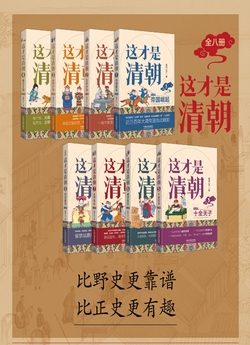 这才是清朝套装(第2版)(全8册:帝国崛起+定鼎中原+康熙大帝+雍正王朝+十全天子+盛世危机+太平军兴+西后垂帘)
 提高你的创伤免疫力
 游戏治疗——理论与实践的综合指南
Comments
Find this book
This site is an index: you start “Search all sources” in your browser, and the entries it lists all point to third-party sites; please judge their availability yourself.
About the author
Only limited public information is available about Li Qing. At present, the only confirmed detail is that the author has written one work, The World of Trauma. The book is categorized under inspirational growth, and its title suggests that it likely centers on traumatic experience and its impact on personal growth, exploring how people understand, endure, and gradually move beyond psychological or life hardships. As an author, Li Qing appears to focus on inner experience and the process of growth rather than on abstract argument. Because this is the only work in the collection, the author's nationality, dates of birth and death, educational background, and other writing experience cannot be verified, nor is it possible to judge whether this writing style continues in other works. For readers, the most direct way to learn about Li Qing remains through The World of Trauma itself, and through the narrative approach and emotional tone with which the author treats the themes of trauma and growth.
