

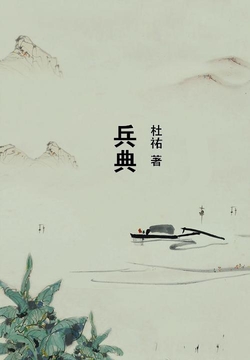
Military Compendium
Tags
Summary
Editor's review
Who it's for
A good fit for
- Readers studying ancient Chinese military institutions and military thought
- Learners interested in institutional history and the history of political thought
- Students who need a short original-text source for citation in papers
- People interested in ancient views of order and chaos and discussions of the legitimacy of war
Not a good fit for
- Military enthusiasts expecting detailed explanations of specific tactics and battle examples
- Readers lacking a foundation in Classical Chinese who are unwilling to consult annotations
- General readers looking only for light historical stories
Reading tips
- First clarify the references to "the Three Sovereigns," "the Five Emperors," "the Battle of Busui," "the campaign of Banquan," and other allusions, then read the main text.
- Take "If institutions are properly ordered, there is peace and good governance; if improperly ordered, there is disorder and peril" as the core sentence and trace the author's line of argument.
- Compare it with related content on military institutions in the Tongdian to understand Du You's overall institutional vision.
- After reading, try to restate in modern language the author's views on the origin and limits of "the military."
About the publisher
Bashu Publishing House is a publisher centered on collating and publishing classical Chinese cultural texts, with its main publishing areas covering classical literature, Eastern philosophy, ancient poetry, and educational classics. Its library currently holds 1,075 titles, including representative works such as Dream of the Red Chamber, the Preface to the Orchid Pavilion Gathering, Renjian Cihua, and Out to the Frontier, involving authors such as Cao Xueqin, Wang Xizhi, Wang Guowei, Wang Changling, Liu Xie, and Yan Yu. These reflect the publisher's focus on literary classics, poetry criticism, and philosophical readings. Its publishing character lies in working around ancient texts and canonical works, with attention to textual collation and presentation. Public information on its more detailed publishing background and series plans is limited; this introduction is based only on the library's book information.
Contents
- 版权信息
- 序
- 【叙兵】
- 【收众】
- 【选择】[附]
- 【立军】
- 【今制】[附]
- 【论将】
- 【搜才】[附]
- 【法制】
- 【舡战令】
- 【步战令】
- 【下篇】
- 【杂教令】[附]
- 【料敌制胜】
- 【敌十五形、帅十过】[附]
- 【察而后动】
- 【验虚声知无实】
- 【敌降审察】
- 【闲谍】
- 【行师先在量力,不可穷兵】
- 【临敌易将】
- 【军政不一必败】
- 【军无政令败】
- 【推诚】
- 【示信】
- 【示义】
- 【抚士】
- 【明赏罚】
- 【赏宴不均致败】
- 【行赏安众】
- 【分赏取敌】
- 【行赏招降】
- 【示惠招降】
- 【军师志坚必胜】
- 【军将骄败】
- 【敌屡胜骄,不备可败】
- 【军行自表异致败】
- 【师行众悲恐则败】
- 【声感人】[附]
- 【守则有余】
- 【守拒法】[附]
- 【示弱】
- 【示怯】
- 【示缓】
- 【声言击东其实击西】
- 【示形在彼而攻于此】
- 【示无备,设伏取之】
- 【示强】
- 【敌军攻城久不下,师老,击败之】
- 【佯败引退,取之】
- 【伪称败,怠敌,取之】
- 【引退设伏,取之】
- 【声言退,诱敌,破之】
- 【引退设伏,潜兵袭其营】
- 【设伏,引敌斗,袭其营】
- 【示退,乘懈掩袭】
- 【敌退追奔】
- 【纵敌退,于归路设伏,取之】
- 【兵机务速】
- 【掩袭】
- 【甘言厚币,乘懈袭之】
- 【避锐】
- 【坚壁持久,候隙破之】
- 【坚壁挫锐】
- 【不战挫锐】
- 【敌饥,以持久弊之】
- 【因敌饥,乘其弊而取之】
- 【因敌三鼓气衰,败之】
- 【致敌力疲,夹攻败之】
- 【阵久疲致败】
- 【出其不意】
- 【击其不备】
- 【攻其不整】
- 【先设备而胜】
- 【以逸待劳】
- 【师不袭远】
- 【饵敌取胜】
- 【军胜虏掠被追袭多败】
- 【抽军】[附]
- 【卑辞怠敌,取之】
- 【称降及和,因懈败之】
- 【两军相对,取背破之】
- 【两军相对,继遣军助即胜】
- 【兵多力有余,宜分军相继】
- 【我寡敌众,自远至,乘疲败之】
- 【挑战】
- 【敌处高,勿攻】
- 【敌党急之则合,缓之则离】
- 【假托安众】
- 【行军、下营,审择其地】
- 【乡导】
- 【下营斥候并防捍及分布阵】[附]
- 【先据要地及水草】
- 【识水泉、隔山取水、越山度险】[附]
- 【据仓廪】
- 【攻其必救】[【先取根本】同]
- 【军师伐国,若中路城大兵多,须下方过】
- 【必攻其易】
- 【轻易致败】
- 【乘敌乱而取之】
- 【分敌势破之】
- 【审敌势破之】[附]
- 【布阵大,势分易败】
- 【惜军势】
- 【力少分军必败】
- 【按地形,知胜负】
- 【自战其地则败】
- 【据险隘】
- 【塞险则胜,否则败】
- 【死地勿攻】
- 【总论地形】[附]
- 【励士决战】
- 【众寡势百相悬,励士攻其帅】
- 【乘卒初锐用之】
- 【激怒其众】
- 【围敌勿周】
- 【围师,量无外救缓,攻取之】
- 【攻城战具】[附]
- 【绝粮道及辎重】
- 【火攻】
- 【火兵、火兽、火禽、火盗、火弩】[附]
- 【乘风取胜】
- 【水攻】
- 【水平及水战具】[附]
- 【敌半涉水,击必胜】
- 【军行渡水】[附]
- 【御敌水军,绝下流败之】
- 【因机设权】
- 【多方误之】
- 【先攻其心】
- 【夺敌心计】
- 【敌无固志,可取之】
- 【归师勿遏】
- 【大阵动则乱,因乘之而败】
- 【先设伏,乘势逐敌,败之】
- 【乘胜】
- 【乘势先声后实】
- 【因敌惧,遂取之】
- 【推人事,破灾异】
- 【散众】
- 【风云气候杂占】
FAQ
What is the core argument of the "Military Code"?
How does Du You's "Military Code" differ from ordinary military books?
Can it be read without a foundation in Classical Chinese?
How does reading this chapter help in understanding ancient political thought?
Related on WeRead
Comments
Find this book
This site is an index: you start “Search all sources” in your browser, and the entries it lists all point to third-party sites; please judge their availability yourself.
About the author
Du You, whose life, nationality, and dates of birth and death are not clearly recorded, is known only from limited public sources. At present, a single work attributed to him survives, titled Bing Dian (The Canon of Military Affairs). Judging from its title and its classification in the library, the book belongs to military literature and likely deals with the art of war, military institutions and law, or lessons drawn from battles; the circumstances of its composition and its sources are difficult to verify because of the scarcity of historical records. As Du You's extant representative work, Bing Dian is the main basis for understanding his authorial interests and shows that he devoted attention to military subjects. Given the meager material available, judgments about his writing style and historical influence must remain cautious: on the one hand, the work occupies a distinct place among traditional writings on military learning and can be used to study ancient military thought and institutions; on the other, Du You himself and his scholarship still await further textual discovery and research.
