

Public Economics
Tags
Summary
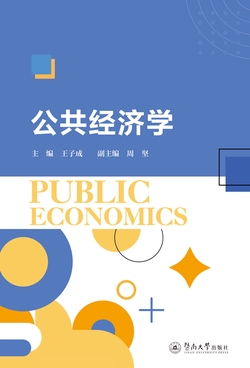
This book is a foundational textbook for public administration programs. Part One introduces the basic definition, research object, and research tasks of public economics; Part Two presents the book's logical thread, basic framework, and main content, serving as a guide to reading and studying the full text; Part Three details the emergence and development of public economics; Part Four discusses the relationship between public economics, as an interdisciplinary field, and other disciplines.
Editor's review
Who it's for
A good fit for
- Upper-level undergraduates and graduate students in economics, public finance, public administration, and related fields, as a core textbook or supplementary reading.
- Policy researchers and practitioners in government departments such as finance, taxation, and development and reform who wish to deepen their theoretical understanding.
- Social science enthusiasts with some economics background and a strong interest in government behavior, public policy, and social welfare issues.
- Candidates preparing for graduate entrance exams in related fields or civil service exams who need systematic review of public economics knowledge.
Not a good fit for
- Readers seeking light entertainment or pure storytelling; this is an academic work with a strong theoretical orientation.
- Complete beginners without basic microeconomics concepts, who may find some models and analyses in the book challenging.
Reading tips
- Reading in chapter order is recommended; the first three chapters establish the theoretical foundation and are particularly essential—do not skip them.
- While reading, use the discussion questions at the end of each chapter to try applying theory to current hot public policy issues, such as tax and fee reductions and local government debt.
- The book can be read alongside the author's academic papers or relevant Chinese fiscal policy white papers for a more dynamic perspective.
About the publisher
Jinan University Press is a comprehensive university press known for publishing in language and writing, history and culture, and medicine. Judging from the 2,481 titles in the database, its publishing focuses on language and writing research, the compilation of unearthed documents, Chinese culture and Eastern philosophy, traditional Chinese medicine, and grassroots medical standards. Representative books include the Chinese Dictionary (Second Edition), the series on the collected interpretation and modern translation of Warring States documents from the Language Services Series and the series on the language of unearthed documents, Chinese Cultural Psychology (6th Edition), Illustrated Compendium of Traditional Chinese Medicine Processing Techniques, and Construction and Technical Standards for Standardized Bronchoscopy Rooms in Primary-Level Pediatrics. In terms of authors, scholars such as Zhu Cheng, Zhang Yujin, Wang Fengyan, Zheng Hong, Cao Hui and Ma Zhiguo form its author base in language and documents, cultural psychology, and traditional Chinese medicine. In terms of publishing characteristics, the press emphasizes the collected interpretation and modern translation of unearthed documents and language service research, while also systematically organizing cultural psychology and medical techniques. Public information on specific matters such as overseas Chinese-language education is limited and is therefore not elaborated here.
Contents
- 版权信息
- 前言
- 第1章 导论
- 1.1 公共经济学体系概述
- 1.1.1 公共经济学的含义
- 1.1.2 公共经济学的研究对象
- 1.1.3 公共经济学的研究任务
- 1.2 公共经济学的研究框架
- 1.3 公共经济学的产生与发展
- 1.4 公共经济学与其他学科的关联
- 1.4.1 公共经济学与财政学
- 1.4.2 公共经济学与政治学
- 1.4.3 公共经济学与公共管理学
- 1.4.4 公共经济学与微观经济学、宏观经济学
- 1.4.5 公共经济学与福利经济学
- 第2章 市场失灵与公共经济
- 2.1 市场体系及其经济效率
- 2.1.1 市场体系
- 2.1.2 资源配置的效率
- 2.2 市场失灵及其表现
- 2.3 政府的经济活动与经济职能
- 2.3.1 政府经济活动的范围
- 2.3.2 政府的经济职能
- 第3章 公共经济主体
- 3.1 公共经济主体的概述与发展趋势
- 3.2 公共经济主体:政府
- 3.2.1 政府的定义及特征
- 3.2.2 政府职能
- 3.2.3 政府失灵
- 3.3 公共经济主体:私人企业
- 3.3.1 私人企业的定义及特征
- 3.3.2 私人企业提供公共产品应具备的条件
- 3.4 公共经济主体:社区
- 3.4.1 社区的含义及特征
- 3.4.2 社区与政府的区别
- 3.5 公共经济主体:NGO
- 3.5.1 NGO的定义及特征
- 3.5.2 NGO兴起的原因及提供公共产品的优势
- 3.6 公共经济主体:国际组织
- 3.6.1 国际组织的定义及特征
- 3.6.2 国际组织的发展与国际公共产品的提供
- 第4章 公共产品理论
- 4.1 公共产品理论概述
- 4.2 公共产品的特征与分类
- 4.2.1 公共产品的特征
- 4.2.2 公共产品的分类
- 4.2.3 纯公共产品与准公共产品的区别
- 4.2.4 公共产品的需求分析:垂直相加
- 4.3 纯公共产品的供给与生产
- 4.3.1 纯公共产品的供给方式——自愿捐献与成本分担
- 4.3.2 “搭便车”问题
- 4.3.3 税收——“搭便车”问题的解决
- 4.3.4 公共产品的典型例子——灯塔
- 4.3.5 纯公共产品最优供给的一般均衡模型
- 4.4 准公共产品的供给与生产
- 4.4.1 边际生产成本为零、边际拥挤成本不为零的准公共产品的提供方式
- 4.4.2 具有利益外溢性特征的准公共产品的提供方式
- 4.4.3 “公地悲剧”与“反公地悲剧”
- 第5章 公共选择理论
- 5.1 公共选择理论概述
- 5.1.1 公共选择理论的内涵
- 5.1.2 公共选择理论产生的历史背景及过程
- 5.1.3 公共选择理论的方法论基础
- 5.2 公共选择机制
- 5.2.1 直接民主制下的公共选择机制
- 5.2.2 代议制民主中的公共选择规则
- 5.3 官僚制理论
- 5.3.1 政府失灵
- 5.3.2 寻租
- 第6章 公共财政支出
- 6.1 公共财政支出概述
- 6.1.1 公共财政支出的分类
- 6.1.2 公共财政支出的方式与影响因素
- 6.1.3 公共财政支出的目标
- 6.2 公共财政支出的规模与效益分析
- 6.2.1 公共财政支出的规模
- 6.2.2 公共财政支出的增长规律
- 6.2.3 公共财政支出的效应分析
- 6.2.4 公共财政支出的效益分析
- 6.3 购买性支出
- 6.3.1 社会消费性支出
- 6.3.2 投资性支出
- 6.4 转移性支出
- 6.4.1 社会保障支出
- 6.4.2 财政补贴支出
- 第7章 公共财政收入
- 7.1 财政收入概述
- 7.1.1 财政收入的统计口径与分类
- 7.1.2 财政收入的演进
- 7.1.3 财政收入的结构
- 7.2 税收原理与税收制度
- 7.2.1 税收原理
- 7.2.2 税收制度
- 7.3 非税收入
- 7.3.1 非税收入概述
- 7.3.2 非税收入的统计口径
- 7.3.3 非税收入的地位与作用
- 7.4 公债
- 7.4.1 公债概述
- 7.4.2 公债的发行、流通、运用和偿还
- 7.4.3 公债的风险及防范
- 第8章 财政预算与财政管理体制
- 8.1 预算原则与预算编制
- 8.1.1 预算原则
- 8.1.2 预算分类
- 8.1.3 预算编制
- 8.2 全面预算管理
- 8.2.1 预算管理概述
- 8.2.2 预算管理的流程
- 8.3 财政管理体制
- 8.3.1 财政管理体制理论
- 8.3.2 财政分权理论下财政体制的设置
- 8.4 分税制与中国财政管理体制改革
- 8.4.1 中国财政体制的变迁与分税制
- 8.4.2 分税制的优点与缺点
- 8.4.3 我国财政管理体制的改革方向
- 第9章 社会保障
- 9.1 社会保障概述
- 9.1.1 国外社会保障制度的产生和发展
- 9.1.2 社会保障概述
- 9.1.3 社会保障的基本内容与功能
- 9.1.4 社会保障制度的国际比较与借鉴
- 9.1.5 社会保障筹资模式的比较分析
- 9.2 社会保险
- 9.2.1 社会保险概述
- 9.2.2 我国社会保险的发展
- 9.3 社会救济
- 9.3.1 社会救济概述
- 9.3.2 社会救济的基本内容
- 9.4 社会福利与社会优抚
- 9.4.1 社会福利概述
- 9.4.2 社会优抚概述
- 第10章 收入分配与公共政策
- 10.1 收入分配理论
- 10.1.1 收入分配概述
- 10.1.2 中国收入分配格局的变化
- 10.2 收入不平等测量
- 10.2.3 泰尔指数
- 10.2.4 阿特金森指数
- 10.2.5 库茨涅兹指数
- 10.2.6 其他指数
- 10.3 公共政策与收入再分配
- 10.3.1 税收政策——劫富济贫
- 10.3.2 社会保障政策
- 10.3.3 重视教育——根除贫困
FAQ
How does this book differ from classic Public Economics textbooks by Mankiw, Stiglitz, and others?
Are there many mathematical formulas? Does it require a strong mathematical foundation?
What is the publication date and how current is the content?
Related on WeRead


Comments
Find this book
This site is an index: you start “Search all sources” in your browser, and the entries it lists all point to third-party sites; please judge their availability yourself.
About the author
Wang Zicheng is an author for whom only limited public information is currently available; his name appears as the author of the finance and economics title Public Economics. Because the database records only this one work, and no verifiable details are available regarding his nationality, dates of birth and death, educational background, or professional experience, it is difficult to sketch a complete biography. Judging from the subject matter, he focuses on economic activity and resource allocation in the public sector, touching on core issues of public economics such as government revenue and expenditure, the provision of public goods, and policy analysis, with the writing aimed at readers in the finance and economics field. On the available evidence, this work is the main basis for understanding his writing orientation, and its exposition emphasizes conceptual clarification and institutional explanation, serving teaching or general reading needs. Readers seeking a fuller understanding of this author will need to await further public information.
Zhou Jian, about whom limited public information is available, has six works recorded under his name, spanning medicine, health, and finance, which indicates a fairly broad range of writing. In traditional medicine, his works include San Yin Ji Yi Bing Zheng Fang Lun, Yi Lin Kou Pu Liu Zhi Mi Shu, Shu Hui Bian, and Yi Lin Xin Lun: Gong Shou Tang Zhen Ji, most of which center on the analysis of diseases and syndromes, clinical experience, and the compilation of medical cases, showing a distinctly practical clinical orientation. In health popularization, The Secret of the Breast: Notes of a Mammary Gland Doctor addresses breast-related knowledge for general readers in the form of a doctor's notes, balancing professionalism with readability. In the field of finance, Public Economics discusses the relationship between the public sector and economic operation. Overall, his writing combines professional grounding with accessible expression, with different emphases for different readerships.
