

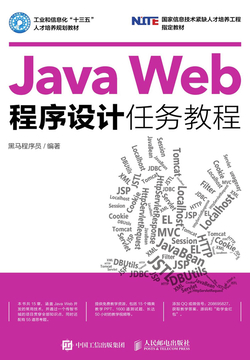
Java Web Programming Task Tutorial
Tags
Summary
Editor's review
Who it's for
A good fit for
- University students in computer-related majors who want to systematically learn Java Web development technologies
- Career newcomers who have just moved into Java Web development and need to quickly get up to speed with real projects
- Self-taught programming enthusiasts who prefer task- and case-driven learning
- Trainees at training institutions seeking supplementary textbooks and exercises that match their courses
Not a good fit for
- Senior engineers with extensive Java Web development experience who want to study advanced architecture or source code in depth
- Readers interested only in pure theory or academic research and not in hands-on coding practice
Reading tips
- Follow the chapters in order and complete the coding and debugging for each task, making sure to practice every concept hands-on
- While reading, consult official documentation or online technical communities to update the versions of the frameworks and tools covered and extend your knowledge
- After completing all the tasks in the book, try designing a small web application independently to integrate and consolidate the skills you have learned
About the publisher
Posts & Telecom Press is known for its strengths in science and technology, computing, and information and communications titles, and has extended its publishing into photography, art, software learning, and inspirational growth, giving it a fairly diverse range. Its catalog includes computing and communications works such as Refactoring and Patterns (Revised Edition) and Huawei Switch Learning Guide (Second Edition), alongside bilingual collector's editions such as The Little Prince (Chinese-English-French illustrated collector's edition), The Great Gatsby, and Three Days to See. Beijing Ten Years: 1980-1990 and Ghost Blade: WLOP Personal Illustration Collection reflect its presence in photography and art. Its authors include Antoine de Saint-Exupéry, Helen Keller, Joshua Kerievsky, Wang Da, Zhang Zhaozeng, and WLOP.
Contents
- 版权信息
- 内容提要
- 序言
- 前言
- 第1章 网页开发基础
- 1.1 HTML技术
- 1.1.1 HTML简介
- 1.1.2 单标记和双标记
- 1.1.3 文本控制与文本样式标记
- 1.1.4 图像标记
- 1.1.5 表格标记
- 1.1.6 表单标记
- 1.1.7 列表标记和超链接标记
- 1.1.8 <div>标记
- 1.2 CSS技术
- 1.2.1 简介
- 1.2.2 CSS样式的引用方式
- 1.2.3 CSS选择器和常用属性
- 1.3 JavaScript基础
- 1.3.1 DOM相关知识
- 1.3.2 JavaScript概述
- 1.3.3 JavaScript的使用
- 1.4 阶段案例:传智书城页面设计
- 【任务 1-1】传智书城首页设计
- 【任务 1-2】传智书城注册页面设计
- 1.5 本章小结
- 第2章 Java Web概述
- 2.1 XML基础
- 2.1.1 XML概述
- 2.1.2 XML语法
- 2.1.3 DTD约束
- 2.1.4 Schema约束
- 2.2 HTTP协议
- 2.2.1 HTTP概述
- 2.2.2 HTTP请求消息
- 2.2.3 HTTP响应消息
- 2.3 Tomcat
- 2.3.1 Tomcat简介
- 2.3.2 Tomcat的安装和启动
- 2.3.3 Tomcat诊断
- 2.3.4 Web应用
- 【任务 2-1】在Eclipse中配置Tomcat
- 2.4 本章小结
- 第3章 Servlet基础
- 3.1 Servlet概述
- 3.2 Servlet开发入门
- 3.2.1 Servlet接口及其实现类
- 3.2.2 实现第一个Servlet程序
- 3.2.3 Servlet的生命周期
- 3.3 Servlet应用——HttpServlet类
- 【任务 3-1】使用Eclipse工具开发Servlet
- 【任务 3-2】实现Servlet虚拟路径的映射
- 3.4 ServletConfig和ServletContext
- 3.4.1 ServletConfig接口
- 3.4.2 ServletContext接口
- 3.5 本章小结
- 第4章 请求和响应
- 4.1 HttpServletResponse对象
- 4.1.1 发送状态码相关的方法
- 4.1.2 发送响应消息头相关的方法
- 4.1.3 发送响应消息体相关的方法
- 4.2 HttpServletResponse应用
- 【任务 4-1】解决中文输出乱码问题
- 【任务 4-2】实现网页定时刷新并跳转
- 实现请求重定向
- 4.3 HttpServletRequest对象
- 4.3.1 获取请求行信息的相关方法
- 4.3.2 获取请求消息头的相关方法
- 4.4 HttpServletRequest应用
- 4.4.1 获取请求参数
- 【任务 4-3】解决请求参数的中文乱码问题
- 4.4.2 通过Request对象传递数据
- 4.5 RequestDispatcher对象的应用
- 4.5.1 RequestDispatcher接口
- 4.5.2 请求转发
- 4.5.3 请求包含
- 4.6 本章小结
- 第5章 会话及其会话技术
- 5.1 会话概述
- 5.2 Cookie对象
- 5.2.1 什么是Cookie
- 5.2.2 Cookie API
- 【任务 5-1】显示用户上次访问时间
- 5.3 Session对象
- 5.3.1 什么是Session
- 5.3.2 HttpSession API
- 5.3.3 Session超时管理
- 5.4阶段案例
- 【任务 5-2】实现购物车
- 【任务 5-3】实现用户登录
- 5.5 本章小结
- 第6章 JSP技术
- 6.1 JSP概述
- 6.1.1 什么是JSP
- 6.1.2 编写第一个JSP文件
- 6.1.3 JSP运行原理
- 6.2 JSP基本语法
- 6.2.1 JSP脚本元素
- 6.2.2 JSP注释
- 6.3 JSP指令
- 6.3.1 page指令
- 6.3.2 include指令
- 6.4 JSP隐式对象
- 6.4.1 隐式对象的概述
- 6.4.2 out对象
- 6.4.3 pageContext对象
- 6.4.4 exception对象
- 6.5 JSP动作元素
- 6.5.1 <jsp:include>动作元素
- 6.5.2 <jsp:forward>动作元素
- 6.6 阶段案例:传智书城JSP页面
- 【任务 6-1】实现首页
- 【任务 6-2】实现注册页面
- 6.7 本章小结
- 第7章 EL表达式和JSTL
- 7.1 初识JavaBean
- 7.1.1 什么是JavaBean
- 7.1.2 访问JavaBean的属性
- 7.1.3 BeanUtils工具
- 7.2 EL表达式
- 7.2.1 初识EL
- 7.2.2 EL中的标识符
- 7.2.3 EL中的保留字
- 7.2.4 EL中的变量
- 7.2.5 EL中的常量
- 7.2.6 EL中的运算符
- 7.2.7 EL隐式对象
- 7.3 JSTL
- 7.3.1 什么是JSTL
- 7.3.2 JSTL的下载和使用
- 7.3.3 JSTL中的Core标签库
- 7.4 本章小结
- 第8章 Servlet高级
- 8.1 Filter过滤器
- 8.1.1 什么是Filter
- 8.1.2 实现第一个Filter 程序
- 8.1.3 Filter映射
- 8.1.4 Filter链
- 8.1.5 FilterConfig接口
- 【任务 8-1】使用Filter实现用户自动登录
- 【任务 8-2】使用Filter实现统一全站编码
- 8.2 Listener监听器——Servlet事件监听器概述
- 【任务 8-3】监听域对象的生命周期
- 【任务 8-4】监听域对象的属性变更
- 8.3 本章小结
- 第9章 JDBC
- 9.1 什么是JDBC
- 9.2 JDBC常用的API
- 9.2.1 Driver接口
- 9.2.2 DriverManager类
- 9.2.3 Connection接口
- 9.2.4 Statement接口
- 9.2.5 PreparedStatement 接口
- 9.2.6 ResultSet接口
- 9.3 实现第一个JDBC程序
- 9.4 PreparedStatement对象
- 9.5 ResultSet对象
- 【任务 9】使用JDBC完成数据的增删改查
- 9.6 本章小结
- 第 10 章 数据库连接池与DBUtils工具
- 10.1 数据库连接池
- 10.1.1 什么是数据库连接池
- 10.1.2 DataSource接口
- 10.1.3 DBCP数据源
- 10.1.4 C3P0 数据源
- 10.2 DBUtils工具
- 10.2.1 DBUtils工具介绍
- 10.2.2 QueryRunner类
- 10.2.3 ResultSetHandler接口
- 10.2.4 ResultSetHandler实现类
- 【任务 10】使用DBUtils实现增删改查
- 10.3 本章小结
- 第 11 章 JSP开发模型
- 11.1 JSP开发模型
- 11.2 MVC设计模式
- 【任务 11】按照Model2 思想实现用户注册功能
- 11.3 本章小结
- 第 12 章 文件上传和下载
- 12.1 如何实现文件上传
- 12.2 文件上传的相关API
- 12.2.1 FileItem接口
- 12.2.2 DiskFileItemFactory类
- 12.2.3 ServletFileUpload类
- 【任务 12-1】实现文件上传
- 12.3 文件下载
- 【任务 12-2】实现文件下载
- 【任务 12-3】解决下载中文文件乱码问题
- 12.4 本章小结
- 第 13 章 传智书城项目设计
- 13.1 项目概述
- 13.1.1 需求分析
- 13.1.2 功能结构
- 13.1.3 项目预览
- 13.2 数据库设计
- 13.2.1 E-R图设计
- 13.2.2 数据表结构
- 13.3 项目环境搭建
- 13.4 本章小结
- 第 14 章 传智书城前台程序设计
- 14.1 用户注册和登录模块
- 【任务 14-1】实现用户注册功能
- 【任务 14-2】实现用户登录功能
- 14.2 购物车模块
- 【任务 14-3】实现购物车的基本功能
- 【任务 14-4】实现订单的相关功能
- 14.3 图书信息查询模块
- 【任务 14-5】实现商品分类导航栏
- 【任务 14-6】实现图书搜索功能
- 【任务 14-7】实现公告板和本周热卖功能
- 14.4 本章小结
- 第 15 章 传智书城后台程序设计
- 15.1 后台管理系统概述
- 15.2 商品管理模块
- 【任务 15-1】实现查询商品列表功能
- 【任务 15-2】实现添加商品信息功能
- 【任务 15-3】实现编辑商品信息功能
- 【任务 15-4】实现删除商品信息功能
- 15.3 销售榜单模块
- 【任务 15-5】实现销售榜单下载功能
- 15.4 订单管理模块
- 【任务 15-6】实现查询订单列表功能
- 【任务 15-7】实现查看订单详情功能
- 【任务 15-8】实现删除订单功能
- 15.5 本章小结
- 附录 SSH轻量级框架介绍
FAQ
Is this book suitable for complete programming beginners?
Is the technology stack in the book outdated?
Do I need to set up a special development environment?
Related on WeRead

Comments
Find this book
This site is an index: you start “Search all sources” in your browser, and the entries it lists all point to third-party sites; please judge their availability yourself.
About the author
Heima Programmer is an IT education brand and textbook-writing team under Itcast (Chuanzhi Education), initiated by Zhang Xiaoxiang. It has long focused on developing practical textbooks in areas such as Java, Python, front-end development, and big data, with many of its works published by Posts & Telecom Press. As a collectively credited author, Heima Programmer is not a single individual but a writing team centered on teaching and course development, and its works emphasize hands-on practice and project-driven learning. The library contains 26 of its titles, including representative works such as Software Testing, Modern Methods of Python Programming, Fundamentals of Microservice Architecture (Spring Boot+Spring Cloud+Docker), Java Web Programming Task Tutorial, JavaScript Front-End Development Case Tutorial, Web Design and Production Project Tutorial (HTML+CSS+JavaScript), PHP Basic Case Tutorial, and Java EE Enterprise Application Development Tutorial (Spring+Spring MVC+MyBatis). These works cover categories such as programming design, software learning, computer fundamentals, and examinations. Its writing style relies on cases and task guidance to serve IT learners at both introductory and advanced levels. Public information is limited, so no further biographical details are provided beyond the above.
