

Unleavened Bread
Tags
Summary
Editor's review
Who it's for
A good fit for
- Enthusiasts of late-19th- to early-20th-century American literature interested in social fiction
- Readers studying women's writing and gender issues who need the original text
- Readers of long English novels comfortable with a slow-paced psychological narrative
- Collectors of public-domain literary ebooks looking to broaden their reading of Grant
Not a good fit for
- Readers who prefer strong plots and fast-paced stories
- Beginners with limited English reading stamina who need annotated support
- Readers expecting direct interpretation through modern feminist theory
Reading tips
- Read the opening chapters first to gauge the narrative pace and character relationships before deciding whether to read the whole book.
- As you read, note each choice the protagonist makes between marriage and independence and trace how her motives change.
- Pair the novel with historical material on women's social status in late-19th-century America to understand the pressure of norms in the book.
- If reading stalls, start with a Chinese translation or plot summary, then return to the original for key chapters.
About the publisher
Project Gutenberg is a digital publishing project focused on public-domain ebooks. Its publishing direction centers on classic literary works whose copyright has expired, covering genres such as poetry, drama, fiction, and epic. Representative books include Lyrical Ballads by Wordsworth and Coleridge, Proust's Du côté de chez Swann, Shakespeare's Macbeth and The Complete Works of William Shakespeare, Homer's The Iliad, Dante's La Divina Comèdia: Purgatòri, Cervantes's The History of Don Quixote, Volume 2, and Grahame's The Wind in the Willows. Its author resources consist mainly of classic Western writers such as Wordsworth, Proust, Shakespeare, Homer, Dante, Cervantes, Grahame, and Tolstoy. Its publishing feature is the provision of freely accessible ebooks in EPUB and Kindle formats; it is not a traditional publisher, and publicly available information is limited.
Contents
- 1
- 2
- 3
- 4
- 5
- 6
- 7
- 8
- 9
- 10
- 11
- 12
- 13
- 14
- 15
- 16
- 17
- 18
- 19
- 20
- 21
- 22
- 23
- 24
- 25
- 26
- 27
- 28
- 29
- 30
- 31
- 32
- 33
- 34
- 35
- 36
- 37
- 38
- 39
- 40
- 41
- 42
- 43
- 44
- 45
- 46
- 47
- 48
- 49
- 50
- 51
- 52
- 53
- 54
- 55
- 56
- 57
- 58
- 59
- 60
- 61
- 62
- 63
- 64
- 65
- 66
- 67
- 68
- 69
- 70
- 71
FAQ
What does the book's title mean?
Can I understand it without modern annotations?
Is this book suitable as English-learning material?
Related on WeRead
 The Antiquities of the Jews
 罗马帝国衰亡史(英文原版)The History of the Decline and Fall of the Roman Empire
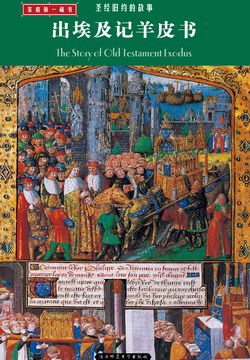 圣经旧约的故事:出埃及记羊皮书
 西方文明起源导读(英汉对照版)
 写给无神论者(中英双语插图本)
Comments
Find this book
This site is an index: you start “Search all sources” in your browser, and the entries it lists all point to third-party sites; please judge their availability yourself.
About the author
Robert Grant (1852–1940) was an American writer about whom few details of his life and education are publicly available; eight of his works are held in this collection. Taken together, they show a broad range. Novels such as Unleavened Bread, The Undercurrent and The Orchid turn largely to social questions—marriage, gender roles and social mobility—with a tone of moral observation and irony. The Art of Living, The Opinions of a Philosopher and Search-Light Letters lean toward essays and reflection, plain in style and clear in argument, while The Law-Breakers and Other Stories and A Romantic Young Lady show that he also wrote short fiction and character sketches. His work is marked by realistic subjects and gentle satire.
