

Maiolica
Tags
Summary
Editor's review
Who it's for
A good fit for
- Ceramic collectors and antique connoisseurs
- Researchers of decorative arts and craft history
- Museum professionals in ceramics-related roles
- Art students seeking basic knowledge of maiolica
Not a good fit for
- Readers wanting only a modern picture-guide for quick identification
- Readers wholly unfamiliar with and uninterested in European decorative arts
- Specialist researchers expecting the latest archaeological dating conclusions
Reading tips
- Read the definition and technique chapters first to establish basic concepts of maiolica, then move on to styles and kiln sites.
- Read alongside museum collections or high-resolution catalogues, matching terminology to physical features.
- Treat the book's dating and attribution views with caution and cross-check with contemporary ceramic history research.
About the publisher
Project Gutenberg is a digital publishing project focused on public-domain ebooks. Its publishing direction centers on classic literary works whose copyright has expired, covering genres such as poetry, drama, fiction, and epic. Representative books include Lyrical Ballads by Wordsworth and Coleridge, Proust's Du côté de chez Swann, Shakespeare's Macbeth and The Complete Works of William Shakespeare, Homer's The Iliad, Dante's La Divina Comèdia: Purgatòri, Cervantes's The History of Don Quixote, Volume 2, and Grahame's The Wind in the Willows. Its author resources consist mainly of classic Western writers such as Wordsworth, Proust, Shakespeare, Homer, Dante, Cervantes, Grahame, and Tolstoy. Its publishing feature is the provision of freely accessible ebooks in EPUB and Kindle formats; it is not a traditional publisher, and publicly available information is limited.
Contents
- 1
- 2
- 3
- 4
- 5
- 6
- 7
- 8
- 9
- 10
- 11
- 12
- 13
- 14
- 15
- 16
- 17
- 18
- 19
- 20
- 21
- 22
- 23
- 24
- 25
- 26
- 27
- 28
- 29
FAQ
What exactly is maiolica?
Is this book suitable as an identification manual?
Can someone without a ceramics background read it?
Related on WeRead
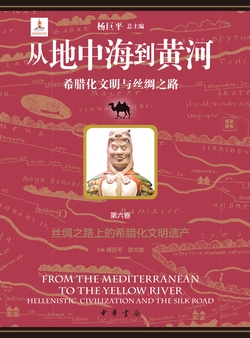 从地中海到黄河——希腊化文明与丝绸之路【套装全六册】【第六分册】【中华书局出品】
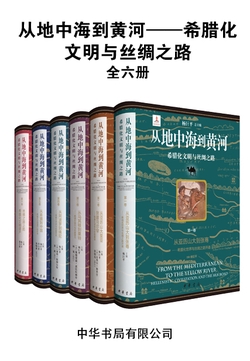 从地中海到黄河——希腊化文明与丝绸之路【套装全六册】【中华书局出品】
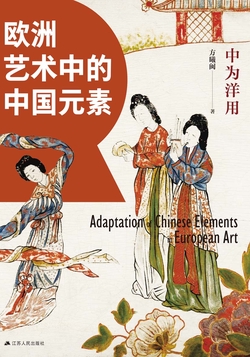 中为洋用:欧洲艺术中的中国元素
 青花瓷的故事
 天际线丛书系列(共8册)
Comments
Find this book
This site is an index: you start “Search all sources” in your browser, and the entries it lists all point to third-party sites; please judge their availability yourself.
About the author
C. Drury E. Fortnum (Charles Drury Edward Fortnum, 1820–1899) was a British art historian and collector who worked for many years at the South Kensington Museum and studied Italian Renaissance decorative arts. Public information about his early education, family background and the details of his appointment is limited, and present-day knowledge of his life centres mainly on his museum work and collecting activities. His representative work, Maiolica, focuses on Italian tin-glazed pottery and belongs to the study of applied and decorative arts, reflecting nineteenth-century British scholars' interest in Renaissance ceramics and their methods of connoisseurship. The book generally takes object types, ornament and workshop origins as its threads, with an emphasis on empirical description and cataloguing and a plain style; it is one of the important early English works on maiolica and has had a lasting influence on later ceramic history and museum collection research.
