

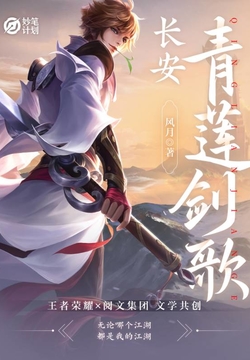
The Hidden Sword in Chang'an
Tags
Summary
Editor's review
Who it's for
A good fit for
- Tang history enthusiasts interested in the An Lushan Rebellion and the mid-Tang transition
- Literary readers who enjoy narratives built around historical figures
- General readers seeking to understand the decline of the High Tang from multiple social perspectives
- Historical fiction writers who may draw on its perspective shifts and scene-setting
Not a good fit for
- Specialist researchers requiring strict source criticism and scholarly annotation
- Readers preferring light romance or fast-paced web novels
- Readers uninterested in ancient political relationships who seek only plot excitement
Reading tips
- Before reading, review the timeline of the four reigns from Xuanzong to Dezong and the An Lushan Rebellion to follow the shifts in perspective.
- Treat Li Bi as the main thread; when scholars, common people, or soldiers appear, note how the author presents responsibility and sacrifice differently.
- After reading, compare with general Tang histories to distinguish literary narrative from recorded fact and form your own judgment.
Contents
- 第1章 风起陇西
- 第2章 大唐铁骑
- 第3章 锒铛入狱
- 第4章 有所求
- 第5章 天子一怒
- 第6章死生
- 第7章诗才
- 第8章人不如故
- 第9章人不如故
- 第1 0章今日无人及第
- 第11章一朝得志
- 第12章陛下英明
- 第13章从戎
- 第14章兵车行
- 第15章偏师
- 第16章行路难
- 第17章夜袭
- 第18章深入敌后
- 第19章铁刃悉诺罗
- 第20章草原上的追逐
- 第21章破敌
- 第22章积石军
- 第23章去留决断
- 第24章奔袭
- 第25章山雨欲来
- 第26章民心可用
- 第27章蚁附攻城
- 第28章唐人的抵抗
- 第29章破军
- 第30章前后夹击
- 第31章大获全胜
- 第32章献捷
- 第33章古来征战几人回
- 第34章虢国夫人
- 第35章何所求
- 第36章贬谪蕲春郡
- 第37章不知所踪
- 第38章九曲部落
- 第39章回长安
- 第40章痴肥的安禄山
- 第41章最忠诚的杨国忠
- 第42章剑器舞
- 第43章公孙婉儿
- 第44章深夜的一缕剑光
- 第45章李猪儿
- 第46章罂子谷伏击战
- 第47章 潼关路
- 第48章 冤!
- 第49章 辞归
- 第50章 大敌当前
- 第51章 神策军
- 第52章 夫战,勇气也
- 第53章 安庆绪之败
- 第54章 严庄之谋
- 第55章 肉食者鄙
- 第56章 欲挽天倾
- 第57章 第三道圣旨
- 第58章 恸哭出关
- 第59章 火烧栈道
- 第60章 潼关败
- 第61章 余烬
- 第62章 最后的努力
- 第63章 长安乱
- 第64章 皇孙李豫
- 第65章 三问杨国忠
- 第66章 杨国忠的谋划
- 第67章 火烧潼关
- 第68章 哀兵
- 第69章 皇朝落暮
- 第70章 陈玄礼的愤怒
- 第71章 忠义无双杨国忠
- 第72章 皇帝幸蜀
- 第73章 神策军
- 第74章 长安乱
- 第75章 帝王落魄时
- 第76章 一壶浊酒吐真言
- 第77章 战乱见人心
- 第78章 杨国忠的野望
- 第79章 愿追随宰相
- 第80章 马嵬坡
- 第81章 杀杨
- 第82章 禁军之乱
- 第83章 朝天子
- 第84章 不以权谋为功
- 第85章 请先生出山
- 第86章 扶风对
- 第87章 朝堂上的修道人
- 第88章 若不想死
- 第89章 李泌抓鬼
- 第90章 正月初一
- 第91章 密谋弑君
- 第92章 死之将至
- 第93章 洛阳宫内
- 第94章 严庄的野望
- 第95章 范阳道上
- 第96章 破竹
- 第97章 太守的喜与愁
- 第98章 十字坡前
- 第99章 去否去否
- 第100章 史大郎
- 第101章 史思明其人
- 第102章 投而不降
- 第103章 一份降表 两份心思
- 第104章 严庄心中的刺
- 第105章 两难
- 第106章 嫡庶
- 第107章 密旨
- 第108章 香积寺血战
- 第109章 首战不利
- 第110章 疾风识劲草
- 第111章 危难见英雄
- 第112章 持弩者
- 第113章 曳落长河
- 第114章 香积寺大捷
- 第115章 两封奏章
- 第116章 崤山大捷
- 第117章 再度归隐
- 第118章 恶有恶报
- 第119章 李归仁造反
- 第120章 羊入虎口
- 第121章 史思明归降
- 第122章 范阳变
- 第123章 史思明的陷阱
- 第124章 耿仁智殉国
- 第125章 蝶逝
- 第126章 伤隐
- 第127章 安庆绪的困局
- 第128章 邺郡之围
- 第129章 天灾与人祸
- 第130章 安庆绪之死
- 第131章 帝星昏暗
- 第132章 鹿桥驿
- 第133章 天下如棋
- 第134章 皇帝最后的时光
- 第135章 长生殿内
- 第136章 太监拜相
- 第137章 李泌的新居
- 第138章 佳人如玉
- 第139章 幼妻
- 第140章 剑隐长安
FAQ
Is this book historical fiction or historical research?
Can I read it without knowing Li Bi?
Why does the book include scholars, common people, and soldiers?
Related on WeRead



Comments
Find this book
This site is an index: you start “Search all sources” in your browser, and the entries it lists all point to third-party sites; please judge their availability yourself.
About the author
Qixin Haitang is an author about whom relatively limited public information is currently available; details such as nationality, dates of birth and death, and true identity have not been clearly recorded, and only one work by this author is held in the collection. According to the available information, the representative work is Hidden Sword in Chang'an, a book commonly classified as historical reading. As for its subject matter, "Chang'an" in the title points to an ancient capital setting, while "hidden sword" suggests a concealed tension between the martial world and officialdom, indicating that the work likely unfolds its narrative against a historical backdrop with elements of martial arts or political intrigue. Since no further works or biographical materials about the author are available for examination, a complete picture of the author's writing style is difficult to outline, and only a preliminary observation of this single work can be made. For readers interested in learning about this author, Hidden Sword in Chang'an is currently the most direct entry point, and whether more works will appear remains to be seen as further information becomes available.
