

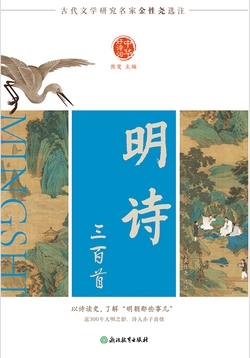
Three Hundred Ming Ci Poems
Tags
Summary
The preface offers a relatively objective and finely detailed analysis of the overall landscape of Ming ci, its trajectory of development, and its intellectual and artistic achievements and stylistic features. Ming-dynasty ci is a comparatively neglected area of ci scholarship; through this poetry we can also catch a glimpse of the overall ethos and individual moods of that era.
Editor's review
Who it's for
A good fit for
- Readers interested in classical Chinese poetry, especially the development of ci after the Song dynasty
- University students or researchers seeking a systematic understanding of Ming literature and a fuller map of literary history
- Readers who enjoy savoring literary works in their historical context
- Readers looking for an anthology of ci with high editorial standards and scholarly reference value
Not a good fit for
- Readers seeking light, purely entertaining reading with strong narrative drive
- Beginners who wish to focus only on the classic ci poets of the Tang and Song
Reading tips
- Read alongside the historical background of the Ming dynasty to appreciate the spirit of the age and the fate of literati embodied in the ci
- Read in comparison with anthologies of Song ci to sense the continuity and change of ci style from Song to Ming
- Pay attention to the editor's commentary to learn methods for appreciating the artistic features of ci
About the publisher
Founded in August 1958 and restructured into Baihua Literature and Art Publishing House (Tianjin) Co., Ltd. in 2009, Baihua Literature and Art Publishing House is known for publishing essays and fiction, and it hosts the journals Fiction Monthly and Essays. Its 757 titles in the library span classic works, culture, folk literature, essays and miscellaneous writings, foreign literature, and general biography. They include Lao She's Camel Xiangzi, Zhu Ziqing's selected essays and Classic Essays, Fu Lei's Twenty Lectures on Masterpieces of World Art, and a Chinese translation of Ryūnosuke Akutagawa's Rashōmon, as well as cultural and performing-arts titles such as the illustrated Biography of Liang Qichao and A Dictionary of Crosstalk. Its authors include Lao She, Zhu Ziqing, Wu Qichang, Fu Lei, Xue Baokun, Gao Yucong, Wei Zhiqiang, and Ryūnosuke Akutagawa.
Contents
- 版权信息
- 前言
- 谢应芳
- 忆王孙
- 点绛唇
- 一剪梅
- 水调歌头
- 蓦山溪
- 陶宗仪
- 念奴娇
- 木兰花慢
- 贝琼
- 风入松
- 水龙吟
- 张以宁
- 浪淘沙
- 明月生南浦
- 倪瓒
- 人月圆
- 江城子
- 江南春
- 梁寅
- 破阵子
- 鱼游春水
- 八声甘州
- 刘基
- 眼儿媚
- 浣溪沙
- 小重山
- 千秋岁
- 八六子
- 水龙吟
- 沁园春
- 一萼红
- 瑞龙吟
- 陶安
- 水调歌头
- 水调歌头
- 杨基
- 清平乐
- 清平乐
- 西江月
- 蝶恋花
- 青玉案
- 夏初临
- 多丽
- 王蒙
- 忆秦娥
- 杨范
- 鹧鸪天
- 朱元璋
- 缺调名
- 魏观
- 水调歌头
- 刘炳
- 忆秦娥
- 虞美人
- 木兰花慢
- 董纪
- 唐多令
- 韩奕
- 四字令
- 河传
- 王行
- 如梦令
- 一江春水
- 踏莎行
- 高启
- 行香子
- 天仙子
- 江城子
- 念奴娇
- 石州慢
- 贺新郎
- 沁园春
- 程本立
- 清平乐
- 韩守益
- 苏武慢
- 黎贞
- 醉太平
- 折桂令
- 瞿祐
- 摸鱼儿
- 水调歌头
- 贺新郎
- 张肯
- 浪淘沙
- 林鸿
- 念奴娇
- 玉漏迟
- 八声甘州
- 玲珑四犯
- 张红桥
- 黄金缕
- 念奴娇
- 玉漏迟
- 胡俨
- 调笑令
- 竹枝
- 杨士奇
- 桂殿秋
- 解缙
- 长相思
- 凌云翰
- 蝶恋花
- 蝶恋花
- 苏武慢
- 陈山
- 临江仙
- 聂大年
- 卜算子
- 徐有贞
- 玉连环
- 千秋岁引
- 商辂
- 鹧鸪天
- 沈周
- 唐多令
- 马洪
- 卜算子
- 满庭芳
- 东风第一枝
- 凤凰台上忆吹箫
- 史鉴
- 解连环
- 吴宽
- 采桑子
- 桑悦
- 苏武慢
- 李东阳
- 满庭芳
- 杨循吉
- 洞仙歌
- 锁懋坚
- 菩萨蛮
- 蒋冕
- 卜算子
- 祝允明
- 长相思
- 费宏
- 西江月
- 唐寅
- 一剪梅
- 文徵明
- 南乡子
- 满江红
- 满江红
- 陈霆
- 踏莎行
- 王廷相
- 苏幕遮
- 阮郎归
- 边贡
- 踏莎行
- 顾璘
- 减字木兰花
- 周用
- 诉衷情
- 喜迁莺
- 陆深
- 念奴娇
- 夏言
- 浣溪沙
- 满江红
- 念奴娇
- 陈铎
- 浣溪沙
- 杨慎
- 转应曲
- 浪淘沙
- 鹧鸪天
- 少年游
- 临江仙
- 临江仙
- 临江仙
- 张綖
- 临江仙
- 风流子
- 水龙吟
- 陈儒
- 念奴娇
- 李濂
- 柳梢青
- 吴子孝
- 南乡子
- 浪淘沙
- 水龙吟
- 黄娥
- 巫山一段云
- 风入松
- 满庭芳
- 刘碧
- 浪淘沙
- 吴承恩
- 临江仙
- 王凤娴
- 临江仙
- 浣溪沙
- 李攀龙
- 长相思
- 浪淘沙
- 徐渭
- 意难忘
- 王世贞
- 忆江南
- 菩萨蛮
- 渔家傲
- 临江仙
- 玉蝴蝶
- 满江红
- 屠隆
- 清江裂石
- 绿水曲
- 马守贞
- 蝶恋花
- 郑如英
- 临江仙
- 浪淘沙
- 赵燕
- 长相思
- 汤显祖
- 阮郎归
- 好事近
- 小青
- 天仙子
- 高濂
- 西江月
- 赵南星
- 水龙吟
- 林章
- 采桑子
- 河满子
- 袁黄
- 鹧鸪天
- 董其昌
- 满庭芳
- 陈继儒
- 点绛唇
- 钗头凤
- 俞彦
- 长相思
- 孙承宗
- 阳关引
- 浣溪沙
- 塞翁吟
- 水龙吟
- 袁宏道
- 竹枝词
- 魏大中
- 临江仙
- 陈翼飞
- 字字双
- 袁彤芳
- 长相思
- 瞿寄安
- 长相思
- 徐媛
- 渔家傲
- 陆卿子
- 忆秦娥
- 顾宜人
- 忆旧游
- 雨霖铃
- 张杞
- 浣溪沙
- 权贵妃
- 踏莎行
- 胡文焕
- 昭君怨
- 江城子
- 徐石麒
- 拂霓裳
- 施绍莘
- 谒金门
- 浣溪沙
- 菩萨蛮
- 雨霖铃
- 谢小湄
- 清平乐
- 苏世让
- 忆王孙
- 顾众
- 浪淘沙
- 王屋
- 临江仙
- 沈宜修
- 忆王孙
- 水龙吟
- 陆钰
- 曲游春
- 项兰贞
- 摊破浣溪沙
- 李天植
- 唐多令
- 陈洪绶
- 菩萨蛮
- 鹧鸪词
- 京师妓
- 瑞鹧鸪
- 沈际飞
- 虞美人
- 天随子
- 南乡子
- 过夏子
- 忆少年
- 张娴倩
- 菩萨蛮
- 卢象昇
- 渔家傲
- 张肯堂
- 满江红
- 商景兰
- 捣练子
- 青玉案
- 张倩倩
- 蝶恋花
- 万寿祺
- 浣溪沙
- 双调望江南
- 徐士俊
- 念奴娇
- 葛一龙
- 忆王孙
- 卓人月
- 瑞鹧鸪
- 杨宛
- 浪淘沙
- 王微
- 天仙子
- 醉春风
- 汤传楹
- 南乡子
- 徐之瑞
- 水龙吟
- 夏允彝
- 千秋岁引
- 刘淑
- 鹧鸪天
- 临江仙
- 黄莺儿
- 陈子龙
- 浣溪沙
- 点绛唇
- 诉衷情
- 画堂春
- 望仙楼
- 山花子
- 虞美人
- 唐多令
- 临江仙
- 江城子
- 念奴娇
- 二郎神
- 叶纨纨
- 锁窗寒
- 黄周星
- 满庭芳
- 杜濬
- 浣溪沙
- 浣溪沙
- 朱一是
- 二郎神
- 沈龙
- 蓦山溪
- 玉蝴蝶
- 吴易
- 满江红
- 浪淘沙
- 渔家傲
- 念奴娇
- 水龙吟
- 叶小纨
- 浣溪沙
- 归庄
- 锦堂春
- 朝中措
- 金堡
- 小重山
- 满江红
- 水调歌头
- 八声甘州
- 风流子
- 蒋平阶
- 望江南
- 临江仙
- 虞美人
- 长相思
- 计南阳
- 花非花
- 魏允楠
- 金明池
- 彭孙贻
- 满江红
- 水调歌头
- 西河
- 叶小鸾
- 南歌子
- 踏莎行
- 疏帘淡月
- 许大就
- 满江红
- 余怀
- 桂枝香
- 浣溪沙
- 念奴娇
- 沁园春
- 摸鱼儿
- 王夫之
- 青玉案
- 更漏子
- 玉楼春
- 蝶恋花
- 风流子
- 惜馀春慢
- 烛影摇红
- 绮罗香
- 望梅
- 摸鱼儿
- 摸鱼儿
- 张煌言
- 柳梢青
- 长相思
- 满江红
- 满江红
- 沈谦
- 东风无力
- 董白
- 河满子
- 陆宏定
- 望湘人
- 徐石麒
- 柳梢青
- 祝英台近
- 沈永启
- 玉楼春
- 玉楼春
- 满江红
- 贺裳
- 木兰花慢
- 刘胜
- 苏幕遮
- 马如玉
- 凤凰台上忆吹箫
- 屈大均
- 浣溪沙
- 浣溪沙
- 潇湘神
- 梦江南
- 虞美人
- 江城梅花引
- 紫萸香慢
- 长亭怨
- 念奴娇
- 高阳台
- 夏完淳
- 采桑子
- 卜算子
- 忆秦娥
- 寻芳草
- 一剪梅
- 婆罗门引
- 鱼游春水
- 烛影摇红
- 满江红
- 顾贞立
- 虞美人
- 满江红
- 百字令
- 吴朏
- 满江红
- 曹元方
- 汉宫春
- 陈恭尹
- 白苎
FAQ
What are the selection criteria for this book?
Are the annotations and interpretations detailed and easy to understand?
How does this book differ from "Complete Ming Ci"?
Related on WeRead



Comments
Find this book
This site is an index: you start “Search all sources” in your browser, and the entries it lists all point to third-party sites; please judge their availability yourself.
About the author
Zhang Zhang: public information is limited. At present, only two works are known under this name: Three Hundred Ming Ci Poems and The Best Shopping Mall Circulation Design Presentation, which fall into the quite different categories of classical poetry and architecture. The former is presumably an anthology of Ming dynasty ci poetry, offering readers a path to the original works in a selection of three hundred pieces; the choice of subject itself shows an attention to Ming-era ci scholarship. The latter focuses on methods for presenting internal circulation design in shopping malls, a practical subject within commercial architecture and spatial design. The coexistence of these two works under one author reflects interests spanning classical literature and contemporary architectural presentation, an unusually wide range. Because biographical details, identity and professional background cannot be verified, no speculation is offered here; only the thematic orientation of the surviving works is noted, and fuller author information awaits future supplementation.
Liu Zhuoying is an author about whom little public information is currently available; details such as nationality, dates of birth and death, and an English name remain unconfirmed. According to library records, only one work appears under this name: Three Hundred Ming Ci Poems, classified under classical poetry. Ming-dynasty ci has long been neglected in the study of ci history, and anthologies of it are far fewer than those of Song and Qing ci. By adopting the scale of “three hundred poems,” Liu Zhuoying's compilation presumably aims to select representative works from the Ming ci scene and offer general readers an accessible anthology for reading aloud and reference. On the available evidence, it is difficult to describe in detail the editorial principles, annotation format, or scholarly background of the book, but it may be inferred that the author has some familiarity with and experience in organizing Ming verse. The publication of this book helps readers recognize the continuation and transformation of Ming ci after the Tang and Song, and opens a window for enthusiasts of classical poetry to understand Ming-dynasty ci works.
