

Dacheng Safety
Tags
Summary
Editor's review
Who it's for
A good fit for
- Practitioners in traffic planning and municipal construction concerned with tunnel operation safety
- Researchers in emergency management and urban safety who need approaches to risk prevention
- Upper-level undergraduate and graduate students in traffic engineering and civil engineering
- Technical personnel involved in drafting and reviewing standards for urban underground space
Not a good fit for
- Engineering and technical personnel seeking manuals on tunnel construction techniques or structural design
- General non-specialist readers hoping for accessible popular science
- Readers concerned only with surface road traffic management and not with tunnel scenarios
Reading tips
- Read the introduction and conclusion first to grasp the problem framework, then move on to the chapters on simulation methods and case analysis
- While reading, compare with the provisions of current tunnel design standards and note the points the book identifies as inapplicable
- Use actual traffic flow data from local long tunnels to test the reference value of the book's simulation scenarios
- For recommendations such as setting emergency lanes, compile the key points for internal discussion in your organization
Contents
- 版权信息
- 作者简介
- 前言
- 新时期我国城市安全与城市更新
- 我国城市长大隧道应急安全风险评估与防范
- 大城安全之郑州“7·20”水灾事故调查思考
- 极端背景下城市地下建筑物安全风险防范
- 郑州市京广快速路南北隧道暴雨成灾事故敲响警钟
- 再谈交通安全事故死亡率零容忍
- 城市更新与历史文化保护
- 优秀历史建筑的创作实践与保护利用
- 我国当代城市规划与交通问题思考
- 我国当代大学生培育若干问题思考
- 大城住行
- 武汉光谷三十年规划建设的得与失
- 新常态下城市道路交通精细化管理
- 新中国早期薄壳结构建造史研究口述
- 城市道路交通工程项目建设的规划设计与决策问题
- 后记
- 附录一 城市安全与城市更新
- 附录二 长江主轴、新城与高速公路交通
FAQ
Is this book suitable for people without a traffic background?
Why does the book emphasize that long tunnels should have emergency lanes?
Can the simulation conclusions in the book be directly applied to other cities?
Related on WeRead
 大城安全
 长城之外:北境与大明边防(著名汉学家窦德士代表作,对明代九边防御的全面陈述,一部明代的国家安全史)
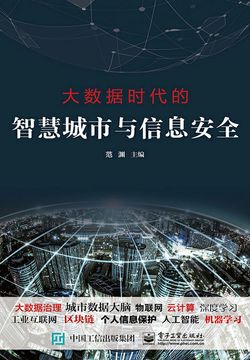 大数据时代的智慧城市与信息安全
 安全城市 平安生活:中国特(超)大城市公共安全风险治理报告
 望古神话之秦墟
 银河帝国(全15册|美剧《基地》原著)
 银河帝国(1-12册)
 橙红年代
 银河帝国10:裸阳
Comments
Find this book
This site is an index: you start “Search all sources” in your browser, and the entries it lists all point to third-party sites; please judge their availability yourself.
About the author
Zhao Xianyao is an author concerned with China's urban and rural development and urban governance. Publicly available information about him is limited, and details such as his biographical background, nationality, and dates of birth and death are not clearly recorded. Three of his works are included in the library, focusing on urbanization and urban safety. Representative titles include The Road of Sustainable Urbanization, Urban Safety, and Frank Words on the Great City: The Voice of a Professor in Urban and Rural Planning and Construction. Judging from the titles and common categories, his writing combines academic discussion with practical concern: it addresses the sustainability of urbanization paths, confronts safety issues in the operation of large cities, and, in the form of 'frank words,' offers a professor's observations and suggestions on problems in urban and rural planning and construction. His texts speak to professional readers and to the public interested in urban development, emphasizing problem analysis and policy reflection, and appear under categories such as culture and industrial technology.
