

Earth's Greatest Extremes
Tags
Summary
Editor's review
Who it's for
A good fit for
- Ordinary readers curious about both physical and human geography who like to dip in at random
- Parents and primary and secondary school teachers who need to choose popular-science extracurricular reading for children
- Content creators in general education who want to find geographical material quickly
- Travel enthusiasts and readers planning trips who want to learn the highlights of destinations in advance
Not a good fit for
- Students who want to study geographical principles systematically or prepare for geography exams
- Academic-minded readers who prefer long-form exposition and rigorous argumentation
- Readers who want only in-depth monographs on a single discipline and dislike entry-based organization
Reading tips
- You need not read in order; first look through the contents, choose three topics that interest you, then follow cross-references to extend your reading
- Read only one or two spreads at a time; when you finish, close the book and restate one “most” in your own words
- When reading with children, first guess the answer from the pictures, then check the text, turning memory points into a small game
- Keep a notebook and record entries separately under nature and human culture; review at the end of the month to build your own index
Contents
- 版权信息
- 现在就开始吧……
- 神奇的天文地理之最
- 美丽的国家城市之最
- 多样的动物植物之最
- 意想不到的人类之最
- 令人惊叹的科技之最
- 灿烂的文化艺术之最
FAQ
What age of child can read this book independently?
How is it different from an ordinary geography encyclopedia?
Will the “most” claims in the book become outdated?
Do I need to read it from beginning to end?
Related on WeRead
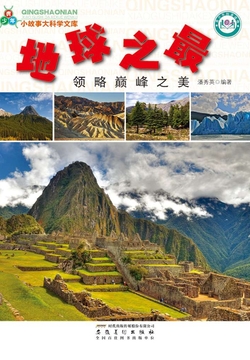 地球之最:领略巅峰之美(青少年小故事大科学文库)
 漫威之最强地球人
 星际之最后的地球神
 足球之地表最强
 暗号之二(卫斯理珍藏版)
 激发孩子兴趣的极地百科
 青少年必知的100种地理知识
 图说细说汉字 大全集
 为奴隶的母亲(红色经典)
Comments
Find this book
This site is an index: you start “Search all sources” in your browser, and the entries it lists all point to third-party sites; please judge their availability yourself.
About the author
The National Geographic Editorial Board is an editorial body that writes content on geography and science popularization under a collective byline. According to the available information, its writing focuses on physical geography and scientific knowledge, and its published work in this catalog is Earth's Extremes. Books of this kind usually take "the most" as their organizing thread, assembling natural phenomena, geographical records and ecological knowledge into entries that are convenient to consult and browse. They combine reference value with readability and are well suited to popular-science reading for a general audience. Because public information is limited, the board's specific members, founding date and mode of operation cannot be confirmed, and only one of its works is included here. Overall, the board's editorial work reflects a popular-science approach built on geographical knowledge and expressed in accessible language, offering useful reference for readers who wish to quickly learn about the natural extremes of the Earth.
