

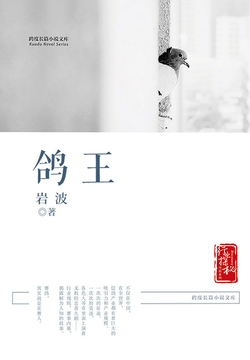
Pigeon King
Tags
Summary
Editor's review
Yan Bo's writing style is steady and restrained, without overplaying the halo of success literature; instead, it faithfully records the protagonist's choices and costs at every crossroads. The depictions of business operations and human relations have a strong realistic texture, showing both the wild vitality of the early market economy and the complex game between capital and human nature. Particularly rare is that the author's characterization of supporting figures is equally full: whether simple villagers, shrewd businessmen, or bewildered family members, they all form a three-dimensional, multi-faceted social picture.
In terms of literary value, the work inherits the observational tradition of realist literature while incorporating the special experience of contemporary China. Although the narrative pace is somewhat gentle, it is precisely this unhurried groundwork that makes the final value conflict more impactful. In the rise and fall of the protagonist's pigeon kingdom, readers can see the collision between traditional ethics and modern business civilization and reflect on what true "success" means. For those who have lived through or want to understand those turbulent years, this book offers a warm and accessible entry point.
Who it's for
A good fit for
- Readers interested in social change during the reform and opening-up period
- Novel lovers who enjoy delicate character portrayal and family narratives
- Readers concerned with business ethics and realistic subject matter
- Mature readers seeking life insights in literary works
Not a good fit for
- Entertainment-oriented readers seeking fast pacing and strong plot
- Readers with no interest at all in rural or business subject matter
Reading tips
- Read alongside materials on contemporary Chinese history to understand the historical context
- Pay attention to the repeated appearance of the pigeon image and its symbolic meaning
- Follow the fate lines of supporting characters to appreciate the author's perspective on social observation
About the publisher
China Culture and History Press has long devoted itself to modern and contemporary literature and culture-and-history reading matter, with publishing directions centered on classic works, social novels, prose and miscellaneous writings, and Eastern philosophy, alongside culture-and-history periodicals such as Zongheng. Among the more than 1,500 titles in the collection, representative books include Zhang Henshui's Ti Xiao Yin Yuan, Lu Xun's Complete Classic Works (10 volumes) and Wild Grass, and Lao She's Four Generations Under One Roof series and the boxed set of Lao She's Classic Works (10 volumes), while its author resources are concentrated on figures such as Zhang Henshui, Lu Xun, Lao She and Sima Qian. Its publishing character lies in solid editorial work on culture-and-history source texts and in issuing famous authors' works in sets, balancing the readability of individual texts with the systematic presentation of complete collections for focused reading and collecting. Beyond these directions, public information on the press's contemporary original publishing is limited, so it is not elaborated here.
Contents
- 版权信息
- 长篇小说《鸽王》22万字 或名《飞过蓝天》
- 鸽王
- 楔子
- 第一章 不惜代价的女孩
- 第二章 好话说尽的男人
- 第三章 如此尴尬的生活
- 第四章 受了谁的骗
- 第五章 富人炫富
- 第六章 我的鸽子如何飞过蓝天
- 第七章 邪人歪道
- 第八章 也算十面埋伏
- 第九章 兄妹也会阋墙
- 第十章 初试锋芒
- 第十一章 什么叫高屋建瓴
- 第十二章 鸽事将毕也巨
- 第十三章 杀伐决断的人
- 第十四章 真是精彩绝伦
- 第十五章 看双管齐下
- 第十六章 天空如此蔚蓝
- 第十七章 哈,各有所成
- 信鸽飞出初心来
- 皆为利来,皆为利往(《鸽王》书评)
- 作家章玺简评长篇小说《鸽王》
- 蓝天下那群鸽子
- 南京作家陆冈点评长篇小说《鸽王》
FAQ
Is this book based on a true story?
Why is "pigeon keeping" used as the main thread?
Where does the work's main literary value lie?
Related on WeRead




Comments
Find this book
This site is an index: you start “Search all sources” in your browser, and the entries it lists all point to third-party sites; please judge their availability yourself.
About the author
Public information about Yan Bo is quite limited; his nationality, dates of birth and death, and English name are not clearly recorded. Judging from the fifteen works held in the collection, he is a popular author whose subjects range widely, spanning social fiction, otherworldly fantasy, and classic works. Representative titles include Underground Transport Station, Secret War, Wolf Mountain, The Male Secretary of the Female Municipal Party Secretary, Lock Picking, Utopia, 1943: The Great Gold Contest, and Pigeon King. These titles suggest two fairly clear strands: one focusing on realistic society, workplace and power relations, and the other leaning toward suspense, war and fantasy narratives, combining tense plots with popular readability. Given the lack of reliable biographical information, the full picture of his writing and its literary influence remain to be further examined, and readers may form their own understanding through the works themselves.
