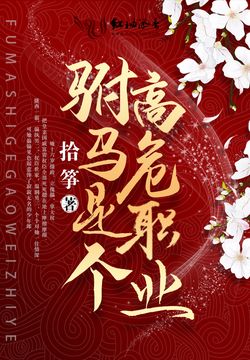
The Imperial Son-in-Law cover

The Imperial Son-in-Law

Rating 2.9
Word count
249K words
Chapters
156

Tags

Summary

Ding Xin has never understood it. Li Yihai is hardly the type to marry into privilege. He is no social climber from the countryside; he is a native son of this provincial capital, the elder of two brothers. His mother retired as deputy director of the Industrial Bureau, and his father is a renowned engineer. Even if the family is not extremely wealthy, they have marriage homes ready for both brothers. She simply cannot grasp why Li Yihai keeps saying, "I must realize my dream. I will marry into privilege."

Editor's review

Ma Feng (The Imperial Son-in-Law) opens with an intriguing question: why does Li Yihai, who comes from a decent family and is no fortune-seeking social climber, insist that "my dream must come true—I want to be the imperial son-in-law"? Ding Xin's puzzlement is exactly the curiosity readers feel when opening the book. With this contrast, author Han Xueli turns "imperial son-in-law" from an ancient title into a metaphor for marriage, class, and self-realization, bringing to the surface both the calculations and the ideals of urban men and women in their romantic choices. The novel does not rush to label its characters; instead, through Ding Xin's observations and questions, it gradually reveals the logic behind Li Yihai's insistence and forces readers to reflect: when a person treats marriage as a path to realizing a dream, what does he truly want? The language is plain and the relationships are true to life. Suitable for readers interested in thinking about marriage and romance to read in their spare time; afterward, you might chat with friends about your views on "matching social status" and "individual striving."

Who it's for

A good fit for

  • Readers interested in urban romance themes and realistic emotional issues
  • Those who enjoy thinking about social mindsets through character dialogue and psychological description
  • Readers who want to explore the relationship between marriage and personal ideals and are willing to discuss after reading
  • Office workers who prefer light reading and life-like narratives

Not a good fit for

  • Readers expecting ancient palace stories or historical "imperial son-in-law" themes
  • Readers who prefer fast pace and strong conflict, seeking plot excitement
  • Those hoping for clear conclusions on marriage guidance rather than open-ended reflection

Reading tips

  1. Start reading with the question "Why does Li Yihai want to be an imperial son-in-law?" and record your guesses as you go.
  2. Pay attention to Ding Xin's observations and puzzlement, and experience how a bystander gradually approaches another's motives.
  3. After finishing, discuss with friends: could you accept treating marriage as a path to realizing a dream?

Contents

  1. 版权信息
  2. 驸马
  3. 不解
  4. 条件
  5. 勇气
  6. 突然
  7. 惊讶
  8. 生气
  9. 现实
  10. 电话
  11. 请教
  12. 相遇
  13. 后悔
  14. 热闹
  15. 初衷
  16. 犹豫
  17. 热闹
  18. 周全
  19. 纠结
  20. 紧盯
  21. 帮手
  22. 总结
  23. 猜疑
  24. 恋爱
  25. 探底
  26. 心理
  27. 积极
  28. 正办
  29. 机缘
  30. 心动
  31. 奇怪
  32. 疑惑
  33. 花海
  34. 友好
  35. 从容
  36. 友好
  37. 放弃
  38. 聪明
  39. 装傻
  40. 反对
  41. 伏笔
  42. 打算
  43. 争执
  44. 应付
  45. 弄人
  46. 美人
  47. 羡慕
  48. 目的
  49. 感觉
  50. 惊讶
  51. 容易
  52. 打算
  53. 积极
  54. 教育
  55. 犹豫
  56. 自信
  57. 桃花
  58. 猜测
  59. 讨厌
  60. 提醒
  61. 观察
  62. 很好
  63. 初见
  64. 如梦
  65. 认真
  66. 见面
  67. 见面
  68. 伤害
  69. 整容
  70. 意外
  71. 安排
  72. 气势
  73. 惊讶
  74. 喜悦
  75. 防范
  76. 配合
  77. 装傻
  78. 试探
  79. 患得
  80. 患失
  81. 继续
  82. 确定
  83. 花市
  84. 安稳
  85. 理解
  86. 泄气
  87. 选择
  88. 坚决
  89. 任务
  90. 执行
  91. 馅饼
  92. 成交
  93. 条件
  94. 坚持
  95. 讽刺
  96. 会面
  97. 直言
  98. 通知
  99. 模样
  100. 短板
  101. 轻视
  102. 静观
  103. 初恋
  104. 亲近
  105. 感叹
  106. 问计
  107. 代言
  108. 气愤
  109. 假花
  110. 缓和
  111. 心动
  112. 思念
  113. 改变
  114. 随心
  115. 关系
  116. 关照
  117. 讨好
  118. 关怀
  119. 奇葩
  120. 巧合
  121. 见面
  122. 相处
  123. 为难
  124. 难题
  125. 妥协
  126. 登门
  127. 面子
  128. 提醒
  129. 隐私
  130. 感叹
  131. 怀疑
  132. 告状
  133. 过场
  134. 结婚
  135. 抢境
  136. 酸楚
  137. 访客
  138. 重视
  139. 作证
  140. 不顺
  141. 惊动
  142. 质问
  143. 惊心
  144. 不信
  145. 局面
  146. 怀疑
  147. 团队
  148. 生气
  149. 思虑
  150. 局面
  151. 趁胜
  152. 收手
  153. 直言
  154. 真相
  155. 信任
  156. 结局

FAQ

Is the book "Imperial Son-in-Law" an ancient story?
From the available material, it is not an ancient palace theme. The story takes place in a provincial capital city, and Li Yihai is a city youth born and raised there. "Imperial son-in-law" is more of a borrowed term pointing to the relationship between marriage, class, and dreams; its specific meaning needs to be understood through reading.
Why does Li Yihai insist on being an imperial son-in-law?
The material only presents Ding Xin's puzzlement: Li Yihai comes from a decent family and has a marital home, and is no fortune-seeking social climber, yet repeatedly says "my dream must come true—I want to be the imperial son-in-law." The specific reason for his insistence is precisely the story's suspense, which readers need to discover by following Ding Xin's perspective.
Is this book suitable for discussing with friends after reading?
Yes. The novel revolves around romantic choices and personal ideals, and the characters' motives leave room for reflection. After reading, it is suitable to chat with friends about your views on marriage, class, and "ways of realizing dreams," which easily leads to interesting conversations.

Related on WeRead

Comments

Find this book

This site is an index: you start “Search all sources” in your browser, and the entries it lists all point to third-party sites; please judge their availability yourself.

About the author

韩雪丽 Author

Han Xueli is an author for whom limited public information is available. Eleven of her works are currently known, including such representative titles as Bride Price, Betrayal, Ascending the Tower of Love, Not Like This, The Imperial Son-in-Law, Moonlight in the Corridor, Fulfillment, and All Ordinary People. Judging from these works, her writing falls mainly into two categories: social fiction and modern romance. The former focuses on real-life human relations and family ties, often using everyday issues such as marriage and bride price as entry points to show how ordinary people make choices and face circumstances under social pressure; the latter leans toward emotional narrative, unfolding the concerns of contemporary urban men and women through the ups and downs of personal relationships. Her titles are often drawn from everyday speech or classical imagery, and her style is plain and close to life, with characters who are mostly ordinary people, giving her work a strong sense of realism. As biographical information is currently lacking, the full scope and development of her writing await further material.

More by the same author

Top rated in the same category