

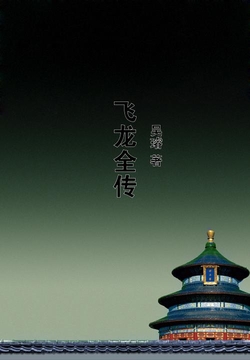
The Complete Story of the Flying Dragon
Tags
Summary
Editor's review
From a literary perspective, the book is written in accessible language with intricate plotting, retaining some features of the huaben storyteller's tale, and its characters are vividly drawn—especially the rendering of Zhao Kuangyin's chivalric spirit, which is quite compelling. However, as a Qing revision, its ideas and artistic techniques inevitably bear the limitations of its era; some episodes tend toward formula, and may feel distant from modern readers' habits.
The book's value for reading lies mainly in three aspects: first, as a type specimen of historical romance, it offers a glimpse of the common paradigm of historical fiction in the Ming and Qing periods; second, it preserves a wealth of popular legends and depictions of everyday urban life, giving it reference value for folklore studies; third, Zhao Kuangyin's growth narrative itself embodies traditional cultural imaginings and expectations of heroes, and can serve as textual material for understanding traditional values. Readers are advised to view its supernatural episodes and moralizing with a historical eye, and to focus on its narrative wisdom and cultural content.
Who it's for
A good fit for
- Readers interested in early Song history and popular legend
- Literature lovers who enjoy the narrative style of traditional historical romance
- Researchers hoping to understand how popular historical memory shapes heroic images
- General readers seeking relaxed reading and the legendary charm of classical fiction
Not a good fit for
- Readers who demand strict historical verification and dislike literary invention
- Modern readers impatient with formulaic plots in traditional fiction
Reading tips
- Read alongside official histories such as the Song Shi to appreciate the differences between historical and literary narrative
- Pay attention to depictions of urban life and jianghu codes to sense the social atmosphere of the Ming and Qing periods
- Do not dwell too much on the factual accuracy of specific episodes; focus on the reading experience offered by characterization and narrative rhythm
About the publisher
Huaxia Publishing House is a comprehensive publisher known for its output in social sciences, traditional culture and rehabilitation medicine, and it is particularly noted for its editions of classical literature and historical texts. The eight titles in our catalogue reflect two directions: classical novels and historical romances such as Lin Lan Xiang, Romance of the Western and Eastern Jin, The Complete Legend of Feilong, Romance of Northern History and Green Peony, many by Ming and Qing authors including Suiyuan Xiashi, Yang Erzeng, Wu Xuan and Du Gang; and contemporary literary writing, represented by Li Peifu's self-selected novellas and short stories The Boundless Morning. Its common categories cover classic works, classical literature, historical texts, historical fiction and literary appreciation, showing a publishing profile that combines the editing of traditional texts with the promotion of contemporary literature. Owing to limited public information, no further details are provided here.
Contents
- 版权信息
- 目录
- 公版书总序
- 不与书中觅金帛,朝发襄阳暮看花——吴璿
- 逐却残星忙赶月,飞龙自是天上来——《飞龙全传》
- 正文
- 第一回 苗训设相遇真龙 太祖游春骑泥马
- 第二回 配大名窦公款洽 游行院韩妓殷勤
- 第三回 赵匡胤一打韩通 勾栏院独坐龙椅
- 第四回 伸己忿雹打御院 雪父仇血溅花楼
- 第五回 赵匡胤救假书生 张桂英配真命主
- 第六回 赤须龙山庄结义 绿鬓娥兰室归阴
- 第七回 柴君贵贩伞登古道 赵匡胤割税闹金桥
- 第八回 算油梆苗训留词 拔枣树郑恩救驾
- 第九回 黄土坡义结芝兰 独龙庄计谋虎狼
- 第十回 郑子明计除土寇 赵匡胤力战裙钗
- 第十一回 董美英编谜求婚 柴君贵惧祸分袂
- 第十二回 笃朋情柴荣赠衣 严国法郑恩验面
- 第十三回 柴君贵过量生灾 郑子明擅权发货
- 第十四回 为资财兄弟绝义 因口腹儿女全生
- 第十五回 孟家庄勇土降妖 首阳山征人失路
- 第十六回 史魁送柬识真主 匡胤宿庙遇邪魑
- 第十七回 褚玄师求丹疗病 陈抟祖设棋输赢
- 第十八回 卖华山千秋留迹 送京娘万世英名
- 第十九回 匡胤正色拒非词 京娘阴送酬大德
- 第二十回 真命主戏医哑子 宋金清骄设擂台
- 第二十一回 马长老双定奇谋 赵大郎连诛贼寇
- 第二十二回 柴君贵穷途乞市 郭彦威剖志兴王
- 第二十三回 太祖尝桃降舅母 杜公抹谷逢外甥
- 第二十四回 赤须龙义靖村坊 母夜叉计和甥舅
- 第二十五回 杜二公纳谏归正 真命主违数罹灾
- 第二十六回 五索州英雄复会 兴隆庄兄弟重逢
- 第二十七回 郑恩遗像镇村坊 太祖同心除妖魅
- 第二十八回 郑恩无心擒猎鸟 天禄有意抢龙驹
- 第二十九回 平阳镇二打韩通 七圣庙一番伏状
- 第三十回 世宗荐朋资帷幄 弘肇被谮陷身家
- 第三十一回 郭元帅禅郡兴兵 高怀德滑州鏖战
- 第三十二回 高行周夜观星象 苏逢吉耸驾丧军
- 第三十三回 李太后巡觅储君 郭元帅袭位大统
- 第三十四回 王子让辞官养母 赵匡胤避暑啖瓜
- 第三十五回 赵匡胤博鱼继子 韩素梅守志逢夫
- 第三十六回 再博鱼计赚天禄 三折挫义服韩通
- 第三十七回 百铃关盟友谈心 监军府元帅赔礼
- 第三十八回 龙虎聚禅州结义 风云会山舍求贤
- 第三十九回 匡胤射龙解水厄 郑恩问路受人欺
- 第四十回 郑子明恼打园公 陶三春挥拳服汉
- 第四十一回 苗训断数决鱼龙 匡胤怜才作媒妁
- 第四十二回 柴荣进位续东宫 匡胤无罪缚金銮
- 第四十三回 苗训决算服柴荣 王朴陈词保匡胤
- 第四十四回 赵匡胤带罪提兵 杜二公挈众归款
- 第四十五回 杜二公纳婿应运 高行周遣子归乡
- 第四十六回 高行周刎颈报国 赵匡胤克敌班师
- 第四十七回 刘崇兵困潞州城 怀德勇取先锋印
- 第四十八回 高怀德智取天井 赵匡胤力战高平
- 第四十九回 丁贵力战高怀德 单珪计困赵匡胤
- 第五十回 单珪覆没蛇盘谷 怀德被困铁笼原
- 第五十一回 冯益鼓兵救高将 杨业决水淹周师
- 第五十二回 真命主爵受王位 假响马路阻新人
- 第五十三回 陶三春职兼内外 张藏英策靖边隅
- 第五十四回 王景分兵袭马岭 向训建策取凤州
- 第五十五回 课武功男女较射 贩马计大闹金陵
- 第五十六回 杨仙人土遁救主 文长老金铙伤人
- 第五十七回 郑子明斩将夺关 高怀亮贪功殒命
- 第五十八回 韩令坤擒剐孟俊 李重进结好永德
- 第五十九回 刘仁赡全节完名 南唐主臣服纳贡
- 第六十回 绝声色忠谏灭宠 应天人承归正统
- 如是我闻
- 一、因“起义”发迹的皇帝
- 二、敌国破,谋臣亡——毁于帝王之手的功臣
- 三、赵匡胤与花蕊夫人
FAQ
How great is the difference between the Zhao Kuangyin of The Complete Tale of the Flying Dragon and the figure in official histories?
What is the book's status in literary history?
What should modern readers keep in mind when reading?
Related on WeRead
Comments
Find this book
This site is an index: you start “Search all sources” in your browser, and the entries it lists all point to third-party sites; please judge their availability yourself.
About the author
Wu Xuan is an author about whom very little biographical information survives: his nationality, dates of birth and death, and educational background are not clearly recorded in publicly available sources. The main trace of him lies in his writing of chapter-novel fiction. The Romance of the Flying Dragon (Feilong Quanzhuan), attributed to Wu Xuan, is one of the representative Qing-dynasty chapter novels; it revolves around figures such as Zhao Kuangyin, the founding emperor of the Song dynasty, and combines historical romance with martial-arts legend, with lively plotting, accessible language, and a flavor of oral storytelling. Fourteen of his works are held in the collection, mostly different editions and volumes of The Romance of the Flying Dragon and the Flying Dragon Legend series, showing that his output is concentrated on this subject. Existing categories often place him under martial-arts fiction, classical literature, and folk literature. Given the scarcity of biographical material, a full assessment of Wu Xuan awaits further documentary discovery.
