

Tags
Summary
The book includes tender recollections of personal growth—the hardships of the educated-youth years and the fresh innocence of school days—imbued with genuine feeling; it also probes social reality in depth, from the vicissitudes of political movements to livelihood issues such as healthcare, education, and the wealth gap, castigating current ills and striking at their sore points; it further excavates the good and evil, beauty and ugliness of human nature, exploring their complex essence through literary classics and historical tales; and it offers sorrowful reflection on the calamities of war and a fervent yearning for peace and democracy. The style is plain and sincere yet incisive and profound, presenting readers with a spiritually substantial and thought-provoking feast that helps them see the world and themselves more clearly, press forward through reality, and seek the light.
Editor's review
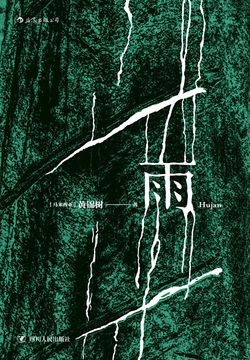
From an editorial perspective, the value of this work lies in its distinctive narrative aesthetics and profound humanistic concern. Bian Liya inherits the essence of the lyrical tradition in Chinese-language literature while incorporating modernist narrative techniques, giving the work both classical beauty of mood and modern reflectiveness. The depictions of rain scenes are not merely environmental description but an externalization of the characters' inner worlds; each rain bears a different emotional weight and symbolic meaning. This deep fusion of natural imagery and psychological reality demonstrates the author's superb literary control.
What readers will savor is how the author excavates profound life experience from seemingly ordinary daily scenes. Those figures wandering, remembering, waiting, or departing in the rain—their solitude and longing, resilience and fragility—form subtle slices of the modern urban spiritual condition. This book is not for readers seeking strong plot and fast pacing, but it can offer a serene and abundant spiritual cleansing to those willing to linger in the text and savor the subtle recesses of life in its details.
Who it's for
A good fit for
- Readers who love literary works with strong lyricism and poetic, imagistic prose
- Researchers or enthusiasts interested in the Nanyang Chinese diaspora experience and cultural identity
- People seeking inner calm in urban life who wish to engage in deep reflection through reading
- Lovers of the short story form, especially those who appreciate finely structured, emotionally restrained narratives
Not a good fit for
- Readers expecting intense dramatic conflict and fast-paced plotting
- Readers inclined toward stories with clear endings or strong thematic directives
Reading tips
- Read slowly in a quiet environment, savoring the atmosphere and emotional flow between the lines
- Pay attention to the variations and symbolic meanings of the core image of "rain" across different pieces
- After reading, consider doing some personal writing or reflection in light of your own experiences of memory and solitude
About the publisher
World Joint Publishing House Pte. Ltd. is a publishing institution registered in Singapore. Its publishing scope covers social novels, wuxia novels, time-travel and alternate-history fiction, folk literature, social sciences and medicine, and extends to books, pamphlets, sheet music and periodicals. Titles in its catalogue, such as Dù Bǎi (Ferrying), Tianbao Escort Agency, Talking Foxes and Love in Liaozhai, Dementia Care Services and Management, and The Formulary of Jin Feng, a Renowned Veteran Chinese Medicine Doctor in Central Jiangsu, reflect a list that balances literary creation with practical medicine. Its authors include Dan Yuanjun, Liu Shengnan, Hong Xia, Jin Hu, Jin Feng, Yang Jing, Li Bingyang and Ziyi Piaopiao. Public information is limited, and its publishing character is best seen in this diverse mix of popular reading and professional practical titles.
Contents
- 版权信息
- 作者简介
- 前言
- 序语
- 感慨
- 东京的那一片落叶
- 下雨
- 霸
- 望春
- 昨天、今天、明天
- ?
- 50 后
- 阿尔努太太剪下来的细碎绸子
- 一
- 二
- 阿牛、阿盲(小说)
- 啊
- 爱谁
- 安道尔
- 被感染的片刻
- 奔跑吧,生命!
- 笔
- 笔息
- 辨
- 不明白的明白
- 不同
- 餐桌上的随想
- 灿烂的流云无情地飘去
- 差别
- 憧憬
- 穿透
- 春
- 从酸楚中站起来的简·爱
- 答谢
- 大自然的不可抗力
- 悼念
- 道出心声
- 毒?!
- 独眼
- 飞出的鸽子……
- 心门
- 分析
- 疯
- 高贵的灵魂
- 高中的月光
- 管束
- 光
- 归
- 贵族
- 和与梦
- 痕
- 蝴蝶梦(梦幻小说)
- 花开的时候,冬天就走了
- 花开了
- 话
- 怀念
- 谎
- 回声
- 回味……
- 监狱
- 简影
- 进进出出的微信群
- 近邻 19 号窗
- 镜子的方向
- 窘迫中的一道微光
- 救命的药
- 浪
- 老师
- 泪,为什么流?
- 离轨
- 离去
- 历史沉淀,凡人见地
- 恋
- 亮点
- 聊天(小说)
- 灵感
- 灵魂奇人
- 流水的声音
- 路上的玫瑰
- 盲
- 盲点
- 没有缺点的人是可怕的
- 每一天
- 面团
- 蘑菇云
- 墨
- 那里的人们
- 难舍三尺讲台
- 脑海里飞出的是蝗虫,还是萤火虫?
- 你
- 扭曲的怒颜
- 女人,你是什么
- 怕了、可怕
- 跑道
- 朋友(微小说)
- 品树
- 朴树的《那些花儿》
- 浅析卡尔·马克思的《资本论》
- 丘比特
- 秋虫呢喃
- 权力
- 静
- 有一种爱
- 岁月
- 人性
- 日记一则
- 日子
- 如此
- 杀气腾腾
- 删除
- 姗姗来迟
- 社会
- 深色
- 深思
- 手
- 书香感悟
- 书叶震颤
- 熟透了
- 水,开了
- 水中的正义
- 说
- 丝丝火花
- 思
- 送给你
- 《素食者》读后
- 碎影拾零(小说)
- 碎语
- 他的名字是春天
- 他走了
- 他是一面镜子
- 太阳?
- 疼
- 天穹长啸
- 童话与现实
- 凸起
- 托马斯·哈代的汗颜
- 唯美的爱神
- 文学
- 文子的命运
- 我
- 我错了吗?
- 我的父亲:边浩
- 我活在李克强总理心中
- 我认识的她和她
- 我是什么?
- 乌鸦嘴(小说)
- 无声
- 舞台剧
- 瞎编
- 乡鹰
- 相见恨晚
- 相聚
- 小草与牡丹
- 小小的祝福
- 笑的内涵
- 邂逅
- 心 ——随春儿,随风儿,随秋儿,随歌儿
- 心绪
- 新
- 星星、太阳
- 悬
- 丫妮(小说)
- 眼睛和耳朵
- 阳光被枪杀
- 一滴水、一棵树
- 一个警察的手腕
- 一个水分子
- 一角
- 一颗钻石
- 一粒沙
- 一张画
- 一张烂纸片
- 疑和信
- 鹰
- 月亮、六便士、毁桥
- 杂草定律
- 赞美
- 摘豆角
- 战争
- 长
- 真=真话+真实
- 真得好
- 真黑
- 真可怕
- 真有意思
- 正能量
- 重回建专 84-1
- 坠望
- 缀绿
- 自由啊,I Love You
- 醉春
- 眼光
FAQ
Is this book a novel or a short story collection?
Is the literary style more realist or modernist?
Does reading this book require knowledge of a specific cultural or historical background?
Related on WeRead


Comments
Find this book
This site is an index: you start “Search all sources” in your browser, and the entries it lists all point to third-party sites; please judge their availability yourself.
About the author
Bian Liya is an author about whom little public information is available. The only Chinese-language book confirmed under her name is Rain. Her nationality, dates of birth and death, educational background and writing career are not recorded in the database, so it would be inappropriate to speculate further. According to the existing classification, Rain is placed in the category of literary appreciation, which suggests that her writing leans toward close reading and commentary on literary works rather than purely narrative creation. Such writing usually emphasizes sensitivity to language, analysis of imagery and emotional engagement, allowing readers to appreciate the subtlety of appreciative prose. Since the verifiable material ends here, a full assessment of Bian Liya's overall body of work and literary standing is difficult to make. Readers may take Rain as an entry point, follow her specific achievements in literary appreciation, and look forward to more verifiable information in the future.
