

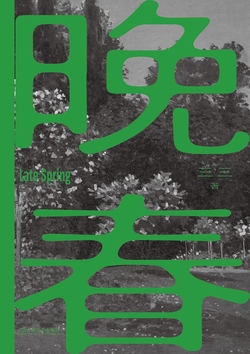
Carving Late Spring
Tags
Summary
Editor's review
Who it's for
A good fit for
- Readers interested in the social life of small towns in northern China in the mid-to-late twentieth century
- Readers who appreciate plain, understated realist writing that emphasizes detail and atmosphere
- Readers who wish to understand the emotional world of ordinary people in their parents' generation or a particular historical period through literature
- Readers seeking tranquility, nostalgia, and resonance with everyday life in their reading
Not a good fit for
- Readers who crave strong plot, fast-paced narrative, and intense conflict
- Readers impatient with regional, slice-of-life description who seek abstract reflection or avant-garde form
Reading tips
- Read in a relatively quiet, uninterrupted stretch of time to better enter the atmosphere the work creates
- Try to notice the descriptions of everyday objects, foodways, and local dialect; they are important carriers of period memory
- Do not rush the plot; treat the reading as a stroll, feeling the characters' subtle psychological shifts and their interaction with their surroundings
About the publisher
Dalian Publishing House is a Chinese publisher focusing on children's literature, primary and secondary school education, and urban culture books. Its catalogue contains 218 titles, covering common categories such as world classics, general biography, classical poetry, foreign literature, essays and miscellaneous writings, and science fiction. Representative books include the "Fantasy World Classic Masterpieces" series, such as Alice's Adventures in Wonderland and The Wind in the Willows, biographies such as Qu Yuan, an anthology of famous Tang and Song ci poems selected by Zhu Shenghao and Song Qingru, and the "Dajia Wencong" essay collections. Its author resources include Chinese and foreign writers and scholars such as Lewis Carroll, Kenneth Grahame, You Guoen, Zhu Shenghao, and Song Qingru. The publisher has developed certain strengths in children's literature and the introduction of classic works; publicly available information on its publishing background is limited.
Contents
- 版权信息
- 序
- 拜访张学良将军
- 刘海粟先生访问美国
- 张氏源流简述
- 我的先辈
- 童年
- 大学时期
- 初恋
- 结婚
- 爱妻的心声
- 金婚
- 温馨的家庭
- 入党
- 南迁
- 校内暴发“怪病”
- 忆沈其震院士
- 访老舍夫人胡絜青
- 参观老舍故居
- 漫游故乡散记
- 智仁医院之创建
- 五十年了 祝同学好运
- 与生命竞争高低
- 逛“海上乐园”
- 芦洋的赶海和看风云
- 从坟墓逃出来的人
- 养生就是生活
- 年已八十四
- 论《常回家看看》
- 围剿麻雀的后遗症
- 飞机上话乡情
- 清明节祭祀爱妻
- 清明节春游看桃花
- 胖与瘦
- 不轻视老年人
- 《共产党宣言》诞生地——白天鹅咖啡馆
- 顽固性呃逆的苦恼
- 养老也要好品行
- 老年人活出精彩
- 三年困难期的生活
- 干点家务活健脑增寿
- 八十自省和寿宴
- 庆增浩考上大学之祝酒词
- 八十二岁登游九华山天台
- 每个人都有自己的舞台
- 老教授创业的始末
- 江涛与孙明的做人做事
- 高洁友谊的象征
- 游千山 登仙人台
- 抵抗病魔的“免疫作用”
- 睡眠是对人体不断“充电”
- 平淡能使心灵更加舒展
- 生与死是个大关
- 练习书画易高寿
- 我对人生的理念
- 缺什么也不能缺健康和精神
- 紫水晶石的故事
- 无忧无虑骑车远足
- 抽烟能致癌减寿
- 信心是产生意志力量之源泉
- 我所见到的一个和谐家庭
- 暗示的巨大作用
- 宽容和忍让
- 多用脑能抗老
- 保持良好心态的诀窍
- 研制养活海鲜装置的故事
- 老年人活得开心不是用钱靠权来的
- 过多享受与退化
- 美国中华民族文化促进会
- 洛活喜降压药
- 我家的狗狗“贝贝”
- 玩电脑使我活得更有趣味
- 龙年游览烟台
- 我的故乡
- 老王师傅的木盒子
- 感恩是生命的营养品
- 我游览日本六个城市
- 日本城市的街道很干净
- 旅程第一站——阿姆斯特丹
- 德国魅力名城——科隆
- 美因河畔的“曼哈顿”——法兰克福
- 啤酒之都——慕尼黑
- 阿尔卑斯山谷中的小城——因斯布鲁克
- 意大利水城——威尼斯
- 最小的独立主权国家——梵蒂冈
- 永恒之城——罗马
- 自由落体定律的诞生地——比萨斜塔
- 艺术之城——皮亚琴察
- 阿尔卑斯山小国——列支敦士登
- 文化名城——琉森
- 终年不化的雪山——铁力士山
- 古老而富有——卢森堡大公国
- 浪漫之都——法国巴黎
- 滑铁卢古战场——布鲁塞尔
- 北方威尼斯——阿姆斯特丹
- 世界最大的城市——纽约
- 兄弟之爱之城——费城
- 美国国歌的诞生地——巴尔的摩
- 美国首都——华盛顿
- 天使之城——洛杉矶
- 世界娱乐之都——拉斯维加斯
- 太平洋上的明珠——夏威夷
- 红鹤之乡——巴哈马
- 日本首都——东京
- 韩国最大的岛屿——济州岛
- 韩国最大的城市——首尔
- 附录
- 后记
FAQ
When and where is the book set?
Does the author Zhang Shanjia have other well-known works?
Is the book's tone sorrowful and nostalgic?
Related on WeRead



Comments
Find this book
This site is an index: you start “Search all sources” in your browser, and the entries it lists all point to third-party sites; please judge their availability yourself.
About the author
Zhang Shanjia is an author about whom very little public information is currently available. According to the existing catalog data, only one work is recorded under this name, Carving Late Spring, which is classified as a classic work. Since the author's dates of birth and death, nationality, educational background, and writing career cannot be verified, this note makes no speculation about them. Based on the known clues, the juxtaposition of "carving" and "late spring" in the title suggests a literary imagination that polishes and preserves time and memory, hinting that the work may lean toward delicate narrative and emotional writing; however, its specific subject matter, characters, and structure should be judged from the book itself. As there is currently no existing introduction, readers may first come to know the author's style through this representative work and look forward to further materials and works.
