

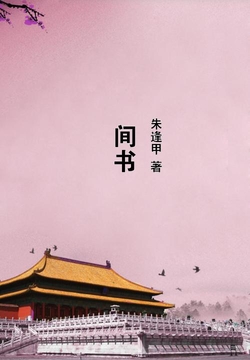
The Book of Spies
Tags
Summary
Editor's review
Who it's for
A good fit for
- Readers interested in ancient Chinese military studies and military thought
- Students and enthusiasts specializing in intelligence history and military history
- Readers who have read The Art of War and wish to expand their reading on espionage
- Readers of history and literature who enjoy understanding ancient political and military operations through historical examples
Not a good fit for
- Readers seeking modern intelligence studies or practical methods for business competition
- Beginners with weak classical Chinese who need a plain-language reading edition
- Readers uninterested in ancient military topics who prefer literary works
Reading tips
- Read the espionage chapter of The Art of War first, then this book, to grasp the thread of ancient espionage thought.
- When encountering historical examples, consult the relevant original histories to clarify the background before drawing conclusions.
- Organize espionage methods by theme into your own reading notes to avoid fragmented memorization.
- Maintain a critical perspective while reading, distinguishing the ancient context from contemporary ethics, and do not treat it as an operational manual.
Contents
- 版权信息
- 间书
- 〈间论〉
- 〈间例〉
- 〔反间〕
- 〔乡间〕
- 〔内间〕
- 〔生间〕
FAQ
What is the relationship between Jianshu and the espionage chapter of The Art of War?
Do the espionage methods in the book still have reference value today?
Is the book difficult for those with only a general foundation in classical Chinese?
Related on WeRead

Comments
Find this book
This site is an index: you start “Search all sources” in your browser, and the entries it lists all point to third-party sites; please judge their availability yourself.
About the author
Zhu Fengjia's biographical details are rather limited; his representative work is known to be Jian Shu (A Book of Espionage). According to currently available public sources, his dates of birth and death, native place, and official career remain unconfirmed, making it difficult to sketch a complete life. What can be confirmed is that Jian Shu is often classified among classic works in Chinese book categorization, and the single work by Zhu Fengjia held in the collection is this very Jian Shu. In terms of subject matter, the book deals with espionage activities and intelligence strategy, forming a rather specialized branch of ancient military and political strategy writing. Compared with general military treatises, it focuses more on the art of using spies and combines historical compilation with practical summary. Because records of the author's life are scarce, later readers' understanding of the man and his book still depends mainly on the content and editorial approach presented in Jian Shu itself. Readers interested in ancient intelligence thought and the art of espionage may use this book as introductory material on the subject, while bearing in mind the lack of author information and treating its accounts with caution.
