

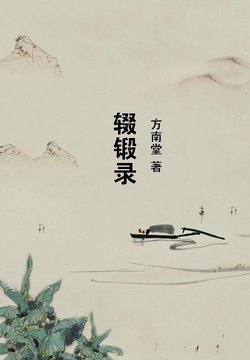
Records Compiled at Leisure from the Forge
Tags
Summary
Editor's review
Who it's for
A good fit for
- Readers with a basic interest in original classics who wish to encounter unadapted texts
- Readers who enjoy traditional thought and culture and are willing to read slowly, take excerpts, and keep notes
- People who need source material reflecting the original appearance of books for writing or teaching traditional culture
- General readers with broad interests in the literary essence of ancient sages
Not a good fit for
- Beginning readers seeking modern vernacular translation and detailed annotation
- Readers who prefer plot-driven reading and light entertainment
- Researchers who need systematic academic textual criticism or a framework for specialized study
Reading tips
- Read the table of contents and preface first to understand the series' editorial principle of "retaining the original appearance," then decide which pieces to read closely.
- Read only a short section at a time, noting rare words and key ideas, and verify them with reference works.
- Read alongside other original classics in the same series and note resonances among different forms of thought.
- After finishing, write a short review of about one hundred words to test whether you have truly grasped the essence of the original.
Contents
- 版权信息
- 辍锻录
- 第一节
- 第二节
- 第三节
- 第四节
FAQ
Is this book suitable for readers with no background to read directly?
What does the title "Chuo Duan Lu" mean?
How is this book different from general popular books on the classics?
Related on WeRead


Comments
Find this book
This site is an index: you start “Search all sources” in your browser, and the entries it lists all point to third-party sites; please judge their availability yourself.
About the author
Fang Nantang is an author about whom little public information is available; only one work by this name is currently held in the library, namely Chuo Duan Lu (Records of Suspended Forging). Its usual classification as literary appreciation suggests that the writing focuses on the reading and critical assessment of literary works rather than on fiction or theoretical scholarship. The title carries the flavor of traditional notes and miscellanies, and the phrase "chuo duan" evokes a posture of casual jottings and reading notes, so the contents are likely short sketches and appreciative commentary recording insights and judgments formed in the course of reading. Because basic facts such as dates of birth and death, native place, and occupation are unrecorded, no outline of his life can be drawn, nor can the historical context of his literary activity or his circle of associates be established. The available material supports only the conclusion that he was a writer associated with literary appreciation, that his output was small, and that the reach of his influence remains to be investigated. Readers wishing to learn his style and views may turn directly to Chuo Duan Lu, which is at present the main textual basis for knowing Fang Nantang.
