

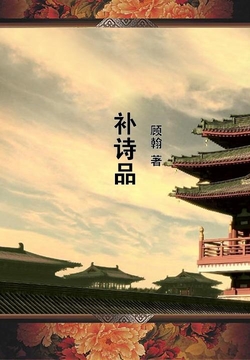
Supplement to the Critique of Poetry
Tags
Summary
Editor's review
Who it's for
A good fit for
- Readers with some acquaintance with Sikong Tu's Twenty-Four Shipin who want to read later imitations
- Lovers of four-character-line poetry and classical poetics who prefer short, polished pieces
- Students of ancient Chinese literary theory who need to know the Qing continuation of the Shipin tradition
- General readers who want a little classical verse for odd moments
Not a good fit for
- Researchers seeking a systematic theoretical framework or detailed annotation
- Beginners unaccustomed to four-character rhymed lines who need line-by-line vernacular translation
- Specialists expecting lengthy academic textual criticism or edition studies
Reading tips
- Read Sikong Tu's Twenty-Four Shipin first, then compare this book, noting similarities and differences in diction and imagery.
- Read each short piece slowly and savor it; jot down images or judgments that strike you, and do not try to finish in one sitting.
- If it proves difficult, consult a reliable anthology of ancient poetics for the basics of the four-character evaluative form, then return to the text.
- Treat it as light reading: take three or five pieces at a time and test the judgments against poems you know.
Contents
- 版权信息
- 补诗品
- 古淡
- 蕴藉
- 雄浑
- 清丽
- 哀怨
- 激烈
- 奥折
- 华贵
- 疏散
- 超逸
- 闲适
- 奇艳
- 凄婉
- 飞动
- 感慨
- 隽雅
- 高洁
- 精炼
- 峭拔
- 悲壮
- 明秀
- 豪迈
- 真挚
- 浑脱
FAQ
What is the relation between Bu Shipin and Sikong Tu's Twenty-Four Shipin?
Can I read this book without having read the Twenty-Four Shipin?
What does "to preserve this form" in the preface mean?
Related on WeRead

Comments
Find this book
This site is an index: you start “Search all sources” in your browser, and the entries it lists all point to third-party sites; please judge their availability yourself.
About the author
Gu Han: basic information about this author, including courtesy name, native place, and dates of birth and death, is currently limited in publicly available sources and awaits further verification. One work is held in the collection, namely Supplementary Remarks on Poetry (Bu Shipin). The book continues the tradition of evaluating poetry through "grades" or categories, assessing poetic tone, imagery, and technique in distinct sections. Its language is concise and vivid, making it readable both as poetics and as a refined essay on the art of poetry. In the common classification, the work is placed under Eastern philosophy, indicating that its compilers valued the aesthetic ideas and critical approach it contains rather than treating it merely as conventional literary commentary. Through this work, readers can appreciate the traditional poetic manner of using brevity to master complexity and images to convey principles, and can observe how ancient writers distinguished poetic styles with care. Since other details of Gu Han's life and writings remain unavailable, this introduction can only discuss this single transmitted work and its category; the author's specific place in literary history still requires more complete sources.
