

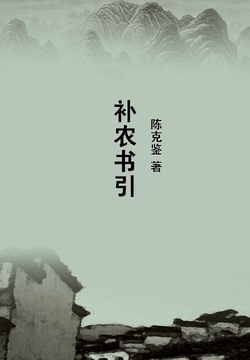
Preface to the Supplement to the Treatise on Agriculture
Tags
Summary
Editor's review
Who it's for
A good fit for
- Readers about to read the main text of the Supplement to the Agricultural Treatise who need background context
- Scholars studying Ming–Qing prefatory and postfatory documents and the process of book composition
- Readers interested in the idea of farming and reading and literati attitudes toward public and private life
Not a good fit for
- Readers seeking direct practical farming instructions
- Readers expecting a long systematic exposition
- Readers unaccustomed to short classical Chinese texts and prefatory genres
Reading tips
- Read through once for the general sense, then check sentence by sentence against the book titles and personal names mentioned.
- Read alongside the main text of the Supplement to the Agricultural Treatise to observe how the aims stated in the introduction are embodied in the farming entries.
- Extract key terms such as “farming and reading” and “both the court and the hills have their tasks” for thematic notes.
Contents
- 版权信息
- 补农书引
- 上卷,沈氏农书
- 正月立春、雨水
- 二月惊垫、春分
- 三月清明、谷雨
- 四月立夏、小满
- 五月芒种、夏至
- 六月小暑、大暑
- 七月立秋、大暑
- 八月白露、秋分
- 九月寒露、霜降
- 十月立冬、小雪
- 十一月大雪、冬至
- 十二月小寒、大寒
- 运田地法
FAQ
Who wrote this introduction, and what does it say?
Why does the introduction mention Chang Ju and Jie Ni?
Is it acceptable to read only this introduction and not the main text?
Related on WeRead

Comments
Find this book
This site is an index: you start “Search all sources” in your browser, and the entries it lists all point to third-party sites; please judge their availability yourself.
About the author
Chen Kejian's life, nationality and other background information remain limited in publicly available sources, and his detailed experiences are still difficult to ascertain. One work by him is held in the collection, namely Preface to the Supplement to the Agricultural Treatise (Bu Nong Shu Yin), commonly classified under Eastern philosophy. Judging from the title and classification, the work likely concerns agricultural experience and traditional thought, and may serve as an introduction, exposition or supplement to writings in the agricultural treatise tradition, reflecting the orientation of traditional scholars who cared about people's livelihood and connected practical learning with moral principles. Such writing generally avoids empty discourse and values empirical order and practical application, with plain language and a clear structure that make it easy to transmit and study. Because surviving materials on the author are scarce, scholarly discussion of him and his work is not extensive, and current understanding rests mainly on this single work. Readers should situate it within the context of traditional agricultural and philosophical literature, understand its argumentative background and purpose, and remain cautious about the author's biography, while hoping that more materials may emerge for reference.
