

Ancient Ci for Children
Tags
Summary
Editor's review
Who it's for
A good fit for
- Primary and middle school students aged 8 to 14 who are building Chinese language literacy and an aesthetic foundation
- Parents who want to introduce their children to classical literature but don't know where to start
- Young readers with a preliminary interest in classical poetry who want a friendly introduction
- Families looking for literary and appreciative reading material for parent-child reading
Not a good fit for
- Advanced readers seeking in-depth academic analysis or professional ci studies
- Those seeking utilitarian study aids with large numbers of exercises and exam-point analyses
Reading tips
- Combine recitation with explanation: first appreciate the beauty of the rhythm, then understand the realm of the poem's meaning
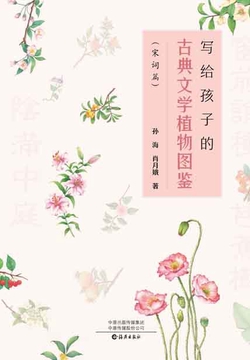
- Use the illustrations in the book to guide children in depicting the scenes in the ci, making abstract imagery concrete
- Don't chase progress; choose ci works that match the mood and season and savor them slowly to better appreciate their flavor
About the publisher
Northern Literature and Art Publishing House focuses on contemporary and modern literary and artistic works, literary theory, and translations of foreign literature, while also covering categories such as history, popular science, Eastern philosophy, and world classics. Its collection includes 737 titles, with representative publications ranging from traditional Chinese classics such as Records of the Grand Historian, The Exploitation of the Works of Nature, and The Analects to foreign literary works including the complete classic plays of Shakespeare, Balzac's Old Goriot and Eugénie Grandet (in celebrated translations by Fu Lei), and The Complete Sherlock Holmes. Its author resources span classical figures such as Sima Qian, Song Yingxing, and Confucius, foreign writers such as Shakespeare and Balzac, and translators such as Zhu Shenghao and Fu Lei. The press combines the transmission of classics with an orientation toward general reading, developing a distinctive profile in both the editing of traditional texts and the translation of foreign literature. Public information is limited, so the above emphasizes the publishing profile reflected in the books held in the collection.
Contents
- 版权信息
- 唐·白居易
- 唐·张志和
- 唐·温庭筠
- 南唐·李煜
- 宋·范仲淹
- 宋·张先
- 宋·晏殊
- 宋·宋祁
- 宋·欧阳修
- 宋·柳永
- 宋·王安石
- 宋·晏几道
- 宋·苏轼
- 宋·黄庭坚
- 宋·秦观
- 宋·陈克
- 宋·李之仪
- 宋·周邦彦
- 宋·赵令畤
- 宋·舒亶
- 宋·贺铸
- 宋·张元幹
- 宋·叶梦得
- 宋·汪藻
- 宋·廖世美
- 宋·鲁逸仲
- 宋·张孝祥
- 宋·韩元吉
- 宋·袁去华
- 宋·韩疁
- 宋·李邴
- 宋·陈与义
- 宋·蔡伸
- 宋·周紫芝
- 宋·李甲
- 宋·李重元
- 宋·田为
- 宋·曹组
- 宋·陈亮
- 宋·范成大
- 宋·姜夔
- 宋·章良能
- 宋·张镃
- 宋·史达祖
- 宋·刘克庄
- 宋·卢祖皋
- 宋·吴文英
- 宋·刘辰翁
- 宋·周密
- 宋·蒋捷
- 宋·张炎
- 宋·李清照
- 宋·岳飞
- 宋·陆游
- 宋·辛弃疾
- 宋·王沂孙
- 明·杨慎
- 清·纳兰性德
FAQ
What eras and authors do the selected ci works cover?
Is the commentary on each ci detailed? Is it suitable for children with no foundation at all?
What are the main differences between this book and other children's classical poetry readers on the market?
Related on WeRead




Comments
Find this book
This site is an index: you start “Search all sources” in your browser, and the entries it lists all point to third-party sites; please judge their availability yourself.
About the author
Public information about Cai Sangzi is limited; neither nationality, birth and death dates, nor educational background are clearly documented. Judging from the fifteen works held in the collection, the author's writing spans several fields: biographical translation and introduction, as with The Autobiography of Benjamin Franklin; anthologies of prose and classical poetry, such as A Reader of Classic Essays and Classical Ci for Children; and the popularization of Eastern philosophy and traditional culture, represented by Common Knowledge of Chinese Classics You Should Know. Inspirational and personal-growth titles make up a large share of the output, including Don't Just Look Like You're Working Hard, Those Who Can Control Their Emotions Can Control Their Lives, Don't Choose Comfort When You Should Be Striving, and Your Aura Will Ultimately Make You a Unique Self. These titles address young readers' anxieties about effort, emotional management and self-improvement in plain, everyday language with a practical, encouraging tone. Overall, Cai Sangzi comes across as a writer of popular books for general readers, skilled at turning traditional culture, classic texts and motivational themes into accessible primers, with an emphasis on readability and practical inspiration rather than scholarly research.
