

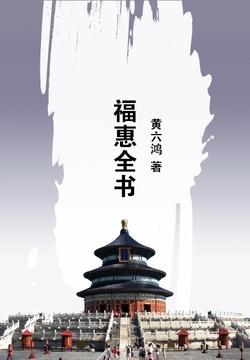
Complete Book of Blessings and Benefits
Tags
Summary
Editor's review
Who it's for
A good fit for
- Historians studying Qing prefectural and county institutions and grassroots governance
- Readers interested in traditional official admonition literature and local administrative practice
- Those seeking to understand traditional administrative frameworks such as grain and taxes, baojia, and penal matters
- University students of local governance history or legal history
Not a good fit for
- Casual readers looking for light stories or popular history
- Readers without historical background who hope to apply modern management methods directly
- Beginners seeking systematic vernacular translation and annotation or detailed institutional analysis
Reading tips
- Begin with the preface to grasp the author's overall framework for classifying prefectural and county affairs.
- Read in thematic blocks—grain and taxes, corvée, penal matters, baojia—and take brief notes.
- Read alongside materials on Qing local administrative history to understand the institutional context behind the provisions.
- Pay attention to the author's choices regarding special entries such as rebellion and appreciate the discretion exercised in official admonition writing.
Contents
- 版权信息
- 福惠全书凡例
- 福惠全书 卷之一
- 总论
- 谒选
- 投供验到
- 掣签
- 查全书
- 访风俗
- 拜客宴会
- 发谕单
- 邮禀帖
- 延幕友
- 募家丁
- 待接役
- 立号簿
- 择到任吉期
- 畵凭领凭
- 辞朝
- 辞行
- 荐托
- 治装
- 起程 取结附
- 福惠全书 卷之二
- 总论
- 投到任禀
- 发到任示票
- 入境
- 斋宿
- 受印
- 到衙门
- 出堂规 式附
- 看须知
- 缴凭
- 谒庙行香
- 发各告示
- 设内外号簿
- 定买办
- 福惠全书 卷之三
- 驭衙役
- 谨关防
- 亲查阅
- 览志书
- 查交代
- 考经承
- 考代书
- 革陋规
- 禁私谒
- 申缴门簿
- 福惠全书 卷之四
- 谨操守
- 忍性气
- 戒躁怒
- 远博饮
- 承事上司(到任参谒附)
- 待绅士
- 交接寅僚(营官附)
- 谨佥押
- 清号件
- 酬荅书札
- 待游客
- 文移诸式
- 福惠全书 卷之五
- 详文赘说
- 禀帖赘说
- 福惠全书 卷之六
- 总论
- 催征
- 福惠全书 卷之七
- 比较
- 拆贮
- 解给
- 福惠全书 卷之八
- 漕项
- 总论
- 颜料匠班
- 当税
- 田房税
- 牛驴杂税
- 牙税
- 门摊税
- 渔课
- 盐课
- 芦课
- 军田
- 新垦
- 牧地
- 更名地
- 学租
- 私盐变价
- 赃罚
- 积谷
- 杂征余论
- 福惠全书 卷之九
- 总论
- 严饬里胥
- 慎选户长
- 查原册
- 设誓
- 首改前弊
- 定推收
- 开报册单
- 立局亲审
- 审后出示
- 攒造审册
- 编审余论
- 福惠全书 卷之十
- 总论
- 立丈册
- 定步弓
- 责经手
- 劝自首
- 具结状
- 禁需扰
- 清丈余论
- 福惠全书 卷之十一
- 总论
- 词讼
- 福惠全书 卷之十二
- 问拟
- 福惠全书 卷之十三
- 监禁
- 恤囚余论
- 福惠全书 卷之十四
- 人命上
- 福惠全书 卷之十五
- 人命中
- 人命下
- 福惠全书 卷之十七
- 贼盗上
- 福惠全书 卷之十八
- 贼盗下
- 福惠全书 卷之十九
- 逃人
- 奸情
- 福惠全书 卷之二十
- 款犯
- 杂犯
- 反叛
- 赃私
- 福惠全书 卷之二十一
- 总论
- 选保甲长
- 保甲之制
- 保甲稽查
- 造保甲册
- 简验壮丁
- 训练伍壮
- 福惠全书 卷之二十二
- 建筑栅濠
- 守御救援
- 城厢防守
- 福惠全书 卷之二十三
- 朔望甘结
- 调集符信
- 功罪赏罚
- 奖举善恶
- 严禁骚扰
- 严禁赌博
- 驱逐娼妓
- 清查界址
- 防救失火
- 渔埠编保
- 福惠全书 卷之二十四
- 总论
- 朝觐大计
- 朔望行香
- 春秋祭祀
- 敬礼城隍
- 祈祷晴雨
- 救护日月
- 拜牌接诏
- 迎春(竞渡附)
- 宾兴考试
- 乡饮酒礼
- 修理文庙
- 崇祀名贤
- 旌表节孝
- 福惠全书 卷之二十五
- 总论
- 讲读上谕
- 择乡约
- 置善恶簿
- 立义学
- 生童课试
- 讲学
- 福惠全书 卷之二十六
- 劝农功
- 修水利
- 垦荒田
- 艺果木
- 植桑榆
- 敦节俭
- 禁淫祀
- 严邪教
- 礼耆德
- 恤孤贫
- 立义塜
- 福惠全书 卷之二十七
- 总论
- 积贮
- 赈济
- 除盗
- 福惠全书 卷之二十八
- 总论
- 立局
- 总理
- 抄牌
- 拨马
- 送差
- 廪粮工料
- 应付大差
- 购马
- 福惠全书 卷之二十九
- 腰站
- 喂养
- 选兽医
- 查倒毙
- 逐娼妓
- 勤亲察
- 船夫车驴
- 稽查徒犯
- 福惠全书 卷之三十
- 总论
- 条陈兴革
- 访拿蠹棍
- 申饬铺逓
- 严缉私贩
- 承审钦件
- 额外杂办
- 申报灾伤
- 福惠全书 卷之三十一
- 漕船催攒
- 河堤岁修
- 平治道涂
- 建立坊铺
- 修葺馆署
- 城门报单
- 佐贰滥刑
- 严饬关津
- 禁妇女烧香
- 禁凌锢仆婢
- 禁造假银
- 禁宰耕牛
- 育养婴儿
- 禁溺子女
- 建救生船
- 捕灭蝗蝻
- 福惠全书 卷之三十二
- 总论
- 清钱粮
- 造交盘
- 查仓谷
- 查库贮
- 查税契
- 结钦宪件
- 清监仓
- 简词讼
- 请署篆
- 接新官
- 发家眷
- 销号件
- 吊案卷
- 毁刑具
- 备文册
- 买补驿马
- 论铺行
- 还借办
- 赏吏役
- 辞乡绅
- 辞文庙常祀
- 出衙
- 交代
- 辞上司赴新任
- 候某协院
- 候川抚刘公
- 候文宗某
- 候水巡台
- 候潘守台
- 候钱太尊
- 候许刑馆
- 候张三府
- 送守道入贺圣寿
- 贺道尊寿
- 上兵备道
- 谢袁抚台
- 迎郑郡守
- 候杨提台
- 贺学台新正
- 贺上台午节
- 贺上台中秋
- 迎东兖李道台
- 贺济东丹道台兼理驿传
- 迎新任张寅翁
- 候扬提台
- 贺上台元宵
- 贺道台午节
- 贺道台中秋
- 迎东兖李道台
- 复济南金太尊
- 贺兖粮厅寿
- 贺衮粮厅代觐
- 复沂州太尊
- 迎新任张寅翁
- 复沂州杨乡宦
- 上京口张镇台
- 贺宿迁令君之任
FAQ
What is this book mainly about?
What use is this book to general readers?
How does the book position the baojia system?
Related on WeRead


Comments
Find this book
This site is an index: you start “Search all sources” in your browser, and the entries it lists all point to third-party sites; please judge their availability yourself.
About the author
Huang Liuhong's life and native place are not well documented in publicly available sources; all that is currently known is that a single work, Fuhui Quanshu (A Complete Book of Benefits and Grace), is attributed to him. Classified under culture, the book appears from its title and orientation to be a practical manual for local governance and routine administrative affairs, devoted to turning administrative experience into operable regulations and methods. Its style favors concrete, clearly itemized guidance over empty theorizing, reflecting the traditional scholar's concern for people's livelihood and for practical results. Because it stays close to actual practice, the work retains reference value for the study of ancient local administration, social management, and everyday life. Given the scarcity of historical records, Huang Liuhong's dates, official career, and personal connections cannot be verified, and his image survives chiefly through this work, which remains the main avenue for readers and scholars to understand his concerns and purposes as a writer.
