

The Transmission of Myths
Tags
Summary
Editor's review
Who it's for
A good fit for
- Readers with a deep interest in the cultural origins and evolution of Chinese myths
- Students and researchers in literature, history, or publishing
- Reflective readers who like to look beyond the surface of stories to explore the causes behind cultural phenomena
- Enthusiasts of traditional culture who wish to systematically understand how myths shaped the national spirit
Not a good fit for
- Readers seeking only exciting, exotic mythological tales
- Readers expecting a comprehensive collection of myths organized by figure or region
Reading tips
- It is recommended to read the introduction first to grasp the author's core methodology of 'transmission history,' then proceed through the chapters in order
- While reading, compare the myths you already know with the evolutionary processes analyzed in the book to deepen your understanding
- The book involves considerable textual and historical background, so it may help to read at a slower pace or consult relevant materials for support
About the publisher
Founded in 1982, Modern Press is a Chinese publisher that serves general readers across a diverse range of subjects. Judging from its catalog, its publishing focuses on classical poetry, Eastern philosophy, psychological research and application, popular science, and modern poetry, along with history, biography, and children's books. The Book of Songs, the illustrated vernacular edition of the Classic of Mountains and Seas, The Complete Poems of Dai Wangshu, and Buddhism in the Vegetable Roots reflect efforts to make traditional culture and poetry accessible; works by Carl Gustav Jung such as The Development of Personality and Understanding Your Psychological Type, together with titles from the Ivy International Education Alliance, show sustained attention to psychology and educational reading; and Stephen Hawking's works and the illustrated two-volume Brief History of Everything and A Brief History of Time indicate a commitment to popular science. Its authors include figures such as Qu Wanli, Xu Ke, Dai Wangshu, and Jung, and its publishing emphasizes retelling classics and accessible, illustrated presentation. Because public information is limited, this summary is based only on the titles in our catalog.
Contents
- 版权信息
- 序言
- 洪荒演义——上古神话
- 巨人盘古开天辟地
- 女神女娲抟土造人
- 女娲炼石补天消除洪灾
- 夸父追日的英雄壮举
- 小鸟精卫衔石填海
- 大羿射九日为民除害
- 伏羲开创中华文明
- 神农尝百草解救苍生
- 黄帝大战蚩尤统一中原
- 佛法无边 ——佛教神话
- 文殊菩萨降龙恩泽于民
- 普贤菩萨行德教化众生
- 观音菩萨救父感天动地
- 观音菩萨慈悲普度众生
- 地藏菩萨行宏大誓愿
- 布袋和尚化缘教化民间
- 道法通天——道教神话
- 老子出关中紫气东来
- 张道陵传道扬善抑恶
- 八仙渡海各显广大神通
- 善良麻姑种仙桃献寿
- 钟馗捉鬼驱除世间妖邪
- 人间宏愿——民间神话
- 玉皇大帝统御十方三界
- 西王母瑶池种长生蟠桃
- 天上三星与人间福禄寿
- 财神乐善好施扶持百姓
- 灶神督察人间是非善恶
- 土地爷施恩德庇佑众生
- 门神驱邪辟鬼守家平安
- 城隍消灾免祸赐福民间
FAQ
What is the difference between this book and Yuan Ke's Chinese Myths and Legends?
Is the book highly academic? Can ordinary readers understand it?
Is this book suitable as an introductory book for understanding Chinese myths?
Related on WeRead
 公众人文素养读本:流传千年的中国神话故事
 经典名作这样读才有趣——玩转古典文学中奇趣冷知识(套装12册)(知趣丛书)
 多元一体视域下的中国多民族文学研究丛书·中国多民族同源神话研究
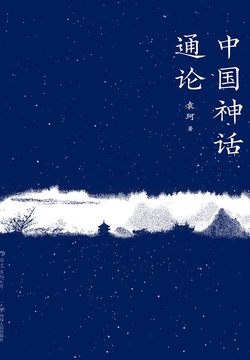 中国神话通论
 后浪·传统文化大师经典(套装共4册)
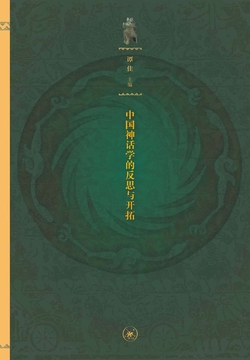 神话中国:中国神话学的反思与开拓
Comments
Find this book
This site is an index: you start “Search all sources” in your browser, and the entries it lists all point to third-party sites; please judge their availability yourself.
About the author
Xiao Dongfa (1949–2016), whose ancestral home was Tianjin and who was born in Shenyang, was a professor and doctoral supervisor at the School of Journalism and Communication, Peking University, and director of its Institute of Modern Publishing. An important scholar in editing and publishing studies, he focused on the history of Chinese books, publishing history, and yearbook studies. He edited the History of Chinese Editing and Publishing and Chinese Libraries of Book Collecting, and led the National Social Science Fund key project A General History of Chinese Publishing, laying a solid foundation for the organization and narration of Chinese publishing history. Beyond academic writing, he attended to Peking University's institutional history and humanistic traditions, writing works such as Character: From the Imperial University to Old Peking University, Exemplars: Former Residences and Anecdotes of Peking University Notables, and Scenes: Yanyuan Landscapes and Cultural Heritage, which recount campus memories and personal stories with warmth. His works also touch on the four treasures of the study, garden architecture, and academic writing standards. Some 491 of his titles are held in the library, spanning language and culture, biography, and architecture, and combining scholarly rigor with accessible readability.
