

The Voice of a Clear Mind
Tags
Summary
Editor's review
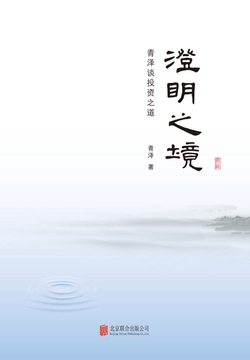
From an editor's perspective, the book's value lies in the slow-thinking reading experience it offers. In an age of information overload, Cheng Zheng does not chase trends or peddle anxiety; instead, with an unhurried style he guides readers back to inner stillness and reflection. The book's discussion of the usefulness of the useless, its reassessment of the value of leisure, and its tracing of spiritual resources in traditional culture all reveal the author's deep humanistic cultivation and independent intellectual stance. Such writing is especially precious today—it does not supply answers but provokes questions; it does not deliver conclusions but opens conversations.
It is worth noting that although the book touches on traditional culture, it is not an academic treatise; it takes personal reflections as its starting point, with an approachable, readable language while its ideas deepen layer by layer. Readers can sense a kind of slow-simmered warmth of thought, suited to being savored in quiet moments.
Who it's for
A good fit for
- Readers who enjoy calm reflection and value inner experience
- Those with an initial interest in traditional Chinese culture and aesthetics who seek an accessible introduction
- Urban dwellers seeking spiritual relief and a dwelling place for the mind amid a fast-paced life
- Literature lovers who prefer prose essays and appreciate plain yet profound writing
Not a good fit for
- Readers expecting tight plotting and strongly narrative works
- Readers seeking systematic knowledge or practical guidance
Reading tips
- Recommended to read slowly, a piece or two at a time, in a relatively quiet and undisturbed setting, leaving room for afterthought
- You may keep notes while reading, recording passages that resonate or provoke thought, but do not rush to understand everything; the focus is on feeling the state of mind behind the words
- If certain concepts of traditional culture mentioned in the book interest you, you may look them up separately, but there is no need to interrupt the continuous reading experience for that
About the publisher
Jiangsu People's Publishing House is known for works in history, literature and the social sciences. Judging from its catalog, it focuses on modern Chinese history, classical literary appreciation and scholarly research. Representative titles include historical works such as Kuomintang-Communist Cooperation and the National Revolution, 1924–1927 and A Record of Combat on the Front Lines of China's War of Resistance Against Japan, literary and visual documents such as Sun Wen's Illustrated Complete Dream of the Red Chamber, and scholarly collections such as Chen Yinke's Collected Works of Hanliu Hall. Translations such as The Dust Bowl and Anti-Intellectualism in American Life reflect an interest in overseas social and cultural studies. Its authors include historians Wang Qisheng, Huang Yuzhang and Guo Rugui, as well as figures associated with classical literature such as Cao Xueqin and Sun Wen. Common categories include history, literary appreciation, essays and miscellaneous writings, and social-science and cultural titles, showing a balance between historical scholarship and literature and between academic and popular publishing. Because public information is limited, this overview is based only on the books in the catalog.
Contents
- 版权信息
- 前言
- 江阴—我心中的丰碑 (曹鹏)
- 童年生活
- 音乐启蒙
- 抗敌斗争
- 改名曹鹏
- 为乐而生
- 学习在江阴,教我如何不想她! (顾明远)
- 佳音频传 (沈鹏)
- 想她,我的故乡 (沈鹏)
- 《教我如何不想她》琐忆 (刘育熙)
- 黎明前稚嫩的童音
- 当小提琴“唱”起了《怀念祖国》
- 从“伦敦回响”到“百年英伦回响”
- “教我如何不想她”
- 由“布码头”联想到的事 (顾铭洪)
- 我是江阴人 (陈复澄)
- 根在哪里? (徐福祥)
- 七十余年记忆中的家乡江阴 (崔治中)
- 我的成长—从崔巷上到江阴城
- 我的惊喜—家乡变化日新月异
- 我的好婆 (陈章元)
- 可有故乡船 (薛永兴)
- 江城子 (夏坚勇)
- 三场电影 (陈太平)
- 神秘花园 (封一函)
- 上学记忆之金童桥小学 (叶兆言)
- 经典滋味 (邬丽雅)
- 暨阳江上月徘徊一地乡思秋竹园 (张锡庚 夏俊)
- 桂花摇落江南秋 (方华敏)
- 月城·水韵 (张良才)
- 茅场埂随思 (柳建伟)
- 父亲的乡愁,我的乡情 (叶军燕)
- 此心安处是吾乡 (孙建新)
- 何人不起故园情 (姚炳洪)
- 老家印象 (王建)
- 江阴—我深深眷恋的地方 (俞敏洪)
- 她 (庞培)
- 醉江阴 (尹洪东)
- 在第二故乡度过的青春岁月 (王文学)
- 我和江阴一见如故 (蒋青)
- 江阴的米酒 (陆文勤)
- 夏日记趣 (周东亮)
- 听见江阴 (金啸峰)
- 情满“江阴外滩” (邹鹏辉)
- 不忘初心寄乡情 (杨健)
- 暨阳诗韵·家乡山水 (承洁)
- 一、题兴国塔
- 二、题季子墓重建
- 三、游胜水桥得句
- 四、游子胥过江口亭有感
- 五、水调歌头·游徐霞客故居抒怀
- 距离家乡,是远是近? (江胜信)
- 天底下最美的那首校歌 (何雅青)
- 我的江阴小令 (刘艳萍)
- 青头菜
- 马蹄酥
- 蟛蜞螯
- 幸福如你 (沫以)
- 有酒且醉“蓉城霞” (邢盈)
- 老街印象 (寇丽莉)
- 宝藏时光 (缪丽芳)
- (一)独在异乡
- (二)重回仙境
- (三)人文孕育
- (四)求学历程
- 延陵外婆家 (陈湘华)
- 一万公里的思念 (沈茜)
- “教我如何不想她”—首届“刘半农诗歌奖”获奖作品在江阴。以一根碳条的姿势,速写刘半农先生(外二首) (虞姚)
- 以小写意的笔触,叙述江阴的山水人文
- 渡江战役纪念馆
- 江阴古诗词拾萃以及我的4行新诗拓片 (燃烧的雪)
- 在江阴,思念被赋予别样的听力(组诗) (苏真)
- 于无声处
- 归期
- 听惊雷
- 忆旧游
- 风起了
- 江阴之诗(组诗) (艾川)
- 大江在侧
- 鹅鼻积雪
- 顾山红豆
- 刘半农的江阴,教我如何不想你(组诗) (陈于晓)
- 桨声里的长泾老街
- 故居里的徐霞客
- 在石湾听石
- 红豆生顾山
- 春色三分,两分闹着狮山湖
- 鹅鼻入江海
- 家在江边住
- 江阴月
- 刘半农的江阴,教我如何不想你
- 人文江阴:穿越历史的苍空与烟雨(组诗) (孙梧)
- 延陵墟
- 徐霞客
- 教我如何不想她
- 红豆树
- 心经碑
- 江阴风韵(组诗) (张增伟)
- 泾河老街
- 在徐霞客墓前
- 赛龙舟
- 渡江战役纪念馆
- 想起星星般的你与村落(组诗) (张沐兴)
- 江阴油菜地里的星星
- 沉迷于光影的刘半农
- 刘半农,迷恋事物内部的光
- 水帘村
- 江阴:山水之间的均匀呼吸(组诗) (丁小平)
- (一)
- (二)
- (三)
- (四)
- (五)
- (六)
- 五行,大江之阴(组诗) (李鹏鹏)
- 金
- 水
- 木
- 火
- 土
- 大美江阴,教我如何不想她(组诗) (瘦石别园)
- 忠义街,一卷名倾天下的波光粼粼
- 霞客大道,带我回家
- 在天下第一村,把所有的乡愁喊停
- 在大美江阴,和刘半农先生虚设一场对饮
- 水国(组诗) (宗昊)
- 水国
- 锄月的人
- 夜歌
- 黄山湖
- 长泾老街
- 鹅鼻嘴公园信札
- 最江阴(组诗) (苏美晴)
- 在江阴滨江中路的夜晚
- 江阴大桥,我有了几次飞跃
- 秋水潭,写在江阴胸襟上的修辞
- 徐霞客故居,留下山水的吟哦
- 黄山湖,一粒鸟啼留下蛛丝马迹
- 华西村,天下第一村浩瀚的笔力,令人折服
- 鹅鼻嘴公园,逶迤临江的诗赋
- 在江阴的节场,截留一段幸福与繁茂的诗词
- 江阴记(组诗) (代红杰)
- 江阴来信
- 香樟树
- 徐霞客故居
- 芙蓉记事
- “教我如何不想她?”
- 游园
- 江阴的诗意表述(组诗) (杨万宁)
- 在江阴,教我如何不想他 —致敬刘半农先生
- 听刘天华二胡曲《光明行》
- 在华西村,黄金牛是一种象征
- 与长泾古镇书
- 江阴身份(组诗) (杨康)
- 观江者
- 游村者
- 入庄者
- 登山者
- 拾豆者
- 腾空者
- 鹅鼻嘴,半山亭(组诗) (汪汪)
- 鹅鼻嘴,半山亭
- 江阴要塞
- 过悟空寺
- 荷花渡
- 江阴,以内心的鱼米粜取春江花月(组诗) (悦风)
- 江阴诗篇:暨阳旋律的时代赞歌(组诗) (张元)
- 澄,乡愁的自我说明
- 好味江南,食在江阴
- 璜土镇,穿行在江南的一天
- 敔山湾,城市中花园
- 狮子山,我与自己握手言和
- 江阴之书(组诗) (许梦熊)
- 刘半农诗文与徐霞客足印追尾江阴(外一首) (笨犇)
- 刘半农诗文与徐霞客足印追尾江阴
- 偶遇江阴
- 词二首 (李海霞)
- 鹧鸪天·大美江阴
- 卜算子·捕鱼归来
- 诗词二首 (郑瑞霞)
- 题江阴(新韵)
- 沁园春·美丽江阴
- 后记
FAQ
What distinguishes this book from the usual inspirational essays?
Do I need a solid grounding in classical Chinese culture to understand it?
Is this book suitable for young people?
Related on WeRead


Comments
Find this book
This site is an index: you start “Search all sources” in your browser, and the entries it lists all point to third-party sites; please judge their availability yourself.
About the author
Cheng Zheng: publicly available information is limited, and at present only one work by this author is known, Chenghuai zhi yin (Voices of a Clear Heart), which falls under the category of prose and miscellaneous writings. From this single work alone it is difficult to sketch the author's life experience or the full scope of his writing. Judging from the title and its classification, however, the writing tends toward the prose essay, perhaps taking a clear and tranquil heart as its guiding idea and using words to record observations and express personal reflections. Works of this kind usually rely not on plot but on the creation of atmosphere and the expression of feeling, with language that seeks to be natural and plain, revealing thought in the small details of daily life. For readers, Chenghuai zhi yin is the main point of entry for understanding Cheng Zheng's writing. Because related introductions are scarce, the author's background, the circumstances that gave rise to the writing, and other activities all await further verification. With insufficient material, this work is best regarded as one slice of the author's creative output, affirming the attempt at prose writing while avoiding excessive inference about achievement and influence.
