

Record of Travels in Dian
Tags
Summary
Editor's review
Who it's for
A good fit for
- Readers interested in the ancient travel-record genre and travel writing
- Readers of literature and history concerned with Yunnan regional documents and southwest observations
- Classical Chinese readers who enjoy note-style records and fragmentary reading
- Students needing ancient travel materials for reference
Not a good fit for
- Travelers expecting modern tourist guides and route recommendations
- Beginners who find classical Chinese difficult and need sentence-by-sentence translation
- Readers who prefer complete story structure and character plots
Reading tips
- Read in itinerary order, marking place names as you go to form your own route map.
- Compare with a modern map of Yunnan to identify changes in place names and roads past and present.
- Pause at descriptions of local features to make brief notes, accumulating regional observation material.
- You may first read sections of interest; there is no need to read from beginning to end.
Contents
- 版权信息
- 一
- 二
FAQ
Is Travels in Yunnan a travel guide?
Can I read this book without a foundation in classical Chinese?
How does reading a travel record differ from reading a gazetteer?
Is this book suitable as material for researching Yunnan history?
Related on WeRead
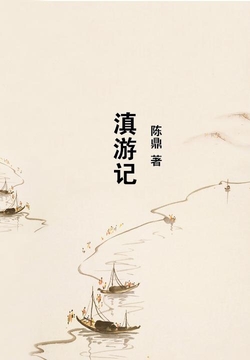 滇游记
 滇游记
 中国首部全手绘漫画:徐霞客滇游记
 滇游日记
 江苏历代文化名人传·徐霞客
 虞初新志(全2册)--中华经典名著全本全注全译丛书(套装全两册)
 跟着徐霞客去旅行
 虞初新志(全2册)--中华经典名著全本全注全译丛书(套装全两册)【第二分册】
 中国历史大辞典
Comments
Find this book
This site is an index: you start “Search all sources” in your browser, and the entries it lists all point to third-party sites; please judge their availability yourself.
About the author
Chen Ding — public information about his life and nationality is limited and awaits further verification. Judging from the two works held in the collection, his writing covers both historical biography and travel literature. The Biographies of Donglin figures records the deeds of Donglin personages and belongs to the tradition of historical biography, with an emphasis on preserving individual conduct and the lineage of a scholarly circle. Record of a Journey to Yunnan, by contrast, uses travel observations as its thread, documenting the landscapes, local conditions, and customs of Yunnan. Though different in subject—one leaning toward biographical history, the other toward geographical travel writing—both works share a strong documentary character; their language is mainly expository, attending to factual detail and the preservation of observations. Because biographical material on the author is insufficient, his associations, intellectual lineage, and the full scope of his writings cannot yet be described in detail. The extant works nonetheless show Chen Ding's interest in both historical figures and local customs, and they offer some reference value for understanding the relevant groups of figures and conditions in southwestern China.
