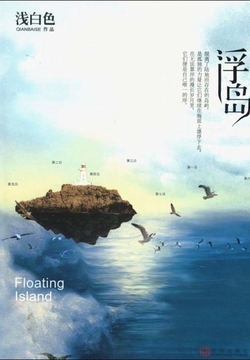
Floating Island cover

Floating Island

Rating 3.2
Word count
63K words
Chapters
16

Tags

Summary

Looking from outside into the old wooden room, if there was lamplight it was set against the invasion of the noon daylight, and the lamplight seemed less dazzling for it. In fact, with light passing through the openwork carved window, the scene inside and out was much like this. Yet once the dark window cloth was drawn, all one could see was the attitude of the room's air refusing the light.

Editor's review

Floating Island is a compact work of restrained temperament. From the surviving fragments, the narrator observes the outside world with extreme care: light passes through the carved window, the lamplight loses its edge under the noon sun, and the dark window cloth screens off not only the room's darkness but an attitude that refuses light. This mode of writing layers physical space over psychological state, giving everyday scenes symbolic weight. It is driven not by events but by the accumulation of sensory detail and atmosphere, suited to readers willing to chew over a short text again and again. A caution: information about the work is limited, so readers are best advised to enter with an open mind, not presuming a plot direction but following the rhythm of the prose to feel the isolation and suspension of the "floating island." For readers who prefer a clear storyline and character arcs, this small book may feel too spare.

Who it's for

A good fit for

  • Literary readers who enjoy atmosphere and sensory description and do not depend on strong plot
  • Readers who prefer short or compact texts and are willing to read closely and repeatedly
  • Readers sensitive to imagery and attentive to spatial and psychological metaphor
  • Those who want a quiet reading experience in fragmented time

Not a good fit for

  • Readers expecting a complete storyline, clear character conflict, and resolution
  • Readers who prefer fast-paced, strongly dramatic narrative
  • Readers impatient with texts that leave much unsaid and carry low information density

Reading tips

  1. Slow down and notice the recurrence and variation of images such as light, window cloth, and air
  2. Pause for a moment after reading and recall the specific feeling that "an attitude refusing light" leaves with you
  3. Try reading passages aloud to feel the rhythm of the sentences and the narrative distance
  4. Do not rush to look for meaning; first record your immediate impressions, then return and sort through them

Contents

  1. 版权信息
  2. 第一章
  3. 第二章
  4. 第三章
  5. 第四章
  6. 第五章
  7. 第六章
  8. 第七章
  9. 第八章
  10. 第九章
  11. 第十章
  12. 第十一章
  13. 第十二章
  14. 第十三章
  15. 第十四章
  16. 第十五章

FAQ

What kind of story does this book tell?
From the available material, the work does not present a complete plot summary; the fragment focuses on the narrator observing the interior of the old wooden room from outside: the visual relationship formed by lamplight, daylight, the carved window, and the dark window cloth. Rather than asking where the story goes, it is better to treat it as a piece of psychological writing mediated by space and light, with atmosphere and imagery as the focus of reading.
Does a short length mean thin content?
Short length does not equal thin content, but it does mean more is left unsaid. The value of such texts often lies in the density of detail and the texture of the language rather than in information. Readers used to finding satisfaction in plot progression may find it insufficient; readers willing to dwell on a small amount of text may discover layers.
Is it suitable as bedtime reading?
Fairly suitable. The text is quiet in temperament and slow in pace, does not rely on suspense, and will not produce strong emotional swings. But because its imagery tends toward the cold and its atmosphere toward the dark, readers sensitive to solitude may also choose to read it in the daytime and linger over it afterward.

Related on WeRead

Comments

Find this book

This site is an index: you start “Search all sources” in your browser, and the entries it lists all point to third-party sites; please judge their availability yourself.

About the author

莫图 Author

Mo Tu is an author about whom limited public information is currently available; only one work, the social novel Floating Island, is included in the library. From the existing information, Mo Tu is not yet widely known to the general public, and basic details such as nationality, dates of birth and death, and English name have not been clearly recorded, making it difficult to outline a complete biography. As for Floating Island, the work is classified as a social novel, suggesting that its writing tends to focus on social reality and the circumstances of its characters, using narrative to present the position and fate of individuals within social structures. The title Floating Island itself carries imagery of drifting and isolation, perhaps hinting at the work's reflection on the relationship between people and their environment. Because verifiable material is limited, judgments about Mo Tu's writing style, creative trajectory, and the influence of the work can currently be made only on the basis of this single work, and further information awaits subsequent supplementation and confirmation.

Top rated in the same category