

Cangming
Tags
Summary
Editor's review
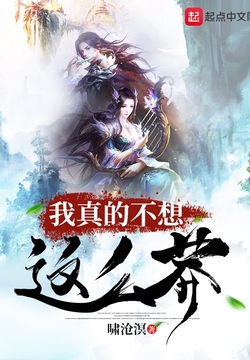
As an editor, I believe the book's core value lies in its creation of an "epic feel." The author does not stop at the monster-slaying and leveling-up formula, but probes weighty themes such as power, faith, civilizational conflict, and individual choice. Multiple narrative lines run in parallel, the cast is richly drawn, and the attention given to the fates of supporting characters in particular makes the world feel real and cruel. In terms of language, Xiao Cangjie excels at vivid short sentences and symbolic imagery; battle scenes are grand, while dialogue in quieter passages is full of subtle thrust and counter-thrust, rewarding close reading.
Readers should be warned that the opening carries a large amount of information and lays out the setting densely, requiring some patience to get through. But once past this threshold, one becomes immersed in its tightly interlocking plot and profound character arcs. It is not merely a story of power and conquest, but a philosophical inquiry into "what makes a human" and "what makes a god," wrapping sharp metaphors about the real world inside a fantasy shell.
Who it's for
A good fit for
- Hardcore fantasy readers who love expansive worldbuilding and rigorous settings
- Web-fiction readers who appreciate beautiful prose with literary texture
- Readers interested in the rise and fall of civilizations and the reconstruction of myth
- Readers who can accept a slow-burn opening and enjoy long-form immersive plotting
Not a good fit for
- Readers seeking light, casual, fast-paced power fantasy
- Readers impatient with complex character relationships and multi-strand narration
Reading tips
- When reading the first 30 pages, it is advisable to consult the maps and race-setting appendix to help establish the worldbuilding framework quickly.
- The book plants many seeds; pay attention to details and hints in dialogue, as they often echo later in the story.
- Watch for the clashes of values between the protagonist Lan and several major supporting characters—this is key to understanding the story's deeper themes.
About the publisher
Founded in Wuhan in 1955, Yangtze River Literature and Art Publishing House is a literary publisher under Hubei Changjiang Publishing and Media Group. Public information is limited, so the following focuses on the publishing directions reflected in the books in our database. The press publishes modern and contemporary Chinese literature, classical literary studies, translated foreign literature and educational works. Its catalog includes Chen Yinke's Studies on the Origins of Sui and Tang Institutions and On Tang Political History and The Unofficial Biography of Liu Rushi, Lao She's Camel Xiangzi and Four Generations Under One Roof, and Selected Essays of Lu Xun, as well as translations such as Yasunari Kawabata's Snow Country and educational writings by Sukhomlinsky. Its publishing character lies in balancing literary classics with scholarly works, with attention to textual editing and the accumulation of major authors' works; its author resources span leading modern writers, historians and foreign authors.
Contents
- 版权信息
- 沧溟
- 【一】
- 1
- 2
- 【二】
- 1
- 2
- 3
- 【三】
- 1
- 2
- 3
- 4
- 5
- 6
- 7
- 8
- 【四】
- 1
- 2
- 【五】
- 1
- 2
- 3
- 【六】
- 1
- 2
- 3
- 【七】
- 1
- 2
- 3
- 【八】
- 1
- 2
- 3
- 4
- 【九】
- 1
- 2
- 3
- 【十】
- 1
- 2
- 3
- 【十一】
- 1
- 2
- 【十二】
- 1
- 2
- 3
- 4
- 5
- 6
- 【十三】
- 1
- 2
- 3
- 4
- 【十四】
- 1
- 2
- 3
- 4
- 【十五】
- 1
- 2
- 3
- 4
- 【十六】
- 1
- 2
- 3
- 4
- 【十七】
- 1
- 2
- 3
- 【十八】
- 1
- 2
- 3
- 【十九】
- 1
- 2
- 【二十】
- 1
- 【番外·若风夫妇】
- 【番外·新的大长老】
- 【番外·新生】
- 【番外·闻风】
- 后记
FAQ
Is Cangming the first book in a series? Is the story complete?
How does this book differ in style from common fantasy novels on the market?
Is the reading threshold high? Do I need to know a lot of background first?
Related on WeRead
Comments
Find this book
This site is an index: you start “Search all sources” in your browser, and the entries it lists all point to third-party sites; please judge their availability yourself.
About the author
Xiao Cangjie is a creator about whom limited public information is currently available. The only known work under this name is Cangming, commonly categorized as "otherworld continent" fiction. Judging from this genre label, Cangming most likely unfolds in a constructed world, telling its story across an alternate continent—a type of otherworld narrative common in Chinese web literature. Because the author's nationality, dates of birth and death, English name, and other details are not found in available records, their writing career and habits cannot yet be verified, and discussion must center on the work itself. For readers, the name Xiao Cangjie currently serves mainly as a clue for approaching Cangming: it suggests that the author chose a fully realized world setting as the starting point of the narrative. Whether more works in the same vein will follow remains to be seen as public information grows.
