

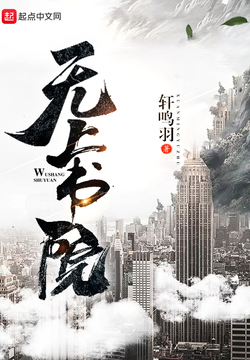
The Supreme Book
Tags
Summary
Editor's review
Who it's for
A good fit for
- Beginner readers curious about Buddhist thought but unsure where to start
- General readers who want light reading in spare moments
- People who enjoy hearing ordinary people share long-term reading insights
- Readers who need plain writing to soothe their minds
Not a good fit for
- Readers seeking systematic Buddhist textbooks or detailed sectarian doctrine
- Researchers expecting academic textual research, version comparison, or rigorous argumentation
- Readers hoping for guidance on specific practice rituals
Reading tips
- Treat it as reading notes rather than a textbook; read one or two sections at a time without rushing.
- When you hit a resonant sentence, close the book and recall the corresponding experience in your own life.
- Keep a pen handy to note questions in the margins, then return to organize your understanding after finishing.
- If a concept interests you, seek out the relevant original scriptures or reliable commentaries for further reading.
Contents
- 版权信息
- 前言
- 《摩诃般若》
- 真心品(一)
- 真心品(二)
- 自性品
- 本源品
- 顿渐品(一)
- 顿渐品(二)
- 感恩品
FAQ
Is this book suitable for someone with no Buddhist background at all?
Does the book contain systematic explanations of Buddhist scriptures or practice methods?
Why does the author ask readers to "treasure it and cherish it"?
Related on WeRead
Comments
Find this book
This site is an index: you start “Search all sources” in your browser, and the entries it lists all point to third-party sites; please judge their availability yourself.
About the author
Daojun: little verifiable public information is available about this author's identity or background. At present, only one work is known under this name, and no specific title is listed among representative works. According to the in-house classification, the book falls under literary appreciation, suggesting that the writing centers on literary works, whether through close reading and commentary or through an appreciative approach that guides readers into the text. Because details such as biography, nationality, and dates of birth and death are all unknown, public information is very limited, and it is not possible to trace the author's creative career or scholarly lineage. On the available evidence, Daojun appears to be a writer known to readers through a single work, whose value is best judged by readers from this piece of literary appreciation itself. Rather than speculating about origins, it is more useful to return to the work: how it selects and evaluates texts, how it shapes critical language, and what help such writing can offer ordinary readers in understanding literature.
