

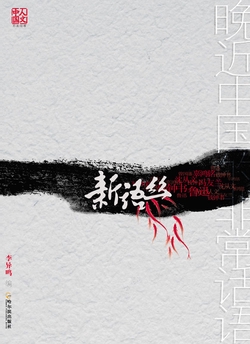
New Threads of Words
Tags
Summary
Editor's review
Who it's for
A good fit for
- Readers who enjoy note-form, fragmented reading
- Readers interested in details of human nature and slices of an era
- Teachers who need short pieces for writing or classroom discussion
- People who want to read a few short pieces during commutes or before bed
Not a good fit for
- Readers expecting complete long-form narrative or rigorous argumentation
- Readers who only accept plot-driven fiction
- Readers lacking patience for the traditional note genre
Reading tips
- Read the table of contents first and pick categories that interest you—virtue, government affairs, magnanimity—rather than reading in order.
- Pause after every few entries and think about why the figures spoke or acted as they did, then compare with the category.
- Keep a pen handy and note down fragments of words and deeds that move you, building your own observational material.
Contents
- 第一德行
- 第二人论
- 第三立言
- 第四政事
- 第五武运
- 第六革命
- 第七雅量
- 第八文苑
- 第九识鉴
- 第十专致
- 第十一骨气
- 第十二意志
- 第十三狂狷
- 第十四深爱
- 第十五性情
- 第十六人情
- 第十七反叛
- 第十八变异
- 第十九忠贞
- 第二十感伤
- 第二十一豪迈
- 第二十二幼敏
- 第二十三遗言
- 第二十四敬挽
- 第二十五诙谐
- 第二十六廉耻
- 第二十七爱憎
- 第二十八挚谊
- 第二十九风尚
- 第三十民声
- 第三十一时弊
- 第三十二灾难
- 第三十三舆论
FAQ
What is the relationship between this book and A New Account of Tales of the World?
Without coherent plot, how should one read it?
Is it suitable as writing material?
Related on WeRead



Comments
Find this book
This site is an index: you start “Search all sources” in your browser, and the entries it lists all point to third-party sites; please judge their availability yourself.
About the author
Li Yiming, whose real name is Li Ming, was born in Xupu, Hunan in 1977. He is a contemporary Chinese freelance writer and book editor, currently living in Changsha. He graduated from Central South University in 2000 and once served as president of the university's Lusha Poetry Society. Public information about him is limited, and details of his personal life are not widely known. However, the fifty works in the collection suggest the general direction of his writing and editorial work: on the one hand, he takes part in making literary classics accessible and retelling them, touching on major works by modern writers such as Lu Xun, Lao She and Xiao Hong; on the other, he writes widely on parenting, inspirational growth, popular science and history, and compiles foreign literature. Besides writing books such as Fragments of the Three Kingdoms and Youth Dancing in a Mask, he has edited a large number of readings for young people. His writing emphasizes readability and the transmission of knowledge, balancing literary interest with educational growth, and has formed a fairly clear profile between popular reading and the promotion of classics.
