

The Bride
Tags
Summary
Editor's review
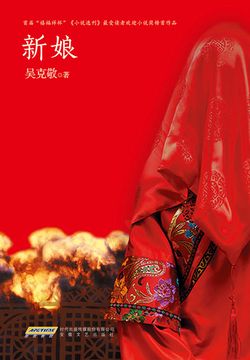
In literary terms, Wu Kejing's language is plain yet full of tension; he excels at building characters through highly visual details: the grandmother's figure in a red bridal dress on the loess slope, the flickering halo of the oil lamp as the mother stitches shoe soles late at night, the daughter's footsteps wandering beneath the city's neon lights... These images carry individual emotional memory while reflecting the deep imprint of changing times on ordinary people. Though titled The Bride, the novel explores far more than marriage itself: it asks the enduring question of how women define themselves and find a fulcrum for life within various social relationships.
Notably, the author does not simply turn the story into an indictment of feudal ethics or a celebration of modern civilization, but presents the complexity and reasonableness of each way of life from an even-eyed perspective. This restrained narrative approach keeps the work from falling into sentimental cliché and gives it greater intellectual weight. For readers familiar with northwestern rural narratives such as White Deer Plain and Ordinary World, The Bride offers another, more woman-centered angle of observation and deserves quiet, attentive reading.
Who it's for
A good fit for
- Readers interested in northwestern rural literature and the theme of women's fate
- Literary enthusiasts who enjoy delicate character portrayal and narratives of changing times
- Readers who wish to understand the living conditions and emotional worlds of women across generations
- Readers who appreciate plain, substantial language rich in the texture of everyday life
Not a good fit for
- Readers who prefer fast-paced genre fiction with strong plot conflicts
- Readers with little interest in rural themes and regional culture
Reading tips
- Pay attention to the recurrence and symbolic meaning of core images such as the red bridal dress, the loess slope, and the oil lamp
- Read alongside the author's earlier work Blue Flowers in Handcuffs to appreciate the continuity and deepening of his creative trajectory
- While reading, note the subtle differences in the three generations of women's attitudes toward marriage, which reflect changing values across eras
About the publisher
Founded in 1984, Anhui Literature and Art Publishing House is a professional literary and art publisher. Its collection of 389 titles spans classic works, essays and miscellaneous writings, Eastern philosophy, folk literature, classical literature and design. Representative books include Lao She's Camel Xiangzi, Laozi's Dao De Jing, Luo Guanzhong's Romance of the Three Kingdoms, and the Shakespeare drama collection featuring Hamlet, King Lear, Macbeth and Othello, with Zhu Shenghao's translations adding luster to the series. Its author resources range from classic Chinese and foreign writers such as Lao She, Laozi, Luo Guanzhong and William Shakespeare to translators and authors including Zhu Shenghao, Li Chensen and Liang Sicheng. The publisher is characterized by its balance of Chinese and foreign literary classics with traditional culture titles, combining scholarly value with popular reading. Public information is limited, and the above is based mainly on the books in the collection.
Contents
- 版权信息
- 前引
- 上篇 新娘
- 一
- 二
- 三
- 四
- 五
- 六
- 七
- 八
- 九
- 十
- 十一
- 十二
- 十三
- 十四
- 十五
- 十六
- 十七
- 十八
- 十九
- 中篇 废戒
- 一
- 二
- 三
- 四
- 五
- 六
- 七
- 八
- 九
- 十
- 十一
- 十二
- 十三
- 十四
- 十五
- 下篇 断臂
- 一
- 二
- 三
- 四
- 五
- 六
- 七
- 八
- 九
- 十
- 十一
- 十二
- 十三
- 十四
- 十五
- 十六
- 十七
- 十八
- 后记
FAQ
How is this novel related to the author's earlier work Blue Flowers in Handcuffs?
What is the narrative style of the novel?
Is this book suitable as reading for understanding the local customs of northern Shaanxi?
Related on WeRead


Comments
Find this book
This site is an index: you start “Search all sources” in your browser, and the entries it lists all point to third-party sites; please judge their availability yourself.
About the author
Wu Kejing is a writer whose publicly available personal information is limited; the only library record currently available shows one work, the social novel The Bride. As no clear records of birth and death dates, place of origin, education, or writing career are available, this note can only offer a brief account of the writing that has appeared so far. Judging from the classification of The Bride as a social novel, Wu Kejing's work attends to real life and the fate of ordinary people, and tends to use marriage, family, and other social relationships as entry points to reflect broader conditions of the times and the warmth and coldness of human affairs. Such subject matter usually requires keen observation of everyday details and a sympathetic grasp of characters' circumstances in the narrative. Given the existing materials, Wu Kejing's writing awaits further works and criticism; readers may regard the author as one concerned with social reality, while the style and influence remain to be further understood.
