

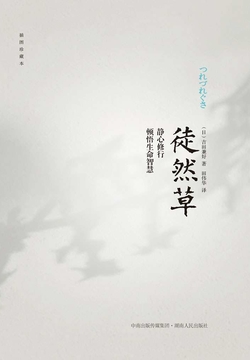
Essays in Idleness
Tags
Summary
Editor's review
Who it's for
A good fit for
- Readers with a strong interest in Japanese classical literature and culture
- Thinkers who enjoy essays and aphoristic writing and seek inspiration in fragmented reading
- Modern people caught up in busy city life who long for a moment of tranquility and detachment in words
- Writers and artists hoping to draw on condensed expression and a distinctive aesthetic perspective
Not a good fit for
- Readers seeking a complete, coherent plot or strong dramatic conflict
- Readers impatient with classical texts and unaccustomed to jumpy, fragmentary narration
Reading tips
- Do not feel bound to read in order; browse at will and start from any section to savor its "offhand" charm.
- Read alongside the notes to learn the historical background and allusions, which will deepen your appreciation of the subtle references and humor in the text.
- Try reading a few sections in quiet moments at dawn or before bed; savoring them calmly will draw you into their mood more than reading large portions at once.
About the publisher
Beijing United Publishing Co., Ltd. is a publisher known for its literature and history titles, with 2,065 books in the collection. Its publishing covers foreign literature, contemporary Chinese prose and essays, history, folk literature, and cultural books. Its list ranges from Sima Qian's complete edition of the Records of the Grand Historian to foreign classics such as The Book of Disquiet, All Quiet on the Western Front, Snow Country, The Stranger, and Jean-Christophe, as well as modern Chinese works including Teahouse and Dawn Blossoms Plucked at Dusk. Its authors and translators include Yasunari Kawabata, Fernando Pessoa, Erich Maria Remarque, Jin Xinyi, Zhou Miao, and Chen Chao. Public information is limited, but its catalogue reflects a balance between Chinese and foreign literary classics and historical and cultural works.
Contents
- 版权信息
- 《徒然草》抄·小引
- 译序
- 序段
- 第一段
- 第二段
- 第三段
- 第四段
- 第五段
- 第六段
- 第七段
- 第八段
- 第九段
- 第十段
- 第十一段
- 第十二段
- 第十三段
- 第十四段
- 第十五段
- 第十六段
- 第十七段
- 第十八段
- 第十九段
- 第二十段
- 第二十一段
- 第二十二段
- 第二十三段
- 第二十四段
- 第二十五段
- 第二十六段
- 第二十七段
- 第二十八段
- 第二十九段
- 第三十段
- 第三十一段
- 第三十二段
- 第三十三段
- 第三十四段
- 第三十五段
- 第三十六段
- 第三十七段
- 第三十八段
- 第三十九段
- 第四十段
- 第四十一段
- 第四十二段
- 第四十三段
- 第四十四段
- 第四十五段
- 第四十六段
- 第四十七段
- 第四十八段
- 第四十九段
- 第五十段
- 第五十一段
- 第五十二段
- 第五十三段
- 第五十四段
- 第五十五段
- 第五十六段
- 第五十七段
- 第五十八段
- 第五十九段
- 第六十段
- 第六十一段
- 第六十二段
- 第六十三段
- 第六十四段
- 第六十五段
- 第六十六段
- 第六十七段
- 第六十八段
- 第六十九段
- 第七十段
- 第七十一段
- 第七十二段
- 第七十三段
- 第七十四段
- 第七十五段
- 第七十六段
- 第七十七段
- 第七十八段
- 第七十九段
- 第八十段
- 第八十一段
- 第八十二段
- 第八十三段
- 第八十四段
- 第八十五段
- 第八十六段
- 第八十七段
- 第八十八段
- 第八十九段
- 第九十段
- 第九十一段
- 第九十二段
- 第九十三段
- 第九十四段
- 第九十五段
- 第九十六段
- 第九十七段
- 第九十八段
- 第九十九段
- 第一百段
- 第一百〇一段
- 第一百〇二段
- 第一百〇三段
- 第一百〇四段
- 第一百〇五段
- 第一百〇六段
- 第一百〇七段
- 第一百〇八段
- 第一百〇九段
- 第一百一十段
- 第一百一十一段
- 第一百一十二段
- 第一百一十三段
- 第一百一十四段
- 第一百一十五段
- 第一百一十六段
- 第一百一十七段
- 第一百一十八段
- 第一百一十九段
- 第一百二十段
- 第一百二十一段
- 第一百二十二段
- 第一百二十三段
- 第一百二十四段
- 第一百二十五段
- 第一百二十六段
- 第一百二十七段
- 第一百二十八段
- 第一百二十九段
- 第一百三十段
- 第一百三十一段
- 第一百三十二段
- 第一百三十三段
- 第一百三十四段
- 第一百三十五段
- 第一百三十六段
- 第一百三十七段
- 第一百三十八段
- 第一百三十九段
- 第一百四十段
- 第一百四十一段
- 第一百四十二段
- 第一百四十三段
- 第一百四十四段
- 第一百四十五段
- 第一百四十六段
- 第一百四十七段
- 第一百四十八段
- 第一百四十九段
- 第一百五十段
- 第一百五十一段
- 第一百五十二段
- 第一百五十三段
- 第一百五十四段
- 第一百五十五段
- 第一百五十六段
- 第一百五十七段
- 第一百五十八段
- 第一百五十九段
- 第一百六十段
- 第一百六十一段
- 第一百六十二段
- 第一百六十三段
- 第一百六十四段
- 第一百六十五段
- 第一百六十六段
- 第一百六十七段
- 第一百六十八段
- 第一百六十九段
- 第一百七十段
- 第一百七十一段
- 第一百七十二段
- 第一百七十三段
- 第一百七十四段
- 第一百七十五段
- 第一百七十六段
- 第一百七十七段
- 第一百七十八段
- 第一百七十九段
- 第一百八十段
- 第一百八十一段
- 第一百八十二段
- 第一百八十三段
- 第一百八十四段
- 第一百八十五段
- 第一百八十六段
- 第一百八十七段
- 第一百八十八段
- 第一百八十九段
- 第一百九十段
- 第一百九十一段
- 第一百九十二段
- 第一百九十三段
- 第一百九十四段
- 第一百九十五段
- 第一百九十六段
- 第一百九十七段
- 第一百九十八段
- 第一百九十九段
- 第二百段
- 第二百〇一段
- 第二百〇二段
- 第二百〇三段
- 第二百〇四段
- 第二百〇五段
- 第二百〇六段
- 第二百〇七段
- 第二百〇八段
- 第二百〇九段
- 第二百一十段
- 第二百一十一段
- 第二百一十二段
- 第二百一十三段
- 第二百一十四段
- 第二百一十五段
- 第二百一十六段
- 第二百一十七段
- 第二百一十八段
- 第二百一十九段
- 第二百二十段
- 第二百二十一段
- 第二百二十二段
- 第二百二十三段
- 第二百二十四段
- 第二百二十五段
- 第二百二十六段
- 第二百二十七段
- 第二百二十八段
- 第二百二十九段
- 第二百三十段
- 第二百三十一段
- 第二百三十二段
- 第二百三十三段
- 第二百三十四段
- 第二百三十五段
- 第二百三十六段
- 第二百三十七段
- 第二百三十八段
- 第二百三十九段
- 第二百四十段
- 第二百四十一段
- 第二百四十二段
- 第二百四十三段
FAQ
What is the core thought of Tsurezuregusa?
How does this book differ from The Pillow Book?
What are the features of this edition?
Related on WeRead
Comments
Find this book
This site is an index: you start “Search all sources” in your browser, and the entries it lists all point to third-party sites; please judge their availability yourself.
About the author
Yoshida Kenkō is an important author of classical Japanese essay literature. Publicly available information about the details of his life is limited, and his dates of birth and death and nationality are not specified in the records available here. He is best known to later readers for Tsurezuregusa, a collection of essays that records observations and reflections on life, nature, and human affairs in a concise and polished style, combining a leisurely tone with a cool, detached sensibility. Six of his works are held here, including several editions of Tsurezuregusa, an illustrated collector's edition, and a two-volume set pairing it with The Pillow Book under the title Two Masterpieces of Japanese Essays. These works are usually classified as essays and miscellaneous writings and as foreign literature, indicating that his writing consists mainly of short, deeply resonant prose. Tsurezuregusa has long been regarded as one of the representatives of the Japanese essay tradition and has had a lasting influence on later prose writing and reflection on life.
