

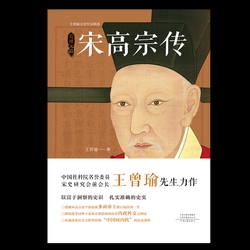
Biography of Emperor Gaozong of Song
Tags
Summary
Editor's review
Who it's for
A good fit for
- Readers with a strong interest in Southern Song history, especially the Song-Jin peace and war and the Yue Fei affair
- Readers who wish to go beyond simple good-and-evil judgments and deeply understand the decision-making logic of complex historical figures
- Readers who enjoy rigorous and objective historical biographies based on solid sources
- Readers concerned with the study of ancient Chinese political operation and imperial mentality
Not a good fit for
- Readers seeking light entertainment or novelistic legendary stories
- Readers expecting a single moral judgment or simple revisionist vindication of Emperor Gaozong
Reading tips
- Before reading, it helps to have a general understanding of the Jingkang Incident at the end of the Northern Song and the basic background of the early Southern Song, which aids comprehension of Gaozong's accession environment.
- The book involves a large number of historical figures and events; it is advisable to take notes to sort out relationships and chronology.
- Combining the book's analysis of Gaozong's psychology and decisions, one may reflect on the complex interaction between personal character, real pressure, and long-term consequences in history.
About the publisher
Founded in 1996, Henan Literature and Art Publishing House mainly publishes books on literature and art, social sciences and broadly cultural subjects, and also edits and publishes the journal Celebrity Biography, gradually forming a publishing style characterized by full-length historical novels and biographical literature. Judging from the 269 titles in the database, its publishing scope also covers mystery and detective fiction, foreign literature, classic works and world classics. Representative books include Ellery Queen's four tragedies, Slaughterhouse-Five, Blindness, The Siege of Lisbon, The History of the Siege of Lisbon, the ten-volume Collected Works of Wang Zengqi, Old Tales Retold and the two-volume Classic Short Stories of Stanisław Lem, the God of Science Fiction. In terms of authors, it includes foreign masters such as Kurt Vonnegut, José Saramago and Ellery Queen, as well as translators such as Yang Xi, Yu Jianhua and Fan Weixin.
Contents
- 版权信息
- 第一章 深宫的花花太岁
- 第二章 厄运中之幸运
- 第三章 南京登基
- 第一节 顺利继位
- 第二节 李纲拜罢
- 第三节 杀陈东和欧阳澈
- 第四章 维扬惊梦
- 第一节 宗泽赍志以殁
- 第二节 仓皇逃窜 扬州劫难
- 第三节 下诏罪己
- 第五章 苗刘之变
- 第一节 逊位和复辟
- 第二节 劫后余波
- 第六章 航海流亡
- 第一节 卑辞祈哀
- 第二节 天堑失守
- 第三节 浮海逃生
- 第七章 炎兴之交的纷更
- 第一节 宋金南北对峙的格局
- 第二节 秦桧归宋
- 第三节 吕秦政争 秦桧罢相
- 第八章 战不忘和安不忘逸
- 第一节 频遣使指
- 第二节 鏖兵中决定岁币
- 第三节 和战条陈 遣使争议
- 第四节 赵张睽异 秦桧复出
- 第五节 居危思安
- 第九章 淮西之变
- 第一节 父皇凶耗
- 第二节 岳飞受命节制诸军
- 第三节 宋廷翻覆 岳飞辞职
- 第四节 淮西兵变
- 第十章 力排众议屈辱媾和
- 第一节 赵鼎复相
- 第二节 金废伪齐
- 第三节 挞懒通和 秦桧再相
- 第四节 宰执廷争 金使骄倨
- 第五节 三大将表态
- 第六节 秦桧独相
- 第七节 群情激愤 独断专行
- 第八节 宰执代君 跪拜成礼
- 第九节 大赦余波
- 第十节 八陵之痛
- 第十一节 秦桧扩张相权
- 第十二节 荣枯有别
- 第十三节 李光罢政
- 第十一章 迫令班师
- 第一节 金朝毁约南侵
- 第二节 秦桧恃宠固位
- 第三节 十年之力 废于一旦
- 第十二章 “莫须有”狱与绍兴和议
- 第一节 金人双管齐下
- 第二节 宋朝第二次释兵权
- 第三节 韩岳虚位和罢官
- 第四节 绍兴和议告成
- 第五节 “莫须有”深冤大狱
- 第十三章 窒息式的苟安
- 第一节 皇太后回銮 五国城饮恨
- 第二节 “太平翁翁”的专横
- 第三节 城狐社鼠的作恶
- 第四节 穷奢极侈 贪贿成风
- 第五节 排黜异己 文狱迭兴
- 第六节 文丐奔竞 祥瑞虚饰
- 第七节 格天阁黄粱一梦
- 第十四章 贬逐秦党因循旧政
- 第一节 秦桧亲党的贬斥和保全
- 第二节 重新命相 “讲信修睦”
- 第三节 “更化”和“叙复”
- 第四节 立储的曲折和风波
- 第十五章 应战和退位
- 第一节 宋金再战前夕
- 第二节 危而后安 战而后和
- 第三节 主动退位
- 第十六章 德寿宫颐养
- 第一节 隆兴和议
- 第二节 德寿宫中的人间天堂
- 第三节 死于安乐
- 附录 宋高宗赵构年表
- 跋
- 第一版自序
- 第二版增订本说明
- 第三版自序
FAQ
What is the Douban rating of this book?
How is this book different from other books on Emperor Gaozong on the market?
Is this book difficult to read? Does it require a lot of historical background knowledge?
Related on WeRead



Comments
Find this book
This site is an index: you start “Search all sources” in your browser, and the entries it lists all point to third-party sites; please judge their availability yourself.
About the author
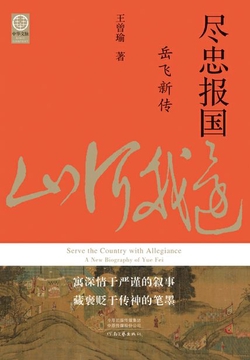
Wang Zengyu is an author focused on the study of historical figures from the Song Dynasty. Public information about him is limited; two of his works can currently be confirmed, both falling under the general category of biography. His representative works are Biography of Emperor Gaozong of Song and Serving the Country with Utmost Loyalty: A New Biography of Yue Fei. Both books are set against the political and military landscape of the early Southern Song period and center on two key figures, Emperor Gaozong and Yue Fei. Judging from his choice of subjects, the author pays attention to how individuals found themselves situated and made choices within specific historical circumstances, and he seeks to present character and the conflicts of the age on the basis of historical sources. The title Serving the Country with Utmost Loyalty: A New Biography of Yue Fei also suggests that he combines the readability of biography with a reassessment of a traditional image. For Chinese readers who wish to understand the early Southern Song and the lives of Yue Fei and Emperor Gaozong, these two works offer a relatively concentrated point of reference and reflect the author's emphasis on working through historical materials and commenting on historical figures in his biographical writing.
