

South of the River
Tags
Summary
Editor's review
Who it's for
A good fit for
- Readers with a strong interest in the regional culture, history, and literature of Jiangnan
- Literature lovers who enjoy in-depth cultural essays and humanistic travel writing
- Readers seeking tranquility and poetic sensibility amid a clamorous life
- Professionals in cultural research, writing, or related fields
Not a good fit for
- Readers seeking fast-paced fiction with strong plotting
- Readers looking for practical travel guides or mere introductions to scenic spots
Reading tips
- Slow the pace of reading, perhaps with a cup of tea or Jiangnan silk-and-bamboo music in the background, to sink more fully into the book's atmosphere.
- Pair the reading with further exploration of specific places or figures mentioned in the book (such as Zhang Dai or Su Dongpo) to build a more three-dimensional understanding of Jiangnan culture.
- The chapters stand alone and suit fragmented reading, but reading the whole allows a fuller grasp of the author's overall cultural thread and emotional arc.
About the publisher
Zhejiang Literature and Art Publishing House is a Chinese publisher specializing in literary publishing. Judging from the 808 titles in the database, its publishing areas cover world classics, foreign literature, social novels, folk literature and classic works, as well as modern and contemporary literature and prose. Representative titles include foreign literary translations such as Anna Karenina, The Temple of the Golden Pavilion, In Praise of Shadows and The Complete Tragedies and Comedies of Shakespeare, alongside classic works by Lao She and Lu Xun such as Camel Xiangzi, Teahouse and Wandering. Its authors and translators include Leo Tolstoy, Cao Ying, Lao She, Yukio Mishima, Jun'ichirō Tanizaki and Zhu Shenghao. The press emphasizes the translation and introduction of classic texts and the compilation of native literary works, giving equal weight to Chinese and foreign literature. Owing to limited public information, its specific series and editorial policies are not elaborated here.
Contents
- 版权信息
- 作者简介
- 主要作品
- 上篇 大江铺长卷
- 有一个故事,叫乌镇
- 乌镇的早晨
- 乌镇的味道
- 乌镇春秋
- 千年的桨声
- 中国,只有一条长江
- 我家住在长江边
- 江南的背影
- 一个人能走多远
- 一江清水向东流
- 下篇 日月舞椽笔
- 谁的宋朝泪在飞
- 江南满江红
- 剑胆琴心
- 南宋的最后一位忠臣
- 风帆起江南(上)
- 风帆起江南(下)
- 赤壁的天空
- “楚”字是这样写成的
FAQ
How does this book differ from common collections of Jiangnan travel essays?
What is Liu Hanjun's background, and how does it shape the writing?
Is the book demanding for readers?
Related on WeRead
 在江之南
 遇见徐熙春:在江南与上海之间
 深渊之上:点亮黑夜温暖我
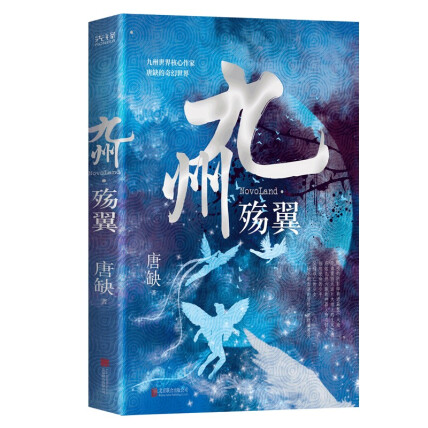 九州·殇翼(一场夺神器救九州的奇幻冒险之旅,大神级作家江南、今何在、潘海天鼎力支持)
 考信录
 资治通鉴·横排版(胡三省注)294卷全
 资治通鉴·竖排版(胡三省注)294卷全
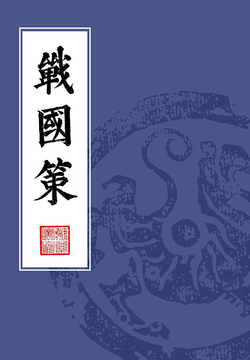 战国策(繁体横排校注版)
 水经注疏
Comments
Find this book
This site is an index: you start “Search all sources” in your browser, and the entries it lists all point to third-party sites; please judge their availability yourself.
About the author
Liu Hanjun is a Chinese author known for his essays and miscellaneous writings. Publicly available information about him is limited, and details such as his birthplace, education, and professional career are not clearly documented. Two of his works are held in the collection: Chu Zi Shi Zhe Yang Xie De and Zai Jiang Zhi Nan. Judging from the titles and their classification, his writing tends to center on Chinese character culture and the scenery and customs of the Jiangnan region, showing a strong flavor of cultural essays and local writing. The former appears to trace the written and calligraphic traditions of the Chu region, while the latter leans toward essays on life and cultural scenes in Jiangnan. Both books fall under essays and miscellaneous writings, suggesting that his work combines knowledge with literary quality and pays attention to cultural detail and personal reflection. Given the limited material, a full assessment of his oeuvre and influence is not yet possible; his direction as a writer can only be understood from these existing works.
