

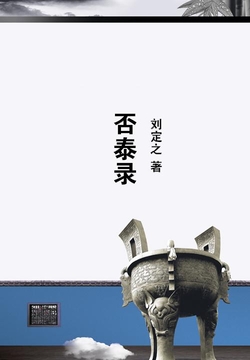
Record of Adversity and Prosperity
Tags
Summary
Editor's review
Who it's for
A good fit for
- Readers interested in Ming notes and historical commentary
- History and literature enthusiasts who wish to understand traditional scholarly views of history
- Students of ancient history and literature seeking to broaden their reading
Not a good fit for
- Readers looking for popular stories and light entertainment
- Readers hoping for a complete general history of the Ming
- Those unaccustomed to classical Chinese argumentative prose
Reading tips
- Read piece by piece; after each entry, first restate the event, then revisit the author's commentary to clarify the movement from event to principle.
- Prepare brief background materials on the Ming and compare them with the people and events in the book to avoid reading out of context.
- Record the book's judgments alongside your own views and use them as thinking notes.
About the publisher
Nanhai Publication Company is a comprehensive publisher known for its literature and arts titles, covering fields such as classical poetry, martial arts fiction, and folk literature. Judging from the more than 1,600 books in the database, the company has released classical poetic works including the Nineteen Old Poems and the Nine Songs, as well as multiple volumes of Huanzhulouzhu's series The Swordsmen of Mount Shu, along with related writings by authors such as Guan Hanqing, Qu Yuan, Zuo Si, and Wang Zhihuan. Its publishing character lies in balancing the organization of classic texts with the dissemination of popular literature, placing poetry anthologies alongside long martial arts novels and presenting a relatively diverse literary profile. Public information is limited, and further details about its editorial practices and series planning remain to be supplemented.
Contents
- 版权信息
- 否泰录
- 否泰录
FAQ
How should the title's “pi and tai” be understood?
Is this book historical material or commentary?
Do I need to be familiar with Ming history before reading this book?
Related on WeRead


Comments
Find this book
This site is an index: you start “Search all sources” in your browser, and the entries it lists all point to third-party sites; please judge their availability yourself.
About the author
L"u Dingzhi's birthplace, dates of birth and death, and other biographical details are not well documented in publicly available sources and remain difficult to verify. Three of his works are held in the collection, the representative one being Pi Tai Lu (also written Fou Tai Lu). In terms of common classification, his works fall under folk literature, classic works, and Eastern philosophy, suggesting that their content deals largely with the rise and fall of human fortunes, the gains and losses of the world, and reflections on the philosophy of life. The title Pi Tai Lu derives from the Pi and Tai hexagrams of the Book of Changes, and the work typically uses the workings of heaven to discuss how misfortune and blessing give rise to one another and how prosperity and decline follow in turn. Its style leans toward argument and reflection, combining the plainness of folk narrative with the speculative flavor of philosophical prose. Because relevant materials are scarce, the details of his life and the full scope of his writing still await further study, and readers may begin with the texts themselves to appreciate his intent of observing worldly affairs through the ideas of Pi and Tai.
