

Record of Separatist Rule in Taiwan
Tags
Summary
Editor's review
Who it's for
A good fit for
- Specialist scholars of Taiwan's history in the Ming-Zheng and early Qing periods
- Scholars of literature and history comparing different historical accounts
- Readers interested in the narrative stance and orthodox views of ancient histories
- Enthusiasts with classical Chinese reading ability and familiarity with Taiwan's historical context
Not a good fit for
- Complete beginners seeking an introduction to Taiwan's general history
- General readers who prefer modern narrative and character-driven stories
- Readers who need vernacular annotation or illustrated popular editions
Reading tips
- Establish a basic timeline of Taiwan's history from the Ming-Zheng period to the early Qing before reading, to avoid misinterpreting events for lack of background.
- Note the book's wording and tone of praise and blame, record its narrative stance, and compare it with local gazetteers and official histories.
- Make brief annotations on people, places and battles to build your own cross-reference table of sources.
- Don't aim to read straight through; study it section by section by event or figure, alongside secondary scholarship.
Contents
- 版权信息
- 台湾割据志
- 一
- 二
- 二
- 三
- 引用书目
FAQ
Does "partisan rule" in the title represent an objective verdict?
Does the unknown author diminish the book's usefulness?
Can beginners read this book directly?
Related on WeRead
 台湾割据志
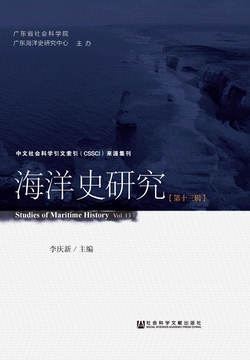 海洋史研究(第13辑)
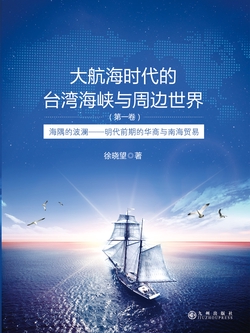 大航海时代的台湾海峡与周边世界.第一卷,海隅的波澜:明代前期的华商与南海贸易
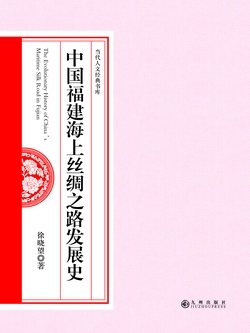 中国福建海上丝绸之路发展史
 血拼的海路:明末清初私人海上贸易
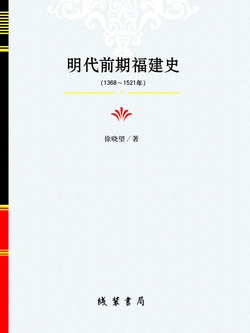 明代前期福建史:1368-1521年
Comments
Find this book
This site is an index: you start “Search all sources” in your browser, and the entries it lists all point to third-party sites; please judge their availability yourself.
About the author
Anonymous is not a real personal name but a general Chinese designation for authors whose names are unknown, lost, or unsigned. Neither nationality nor dates of birth and death can be verified, and available public information is limited, so the works attributed to this name are the only basis for description. The collection holds 2,078 works under Anonymous, spanning medicine, classics, historical readings, ancient poetry, classical literature, and philosophy. Representative works include The Yellow Emperor's Inner Canon: Lingshu, Mencius, The Book of Documents, Nineteen Old Poems, Complete Song Ci, and The Peacock Flies Southeast. Most of these works took shape through long transmission and editing, emerging either from collective folk creation or from authors whose names were lost over time. In ancient China, the Book of Songs, the Great Learning, and many popular storybooks and plays were signed Anonymous because their authors could not be traced. Anonymous works cross the classics, histories, philosophical writings, medical texts, and poetry; their subjects are broad, and their styles vary from archaic simplicity to clear naturalness, making them important and influential sources for understanding ancient Chinese thought, medicine, and literature.
