

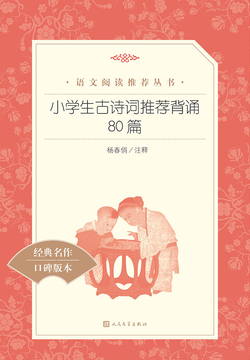
Recitation of Classical Chinese Poetry
Tags
Summary
Editor's review
Who it's for
A good fit for
- Primary and secondary school Chinese language teachers who need recitation teaching anthologies and text references
- Self-learners and enthusiasts who wish to begin classical poetry through reading aloud
- Parents who wish to read and recite classic poems together with their children
- Recitation and broadcasting practitioners who need classical poetry texts as training material
Not a good fit for
- Professional researchers who need detailed textual criticism and scholarly annotations
- Readers who wish to systematically study poetic prosody theory rather than recitation practice
- Readers who prefer only modern and contemporary literature and lack interest in classical poetry
Reading tips
- First read the section on the basic forms of shi and ci, then read selections in dynastic order to build a chronological framework.
- For each poem, recite aloud two or three times first, then read the vocabulary explanations and translation, and finally read again to experience the rhythm.
- Practice in three categories—jueju, lüshi, and ci—to compare recitation approaches for different forms.
- Select two or three poems each week for repeated recitation; this is more conducive to developing language sense than reading many poems at once.
Contents
- 版权信息
- 前 言
- 第一单元———先秦、汉魏、南北朝诗歌/span>
- 诗经·关雎
- 诗经·相鼠
- 诗经·木瓜
- 诗经·子衿
- 诗经·蒹葭
- 屈原·国殇
- 屈原·橘颂
- 荆轲·易水歌
- 刘邦·大风歌
- 项羽·垓下歌
- 古诗十九首·行行重行行
- 古诗十九首·迢迢牵牛星
- 汉乐府民歌·上邪
- 汉乐府民歌·江南可采莲
- 汉乐府民歌·青青园中葵
- 汉乐府民歌·陌上桑
- 曹操·步出夏门行·观沧海
- 曹操·步出夏门行·龟虽寿
- 曹操·短歌行
- 曹植·七步诗
- 北朝民歌·敕勒歌
- 北朝民歌·木兰诗
- 陶渊明·饮酒
- 陶渊明·归园田居·其一
- 陶渊明·归园田居·其三
- 第二单元———唐代诗歌
- 杨炯·从军行
- 王勃·送杜少府之任蜀川
- 贺知章·咏柳
- 贺知章·回乡偶书
- 张若虚·春江花月夜
- 陈子昂·登幽州台歌
- 张九龄·望月怀远
- 王翰·凉州词
- 王之涣·登鹳雀楼
- 王之涣·凉州词
- 孟浩然·临洞庭湖赠张丞相
- 孟浩然·春晓
- 孟浩然·过故人庄
- 王湾·次北固山下
- 王昌龄·从军行
- 王昌龄·出塞
- 王昌龄·芙蓉楼送辛渐
- 王维·相思
- 王维·终南别业
- 王维·山居秋暝
- 王维·使至塞上
- 王维·汉江临眺
- 王维·送元二使安西
- 王维·九月九日忆山东兄弟
- 李白·渡荆门送别
- 李白·静夜思
- 李白·送孟浩然之广陵
- 李白·客中作
- 李白·行路难
- 李白·将进酒
- 李白·赠汪伦
- 李白·望庐山瀑布
- 李白·早发白帝城
- 崔颢·黄鹤楼
- 高适·别董大
- 常建·题破山寺后禅院
- 刘长卿·逢雪宿芙蓉山主人
- 杜甫·望岳
- 杜甫·春望
- 杜甫·江南逢李龟年
- 杜甫·石壕吏
- 杜甫·茅屋为秋风所破歌
- 杜甫·春夜喜雨
- 杜甫·戏为六绝句·其二
- 杜甫·蜀相
- 杜甫·闻官军收河南河北
- 杜甫·绝句
- 杜甫·登高
- 杜甫·登岳阳楼
- 杜甫·旅夜书怀
- 岑参·白雪歌送武判官归京
- 张继·枫桥夜泊
- 韦应物·滁州西涧
- 卢纶·塞下曲·其二
- 卢纶·塞下曲·其三
- 孟郊·游子吟
- 孟郊·登科后
- 崔护·题都城南庄
- 韩愈·左迁至蓝关示侄孙湘
- 刘禹锡·乌衣巷
- 刘禹锡·竹枝词
- 刘禹锡·秋词
- 刘禹锡·浪淘沙
- 刘禹锡·再游玄都观
- 刘禹锡·酬乐天扬州初逢席上见赠
- 白居易·赋得古原草送别
- 白居易·长相思
- 白居易·卖炭翁
- 白居易·琵琶行(节选)
- 白居易·忆江南
- 李绅·悯农
- 柳宗元·江雪
- 元稹·离思
- 贾岛·题李凝幽居
- 贾岛·剑客
- 李贺·马诗·其五
- 李贺·雁门太守行
- 杜牧·清明
- 杜牧·过华清宫
- 杜牧·泊秦淮
- 杜牧·山行
- 杜牧·赤壁
- 杜牧·寄扬州韩绰判官
- 温庭筠·望江南·其二
- 李商隐·乐游原
- 李商隐·夜雨寄北
- 李商隐·无题·其一
- 李商隐·无题·其二
- 李商隐·锦瑟
- 韦庄·菩萨蛮·其二
- 黄巢·题菊花
- 黄巢·不第后赋菊
- 第三单元———宋代诗词
- 李煜·相见欢·其一
- 李煜·浪淘沙
- 李煜·虞美人
- 王禹偁·清明
- 林逋·长相思
- 林逋·山园小梅
- 范仲淹·苏幕遮
- 范仲淹·渔家傲(秋思)
- 柳永·蝶恋花
- 柳永·望海潮
- 柳永·雨霖铃
- 柳永·八声甘州
- 晏殊·浣溪沙
- 晏殊·蝶恋花
- 宋祁·玉楼春
- 欧阳修·踏莎行
- 欧阳修·生查子·元夕
- 王安石·登飞来峰
- 王安石·元日
- 王安石·泊船瓜洲
- 王安石·桂枝香·金陵怀古
- 程颢·秋日
- 王令·送春
- 李之仪·卜算子
- 苏轼·春宵
- 苏轼·饮湖上初晴后雨
- 苏轼·江城子·密州出猎
- 苏轼·江城子·乙卯正月二十日记梦
- 苏轼·水调歌头
- 苏轼·浣溪沙·游蕲水清泉寺
- 苏轼·定风波
- 苏轼·题西林壁
- 苏轼·念奴娇·赤壁怀古
- 苏轼·惠崇春江晚景
- 秦观·鹊桥仙
- 李清照·如梦令·其一
- 李清照·如梦令·其二
- 李清照·点绛唇
- 李清照·醉花阴
- 李清照·一剪梅
- 李清照·临江仙
- 李清照·乌江(夏日绝句)
- 李清照·渔家傲
- 李清照·声声慢
- 岳飞·满江红
- 陆游·钗头凤
- 陆游·游山西村
- 陆游·书愤
- 陆游·十一月四日风雨大作
- 陆游·卜算子·咏梅
- 陆游·示儿
- 杨万里·小池
- 杨万里·晓出净慈寺送林子方
- 卢梅坡·雪梅
- 僧志南·绝句
- 叶绍翁·游园不值
- 林升·题临安邸
- 朱熹·春日
- 朱熹·观书有感
- 辛弃疾·清平乐·村居
- 辛弃疾·西江月·夜行黄沙道中
- 辛弃疾·丑奴儿·书博山道中壁
- 辛弃疾·破阵子·为陈同甫赋壮词以寄之
- 辛弃疾·青玉案·元夕
- 辛弃疾·菩萨蛮·书江西造口壁
- 辛弃疾·南乡子·登京口北固亭有怀
- 辛弃疾·永遇乐·京口北固亭怀古
- 姜夔·扬州慢
- 赵师秀·约客
- 文天祥·过伶仃洋
- 第四单元———元明清诗词、元代小令
- 关汉卿·沉醉东风·送别
- 马致远·天净沙·秋思
- 张养浩·山坡羊·潼关怀古
- 王冕·墨梅
- 于谦·石灰吟
- 杨慎·临江仙
- 夏完淳·别云间
- 纳兰性德·长相思
- 郑板桥·潍县署中画竹呈年伯包大中丞括
- 郑板桥·竹石
- 曹雪芹·红楼梦·葬花吟
- 赵翼·论诗
- 龚自珍·己亥杂诗·其五
- 龚自珍·己亥杂诗·其一二五
FAQ
How many works does this book select, and what is the time span?
Does the book emphasize recitation or explanation?
Does the book introduce the basic forms of shi and ci?
Related on WeRead
Comments
Find this book
This site is an index: you start “Search all sources” in your browser, and the entries it lists all point to third-party sites; please judge their availability yourself.
About the author
Only limited public information is available about Zhang Han, who is known for three works: A Training Course in Speech and Vocalization for Broadcasting and Hosting (2nd Edition), A Handbook of Chinese Character Pronunciation for Announcers and Hosts, and Recitation of Classical Poetry. The works are commonly classified under language and writing and classical poetry. Judging from their titles, Zhang's writing is clearly oriented toward the practical use of spoken language: the first two address pronunciation standards and character reading for announcers and hosts, one as a course offering systematic vocal training and the other as a handbook sorting out easily mispronounced characters, both being reference works meant for consultation and use. Recitation of Classical Poetry turns to the practice of reciting classical verse, suggesting that beyond pronunciation the author also attends to the oral presentation of classical texts. Taken together, the three works show a focus on practicality and standardization, serving broadcasting and hosting professionals and learners as well as enthusiasts of classical poetry recitation, with plain language and formats convenient for reference and practice, offering some reference value in language education and recitation training.
