

Gurang Collection
Tags
Summary
Editor's review
Who it's for
A good fit for
- Ming historians, especially those focused on Emperor Yingzong, Tianshun politics, and Grand Secretariat operations
- Scholars and enthusiasts of classical Chinese texts and Siku studies
- Readers interested in Ming scholar-official epitaphs and biographical writing
- General readers who enjoy plain, refined classical prose
Not a good fit for
- General readers seeking light entertainment or modern fiction
- Readers with limited classical Chinese who prefer vernacular editions
Reading tips
- Read the memorials and Tianshun Rilu first to grasp Li Xian's political views and the Tianshun political context
- Compare the inscriptions and biographical accounts with relevant biographies in the History of Ming for mutual verification
- Read the poems, especially those matching Tao Yuanming, at leisure to appreciate their plain and refined style
- Note Cheng Minzheng's editorial arrangement as a window into Ming collected-works compilation and the role of in-law networks in transmission
Contents
- 版权信息
- 古穰集 上
- 提要
- 古穰集巻一
- 古穰集巻二
- 古穣集巻三
- 古穰集巻四
- 古穰集巻五
- 古穰集巻六
- 古穰集巻七
- 古穰集巻八
- 古穰集巻九
- 古穰集巻十
- 古穰集巻十一
- 古穰集巻十二
- 古穰集巻十三
- 古穰集巻十四
- 古穰集巻十五
- 古穰集 下
- 古穰集巻十六
- 古穰集巻十七
- 古穰集巻十八
- 古穰集巻十九
- 古穰集巻二十
- 古穰集巻二十一
- 古穰集巻二十二
- 古穰集巻二十三
- 古穰集巻二十四
- 古穰集巻二十五
- 古穰集巻二十六
- 古穰集巻二十七
- 古穰集巻二十八
- 古穰集巻二十九
- 古穰集巻三十
FAQ
What was Li Xian's position in Ming politics?
What kind of document is the Tianshun Rilu?
Why did the Siku editors say Li Xian 'did not focus on literature'?
Related on WeRead
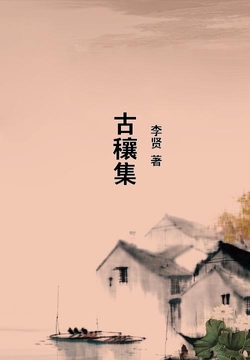 古穰集
 中国古代散文研究文献论丛
 明前期政治生态与士大夫主体意识研究(国家社科基金后期资助项目)
 域外汉籍研究集刊(第二十七辑)
 明代文学思想史(全二册):罗宗强文集
 中国科举制度通史(套装五卷共8册)
Comments
Find this book
This site is an index: you start “Search all sources” in your browser, and the entries it lists all point to third-party sites; please judge their availability yourself.
About the author
Li Xian (1408–1466), courtesy name Yuande, was a native of Dengzhou, Henan, and a prominent official and scholar of the Ming dynasty. A jinshi of the eighth year of the Xuande reign, he served successively as Vice Minister and Minister of Personnel, entered the Grand Secretariat, and rose to the offices of Junior Guardian and Grand Secretary of the Hall of Preserving Harmony, becoming the leading grand secretary during the Tianshun reign; he received the posthumous title Wenda. He compiled the Comprehensive Gazetteer of the Great Ming by imperial order, and his own writings include the Gu Rang Collection and the Tianshun Daily Records, together with miscellaneous notes that touch on court institutions and personal observations, offering reference material for the study of Ming politics and literati life. His works are often classified today under Eastern philosophy, history, and folk literature; public information is limited, and readers should consult the original texts.
