

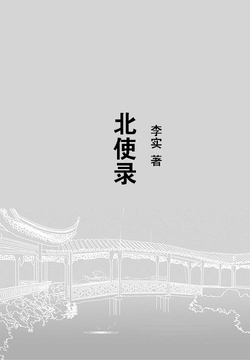
Record of a Northern Mission
Tags
Summary
Editor's review
Who it's for
A good fit for
- History and literature readers interested in Ming diplomatic missions and travel records
- History students who need mission literature as supplementary material
- Readers who enjoy ancient travel observations and records of geography and customs
- Enthusiasts interested in the historical background of north-south relations
Not a good fit for
- General fiction readers expecting vivid stories and literary description
- Beginners without historical background who want an easy introduction
- Researchers who need complete, systematic treatment of diplomatic history
Reading tips
- Learn the historical background and route of the mission first, then read in itinerary order to follow the record more easily.
- Mark place names, figures, and negotiation events as you go, then check them against maps or relevant histories afterward.
- Do not seek literary flair; focus on the envoy's observations and dealings, and keep brief reading notes.
- Read in segments when length permits, reviewing after each leg of the journey to avoid confusing details.
About the publisher
Nanhai Publication Company is a comprehensive publisher known for its literature and arts titles, covering fields such as classical poetry, martial arts fiction, and folk literature. Judging from the more than 1,600 books in the database, the company has released classical poetic works including the Nineteen Old Poems and the Nine Songs, as well as multiple volumes of Huanzhulouzhu's series The Swordsmen of Mount Shu, along with related writings by authors such as Guan Hanqing, Qu Yuan, Zuo Si, and Wang Zhihuan. Its publishing character lies in balancing the organization of classic texts with the dissemination of popular literature, placing poetry anthologies alongside long martial arts novels and presenting a relatively diverse literary profile. Public information is limited, and further details about its editorial practices and series planning remain to be supplemented.
Contents
- 版权信息
- 北使录
- 北使录
FAQ
What does Bei Shi Lu mainly record?
Is this book suitable as historical research material?
Will general readers find it dull?
What historical grounding is needed?
Related on WeRead
Comments
Find this book
This site is an index: you start “Search all sources” in your browser, and the entries it lists all point to third-party sites; please judge their availability yourself.
About the author
Li Shi — public information is limited. The library holds four works under this name, spanning finance and economics, folk literature, and literary appreciation. His representative works, The Income Distribution Effects of China's Tax System and The Evolution of Income Distribution in China over 40 Years, show a focus on the relationship between taxation and income distribution and on long-term changes in China's distribution patterns; the writing leans toward empirical analysis and institutional examination and addresses professional and policy-oriented readers. A further title, Beishi lu (recorded twice in the library), is classed under folk literature and literary appreciation, indicating engagement with documentary compilation and literary-historical materials in a different register from the economics works. As birth and death dates, nationality, education, and positions are unconfirmed, this note makes no inferences and presents only the cross-disciplinary profile suggested by the library's holdings: on one side, practical issues of income distribution and tax policy; on the other, the sorting and appreciation of traditional documents and literary works. Together they reflect a dual attention to institutions and texts.
