

Record of Lively Conversations
Tags
Summary
Editor's review
Who it's for
A good fit for
- General readers interested in Tang dynasty note-style fiction and anecdotes
- Beginners who wish to develop a feel for classical Chinese through short pieces
- History and literature enthusiasts studying Tang social customs who need corroborating material
- Casual readers who enjoy browsing at random without seeking systematic reading
Not a good fit for
- Readers expecting systematic philosophical exposition or a philosophical system
- Beginners needing modern vernacular translation and annotation for barrier-free reading
- Readers who prefer long, coherent narratives and complete plot structures
Reading tips
- First read the table of contents and select entries of interest; no need to read in order, three to five entries at a time is enough.
- Look up names and places in Tang historical sources as needed, using the notes as supplementary corroboration beyond the histories.
- Keep a pen to mark supernatural tales versus factual observations, distinguishing records of different natures.
- After finishing, compare with similar notes such as Youyang zazu to compare narrative interests and source preferences.
Contents
- 版权信息
- 剧谈录卷上
- 宣宗夜召翰林学士
- 王鲔活崔相公歌妓
- 御史滩
- 潘将军失珠
- 李邺侯救窦庭芝
- 续坤蹶马
- 龙待诏相笏丁重相于驸马附
- 孟才人善歌
- 袁相雪换金县令
- 郭鄩见穷鬼
- 裴晋公天津桥遇老人
- 狄惟谦请雨
- 王侍中题诗
- 道流相夏侯谯公
- 华山龙移湫
- 田膨郎偷玉枕
- 洛中大水
- 李朱崖知白令公
- 剧谈录卷下
- 刘相国宅
- 李相国宅
- 慈恩寺牡丹
- 管万敌遇壮士
- 张季宏逢恶新妇
- 玉蘂院眞人降
- 宰相布施
- 洛中豪士
- 老君庙画
FAQ
What does Jutan lu mainly record?
Can I read this book without a foundation in classical Chinese?
Is this book suitable for reading through or for selected reading?
Related on WeRead
 剧谈录
 我不是娱记:100位人物访谈录(音乐篇和戏剧篇)
 金牌编剧:美剧编剧访谈录/创意写作书系
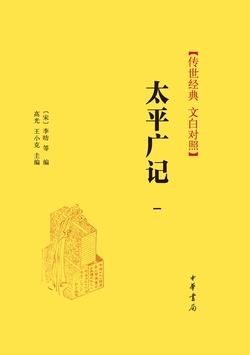 太平广记(精)--传世经典 文白对照(全12册)
 佩文韵府
 太平广记
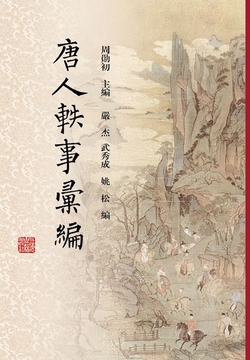 唐人轶事彙编
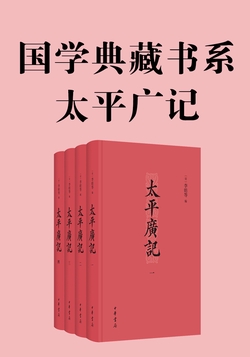 国学典藏书系:太平广记
Comments
Find this book
This site is an index: you start “Search all sources” in your browser, and the entries it lists all point to third-party sites; please judge their availability yourself.
About the author
Kang Pian's life is now difficult to verify, and publicly available information about him is limited. Extant sources attribute to him a single work, Jutan Lu (A Record of Conversations), which is often classified under Eastern philosophy. The book belongs to the tradition of biji, or miscellaneous notes, and records anecdotes from court and society, the words and deeds of notable figures, and institutional and historical matters, mostly from the Tang and Five Dynasties, while also touching on karmic retribution and tales of immortals and strange happenings. Its style is concise and its narrative clear, giving it value as historical reference while reflecting the intellectual interests and values of scholars of the time. Because the author's biography is unknown, later discussion of him and his book has focused on the text and its sources rather than on his life. Reading Jutan Lu offers a glimpse of the style of Tang-Song biji writing and of the social customs and worldview of the period.
