

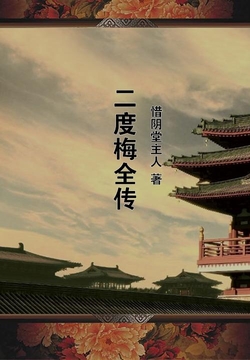
The Complete Story of the Plum's Second Bloom
Tags
Summary
Editor's review
Who it's for
A good fit for
- Ordinary readers who enjoy the scholar-and-beauty theme and want to understand Ming-Qing popular fiction
- Readers interested in traditional ethics of loyalty, filial piety, chastity, and righteousness and in family stories
- Teachers and students who need a classical novel text as teaching or reading material
- Literature lovers willing to accept a mix of classical and vernacular language and to read slowly and carefully
Not a good fit for
- Readers who prefer modern vernacular and fast-paced reading
- Researchers seeking rigorous academic collation and textual criticism
- Readers sensitive to traditional moralizing plots
Reading tips
- First read through the main plot and clarify the relationships among characters, then revisit the dialogue and details at key turning points.
- Look up rare characters and words as needed; do not try to memorize them—prioritize continuity of reading.
- After finishing, compare it with common conventions of Ming-Qing scholar-and-beauty novels to appreciate both its inheritance and its variations.
- If used for a reading group, discussion can center on the characters' choices in adversity.
About the publisher
Beijing Huiju Wenyuan Cultural Development Co., Ltd. is a cultural institution focused on publishing traditional Chinese classics. Public information about the company is limited, and its publishing profile is mainly reflected in the 83 books in the database. Judging from its representative titles, the company attends to classics across the traditional Four Categories of Chinese literature. The Lotus Sutra relates to Buddhist literature; Comprehensive Institutions, A Record of Reading in the Prefectural Studio, and The Meaning of Textual Criticism are works of history and bibliography; New Songs from the Jade Terrace is a literary anthology; Agricultural Administration in Its Entirety concerns agricultural policy and practice; and Annotations to the Gongyang Commentary on the Spring and Autumn Annals and Discourse on the Song Dynasty reflect the directions of classical scholarship and historical commentary. Its authors include Du You, Chao Gongwu, Xu Ling, Xu Guangqi, He Xiu, Zhang Xuecheng, and Wang Fuzhi, as well as anonymous works. Its common categories center on classic works, social sciences, Eastern philosophy, literary appreciation, and philosophical reading, indicating a publishing orientation characterized by the organization of traditional scholarly primary texts and the promotion of traditional cultural reading.
Contents
- 版权信息
- 第一回 老忠良衙斋自叹圣天子钦召梅公
- 第二回 闻王命忠臣训子 为升迁诰命劝夫
- 第三回 众黎民哭留青天 贤县主慰劳赤子
- 第四回 梅公路途遇头接 见奢华规戒来人
- 第五回 谒东阁险遭不测 拜都院误触良朋
- 第六回 天子命朝臣庆寿 卢杞着黄嵩陪宾
- 第七回 奸臣暗中施巧计 忠良反受行刑罪
- 第八回 传假旨捉拿全家 透真情放脱母子
- 第九回 假钦差吓诈财宝 陈知府受惊嘱托
- 第十回 梅公子仪征投亲 侯知县罪加假婿
- 第十一回 哭穷途公子捐生 救颠危禅僧仗义
- 第十二回 扮书童暂时避难 识年伯暗里悲伤
- 第十三回 赏梅花陡思同年 降风雨忽想云游
- 第十四回 拜求神圣因留父 上天垂象念孤儿
- 第十五回 梅开二度乃千古佳话 花园联诗实万载奇逢
- 第十六回 眼识英贤怜友念故交 心结丝梦惜旧遭奸变
- 第十七回 选民女百姓惊惶 认兄妹家庭痛哭
- 第十八回 赶路途民夫忿恨 到重台兄妹沾襟
- 第十九回 雁门关夫妻哭别 苏武庙主仆叹忠
- 第二十回 落雁崖烈女殉节 众鞑靼剑吓佳人
- 第二十一回 真容投落飞崖下 假扮贵人和番邦
- 第二十二回 昭君显圣送贞节 云英降香逢杏元
- 第二十三回 撞巡更梅生改姓 遇门生冯公荐友
- 第二十四回 路无人春生投水 渔有缘玉姐联烟
- 第二十五回 江公子爱色抢玉姐 众渔人发怒骂江魁
- 第二十六回 陈春生当街喊状 邱军门勘问如雄
- 第二十七回 渔婆被吓透消息 军门怜才收东床
- 第二十八回 梅夫人后堂观审 陈公子异地逢亲
- 第二十九回 梅夫人有心为月老 邱老娘无意得螟蛉
- 第三十回 失金钗梅公子得病 睹旧物陈小姐思夫
- 第三十一回 重台赠钗忽睹得病 无奈只得吐露衷肠
- 第三十二回 巧丫环吟诗探心病 老夫人设席庆奇逢
- 第三十三回 昭君送杏元联姻 邹公回府知根由
- 第三十四回 穆朵会试游泮水 春生赴考上长安
- 第三十五回 骂礼部邱魁却婚 陷榜眼黄嵩设计
- 第三十六回 众举子午门殴打 圣天子金殿问供
- 第三十七回 三法司奉旨审奸 两奸贼法场受刑
- 第三十八回 雪沉冤封官赐爵 代巡狩削佞除奸
- 第三十九回 显亲扬名巡按谒墓 升官立后状元报恩
- 第四十回 赐完婚洞房花烛 大家封恩赐团圆
FAQ
Is this book suitable for readers with no foundation in classical fiction?
What aspects should I focus on while reading?
Does preserving the original appearance mean there are no annotations?
Related on WeRead



Comments
Find this book
This site is an index: you start “Search all sources” in your browser, and the entries it lists all point to third-party sites; please judge their availability yourself.
About the author
Xiyintang Zhuren is an authorial name taken from a studio hall (tanghao) in the field of Ming and Qing vernacular fiction; the writer's real name, native place, and dates of birth and death are not clearly recorded, and publicly available information is limited. Judging from the ten works held in the collection, the author's output centers on the compilation of classical literature and the writing of vernacular fiction. Representative works include Er Du Mei (The Second Plum Blossom) together with its full-length sequel and various divided and Qing-dynasty vernacular editions, as well as a forty-volume collection of classical literary works. These titles are generally classified under classical literature, classic works, and social fiction, with tags also touching on Eastern philosophy and time-travel alternate history, suggesting a diverse range of subjects. Er Du Mei, which traces the joys and sorrows of a talented scholar and a beautiful maiden, features a twisting plot and plain, accessible language; it was one of the more widely circulated Qing vernacular novels, and it is through this work that the name Xiyintang Zhuren is known to later readers.
