

First Record of a Journey East
Tags
Summary
Editor's review
Who it's for
A good fit for
- Scholars researching late Qing Sino-Korean relations and trade with Korea
- Military history readers interested in the early activities and vessel configuration of the Beiyang Fleet
- Readers interested in the procedures of modern diplomatic treaty-making and the protocol of missions
- Readers who enjoy classical narrative travel records and are willing to read historical sources closely
Not a good fit for
- General readers expecting light narrative or literary travelogues
- Beginners lacking the patience for classical Chinese and unwilling to look up background
Reading tips
- First review the historical background of Korea's treaty with the United States in the eighth year of Guangxu, then enter the text.
- Read in sequence with Eastward Journey, Continued to connect the origins of the mission with the later journey.
- Note the names of the Weiyuan, Yangwei, and Zhenhai and of figures such as Ding Yuting and Seward; brief notes on persons and ships may help.
About the publisher
Nanhai Publication Company is a comprehensive publisher known for its literature and arts titles, covering fields such as classical poetry, martial arts fiction, and folk literature. Judging from the more than 1,600 books in the database, the company has released classical poetic works including the Nineteen Old Poems and the Nine Songs, as well as multiple volumes of Huanzhulouzhu's series The Swordsmen of Mount Shu, along with related writings by authors such as Guan Hanqing, Qu Yuan, Zuo Si, and Wang Zhihuan. Its publishing character lies in balancing the organization of classic texts with the dissemination of popular literature, placing poetry anthologies alongside long martial arts novels and presenting a relatively diverse literary profile. Public information is limited, and further details about its editorial practices and series planning remain to be supplemented.
Contents
- 版权信息
- 东行初录
FAQ
What event does First Record of the Eastward Journey describe?
What is the historical value of this book?
Which of the two books should be read first?
Related on WeRead
 东行初录
 中国学术名著提要(合订本)第五卷 清代编(上、下)
 书的命名
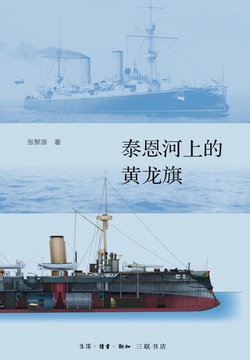 泰恩河上的黄龙旗:阿姆斯特朗公司与中国近代海军
 日本社会变迁研究:纪念中国日本史学会成立四十周年论文拔萃(第二卷)
 朝鲜燕行使与朝鲜通信使
Comments
Find this book
This site is an index: you start “Search all sources” in your browser, and the entries it lists all point to third-party sites; please judge their availability yourself.
About the author
Ma Jianzhong was an important Chinese linguist and writer of the modern period. Public information about him is limited, and no systematic record of his birth and death years, native place, or biographical details is available. Judging from the five works collected here, his writing spans two fields: linguistics and travel literature. Ma shi wen tong (The Grammar of Mr. Ma), his representative work, is a foundational text of Chinese grammar. Building on traditional philological materials, it systematically examines classical Chinese function words and syntax, and its influence on later Chinese grammatical research has been profound; it remains an important reference for the study of classical Chinese. The Dongxing chu lu, Dongxing xu lu, Dongxing san lu, and the collected Dongxing lu are travel accounts that record what he saw and felt on his journey east. Their style is plain and attentive to direct observation, giving them value both as historical sources and as literature. The works are classified on this site under classic works and folk literature, suggesting that readers regard them both as traditional scholarly texts and as readable narrative writing.
