

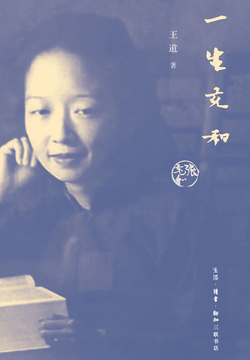
A Life of Chonghe
Tags
Summary
Editor's review
In terms of reading value, the book has at least three highlights: first, it fully traces Zhang Chonghe's life from the fourth young lady of the Zhang family in Jiuru Lane, Suzhou, to a calligrapher and kunqu artist revered in overseas sinological circles, and her anecdotes with cultural figures such as Shen Congwen and Bian Zhilin are rich in historical and human interest; second, it carefully depicts how traditional culture (especially calligraphy and kunqu) nourished a person's spirit and became the foundation of a settled life amid the currents of the times—a profound inspiration for contemporary readers; third, the prose is elegant and restrained, in perfect accord with the subject's temperament, so that reading itself becomes an aesthetic experience. Publication by SDX Joint Publishing Company ensures authority of content and editorial quality. This is no mere listing of life events but a deep conversation with a beautiful soul, worthy of quiet and attentive reading.
Who it's for
A good fit for
- Readers interested in Republican-era literary families and cultural history.
- Enthusiasts of traditional Chinese culture, especially calligraphy and kunqu.
- Modern readers seeking inner calm and spiritual nourishment in a complicated world.
- Readers who enjoy beautifully written biographies rich in detail.
Not a good fit for
- Readers expecting strong dramatic conflict or sensational gossip.
- Readers entirely unfamiliar with and uninterested in traditional cultural contexts.
Reading tips
- Read chapter by chapter in order, following the timeline to experience the changing times and personal choices.
- Pay attention to the calligraphy works, kunqu pieces, and poems mentioned in the book; consulting related materials while reading enriches the experience.
- After the main text, read the chronology and list of works in the appendices, which help build a fuller picture.
About the publisher
SDX Joint Publishing Company (Shenghuo Dushu Xinzhi Sanlian Shudian) is a publisher known for humanistic reading and the spread of ideas, with a name that links life, reading, and new knowledge. As for its holdings in this database, public information is limited: only one title is currently listed, Wang Dao's Yi Sheng Chong He (A Life of Chonghe), classified under general biography. This suggests that the publisher leans toward biography and humanistic documentary writing, using individual life stories to reflect an era and its culture, and that it relies on authors capable of such documentary work. Its distinctiveness lies less in the number of titles than in well-chosen subjects that carry reading value, giving biographical works both documentary substance and readability while continuing the humanistic character associated with Sanlian.
Contents
- 版权信息
- 第一章 合肥:永远的龙门巷
- 公馆时光
- 寂寞梧桐
- 古佛识真如
- 永远的龙门巷
- 第二章 苏州:倚舷低唱牡丹亭
- 梦里不知身是客
- 同聚同欢不易逢
- 慈父如母念亲恩
- 赏心乐事谁家院
- 东阁无忧
- 第三章 上海:海上音信
- 中学
- 济慈
- 海上信
- 海上音
- 萍聚
- 四阿姨
- 第四章 青岛:病余随笔
- 海向我笑
- 病余随笔
- 海上仙山
- 昆音袅袅
- 为宗和定亲
- 第五章 昆明:云龙庵往事
- 四小姐到呈贡
- 小坐蒲团听落花
- 四姐的秘密
- 唱酬
- 诗人陶光
- 第六章 重庆:无愁即是谪仙人
- 殇折
- 刺虎
- 仕女图
- 将归
- 第七章 北平:沈宅姻缘
- 沈宅姻缘
- 如禅默坐到斜阳
- 暂别真成隔世游
- 归去来兮
- 第八章 美国:走出仕女图
- 加州
- 昆曲
- 和以致福
- 不因人瘦咏黄花
- 贪听人间曲
- 小园
- 一生爱好是天然
- 汉思
- 附:沈二哥在美国东部的琐琐
- 第九章 京都:木器之菊
- 旧事与古物
- 望乡
- 第十章 贵阳:白头他日定重逢
- 见信如晤
- 对望
- 梦里依稀阿姐泪
- 白头他日定重逢
- 尾声 为惜流光挽夕阳
- 我什么事都经过
- 一百零二岁了
- 归梦蓼花红
- 附录一 张充和个人年谱简编
- 附录二 张充和在北美大学里演唱昆曲(1953—1979)
- 附录三 张充和诗词题目录
- 后 记
FAQ
How is this book different from other books about Zhang Chonghe on the market?
Do I need a lot of historical background to understand it?
What is the book mainly about—artistic achievements or life story?
Related on WeRead
Comments
Find this book
This site is an index: you start “Search all sources” in your browser, and the entries it lists all point to third-party sites; please judge their availability yourself.
About the author
Information about Wang Dao is limited in publicly available sources. What is currently known is that two works by this author, A Life of Chonghe and The Way of Reading, have appeared, both falling into the categories of biography and miscellaneous essays. Judging from these works, the author pays attention to people's lives and to the reading life, writing in a style that combines documentary record with the personal essay: when writing about people, the author attends to the arc of a life and the accumulation of detail, allowing the subject's experiences and inner world to emerge naturally; when discussing reading, the author starts from personal reading experience and touches on the connections between books and everyday life, in plain rather than superficial prose. Though the two works differ in subject, together they reflect a sustained interest in human affairs and books. Because the author's native place, life history, and writing background have not yet been clearly recorded, the full scope and influence of this author's work await further documentation.
