

Musical Instruments
Tags
Summary
Editor's review
Who it's for
A good fit for
- Readers interested in instrument history and the material culture of music
- Musicology students seeking a nineteenth-century documentary sample of instrument research
- Natural-history enthusiasts who enjoy understanding instruments through classification and form
- Readers with some English reading ability willing to take comparative notes
Not a good fit for
- Beginners hoping to learn instrument performance methods or techniques
- Practical readers seeking contemporary acoustic data and authoritative conclusions
- Readers who prefer light introductory books and avoid academic description
Reading tips
- Read the table of contents first to grasp the classification framework, then select chapters on instruments you know for comparison.
- Keep a modern instrument guide or encyclopedia at hand to check terminology and differences in form as you read.
- Excerpt key classification passages and note where nineteenth-century views differ from today's consensus.
- Read the English original chapter by chapter; for archaic terms, infer from context first, then verify.
About the publisher
Project Gutenberg is a digital publishing project focused on public-domain ebooks. Its publishing direction centers on classic literary works whose copyright has expired, covering genres such as poetry, drama, fiction, and epic. Representative books include Lyrical Ballads by Wordsworth and Coleridge, Proust's Du côté de chez Swann, Shakespeare's Macbeth and The Complete Works of William Shakespeare, Homer's The Iliad, Dante's La Divina Comèdia: Purgatòri, Cervantes's The History of Don Quixote, Volume 2, and Grahame's The Wind in the Willows. Its author resources consist mainly of classic Western writers such as Wordsworth, Proust, Shakespeare, Homer, Dante, Cervantes, Grahame, and Tolstoy. Its publishing feature is the provision of freely accessible ebooks in EPUB and Kindle formats; it is not a traditional publisher, and publicly available information is limited.
Contents
- 1
- 2
- 3
- 4
- 5
- 6
- 7
- 8
- 9
- 10
- 11
- 12
- 13
- 14
- 15
- 16
- 17
- 18
- 19
- 20
FAQ
Is this book suitable for learning to play an instrument?
Do nineteenth-century works on instruments still have reading value today?
What should I note when reading the public-domain e-book edition?
Related on WeRead
 The History of Musical Instruments (Dover Books on Music)
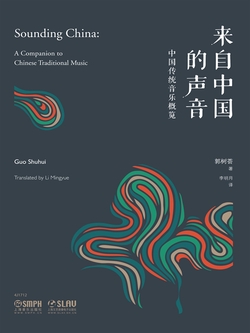 来自中国的声音——中国传统音乐概览
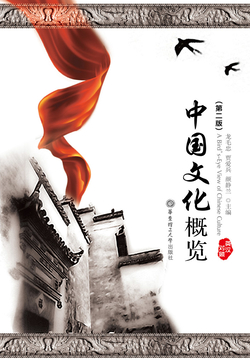 中国文化概览(英汉对照)(第二版)
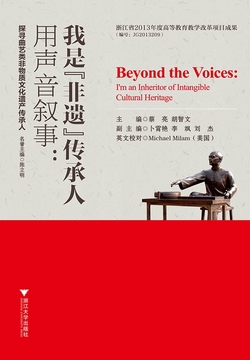 用声音叙事:我是“非遗”传承人
 跨学科视域下的音乐文化
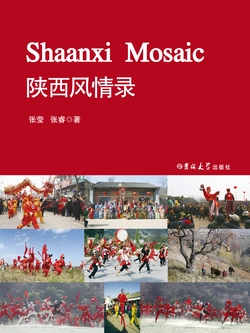 陕西风情录=Shaanxi Mosaic:英文
Comments
Find this book
This site is an index: you start “Search all sources” in your browser, and the entries it lists all point to third-party sites; please judge their availability yourself.
About the author
Carl Engel (1818–1882) was a nineteenth-century writer on music and a student of musical instruments. Public information about his life is limited: the exact dates of his birth and death and his nationality are not recorded in the available holdings. Three works are confirmed, namely the first and second volumes of Musical Myths and Facts and Musical Instruments. Judging from these titles, his interests centred on musical history and organology. The two volumes of Musical Myths and Facts juxtapose widely circulated anecdotes and legends with verifiable facts, combining the breadth of a note-taker with the caution of a researcher, and are suited to general readers and music lovers; Musical Instruments turns to the instruments themselves, describing their construction, capabilities and historical development. These books have long served as accessible English-language references on musical lore and instrumental knowledge.
