

Ivanhoe
Tags
Summary
Editor's review
Who it's for
A good fit for
- General readers who enjoy historical fiction and chivalric romance set in the Middle Ages
- Language learners of Dutch who want to expand their reading through a long novel
- Literature scholars studying the transmission and translated editions of Scott's works
- Those interested in the nineteenth-century historical novel tradition and narrative techniques
Not a good fit for
- Readers seeking the original English or a Chinese translation
- Readers who prefer fast-paced, highly suspenseful or modern urban fiction
- Readers unfamiliar with medieval history who do not wish to fill in the background
Reading tips
- First learn about English society after the Norman Conquest, then enter the plot; the relationships will be clearer.
- List the main characters and their factions while reading to avoid losing the thread amid titles and family ties.
- Treat tournaments, feasts and conflicts as entry points to the atmosphere of the era rather than rushing for plot speed.
- For language study, read a fixed number of pages daily, mark new words and set expressions, and retell the gist of each passage afterward.
About the publisher
Project Gutenberg is a digital publishing project focused on public-domain ebooks. Its publishing direction centers on classic literary works whose copyright has expired, covering genres such as poetry, drama, fiction, and epic. Representative books include Lyrical Ballads by Wordsworth and Coleridge, Proust's Du côté de chez Swann, Shakespeare's Macbeth and The Complete Works of William Shakespeare, Homer's The Iliad, Dante's La Divina Comèdia: Purgatòri, Cervantes's The History of Don Quixote, Volume 2, and Grahame's The Wind in the Willows. Its author resources consist mainly of classic Western writers such as Wordsworth, Proust, Shakespeare, Homer, Dante, Cervantes, Grahame, and Tolstoy. Its publishing feature is the provision of freely accessible ebooks in EPUB and Kindle formats; it is not a traditional publisher, and publicly available information is limited.
Contents
- 1
- 2
- 3
- 4
- 5
- 6
- 7
- 8
- 9
- 10
- 11
- 12
- 13
- 14
- 15
- 16
- 17
- 18
- 19
- 20
- 21
- 22
- 23
- 24
- 25
- 26
- 27
- 28
- 29
- 30
- 31
- 32
- 33
- 34
- 35
- 36
- 37
- 38
- 39
- 40
- 41
- 42
- 43
- 44
- 45
- 46
- 47
- 48
- 49
- 50
- 51
- 52
- 53
- 54
- 55
- 56
- 57
- 58
- 59
- 60
- 61
- 62
- 63
- 64
- 65
- 66
- 67
- 68
- 69
- 70
- 71
- 72
- 73
- 74
- 75
- 76
- 77
- 78
- 79
- 80
- 81
- 82
- 83
- 84
- 85
- 86
- 87
- 88
- 89
- 90
- 91
- 92
- 93
- 94
- 95
- 96
- 97
- 98
- 99
- 100
- 101
- 102
- 103
- 104
- 105
- 106
- 107
- 108
- 109
- 110
- 111
FAQ
What language is this edition in?
Can I understand it without a background in medieval history?
Is this book suitable for language learners?
What should I focus on most while reading?
Related on WeRead
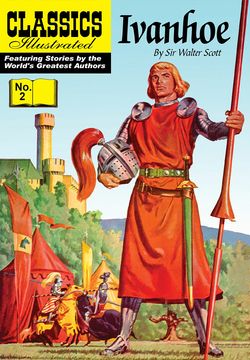 Ivanhoe
 Burlesques
 刘意青《简明英国文学史》配套题库【课后习题+章节题库(含名校考研真题)+模拟试题】
 天地不仁:中国古典哲学中恶的问题
 程序诗学视阈下英国历史小说文类的发展与嬗变
 英国语文(英文原版)(第5册)
Comments
Find this book
This site is an index: you start “Search all sources” in your browser, and the entries it lists all point to third-party sites; please judge their availability yourself.
About the author
Walter Scott (Scott, Walter, 1771-1832) was a British writer known for his historical novels and narrative poetry. The library holds 94 of his works, including the representative Ivanhoe and Waverley Or ‘Tis Sixty Years Since — Complete, as well as The Heart of Mid-Lothian, Volume 2. His historical novels often draw on the history of Scotland and England, weaving real historical events into the fates of fictional characters, with unhurried plotting and vivid characterization; they exercised a profound influence on the development of the European historical novel. Ivanhoe, set in medieval England, is among his most widely read works. Publicly available information on his nationality, dates of birth and death, and other biographical details is limited, so no speculation is offered here.
